
Del i serien Key Themes in Ancient History
Death-Ritual and Social Structure in Classical Antiquity
Häftad, Engelska, 1992
699 kr
Beställningsvara. Skickas inom 5-8 vardagar. Fri frakt för medlemmar vid köp för minst 249 kr.
In this innovative book Dr Morris seeks to show the many ways in which the excavated remains of burials can and should be a major source of evidence for social historians of the ancient Graeco-Roman world. Burials have a far wider geographical and social range than the surviving literary texts, which were mainly written for a small elite. They provide us with unique insights into how Greeks and Romans constituted and interpreted their own communities. In particular, burials enable the historian to study social change. Ian Morris illustrates the great potential of the material in these respects with examples drawn from societies as diverse in time, space and political context as archaic Rhodes, classical Athens, early imperial Rome and the last days of the western Roman empire.
Produktinformation
- Utgivningsdatum1992-10-22
- Mått153 x 228 x 24 mm
- Vikt419 g
- FormatHäftad
- SpråkEngelska
- SerieKey Themes in Ancient History
- Antal sidor288
- FörlagCambridge University Press
- ISBN9780521376112
Tillhör följande kategorier
Hoppa över listan



Mer från samma författare
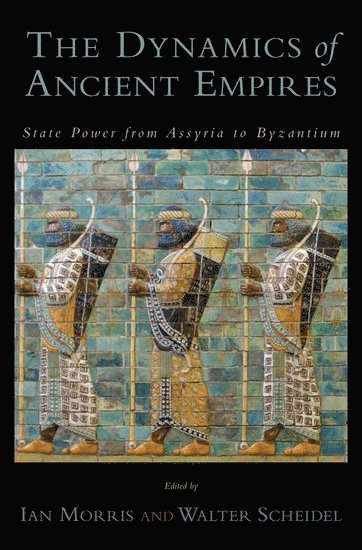
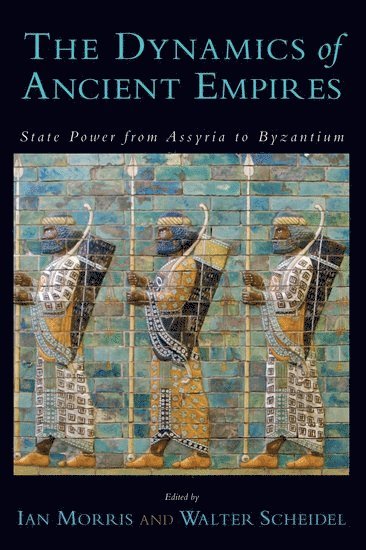
The Dynamics of Ancient Empires
Ian Morris, Walter Scheidel, Ian Morris, Walter Scheidel
Inbunden, 2009
3 079 kr
Hoppa över listan
Du kanske också är intresserad av
Literacy and Orality in Ancient Greece
Rosalind Thomas, P. A. Cartledge, P. D. A. Garnsey
Häftad, 1992
699 kr
Law, Violence, and Community in Classical Athens
David Cohen, P. A. Cartledge, P. D. A. Garnsey
Häftad, 1995
639 kr
Food and Society in Classical Antiquity
Peter Garnsey, P. A. Cartledge, P. D. A. Garnsey
Häftad, 1999
749 kr