
Data-Based Mechanistic Modelling, Forecasting and Control
The Art and Craft
Inbunden, Engelska, 2026
1 569 kr
Kommande
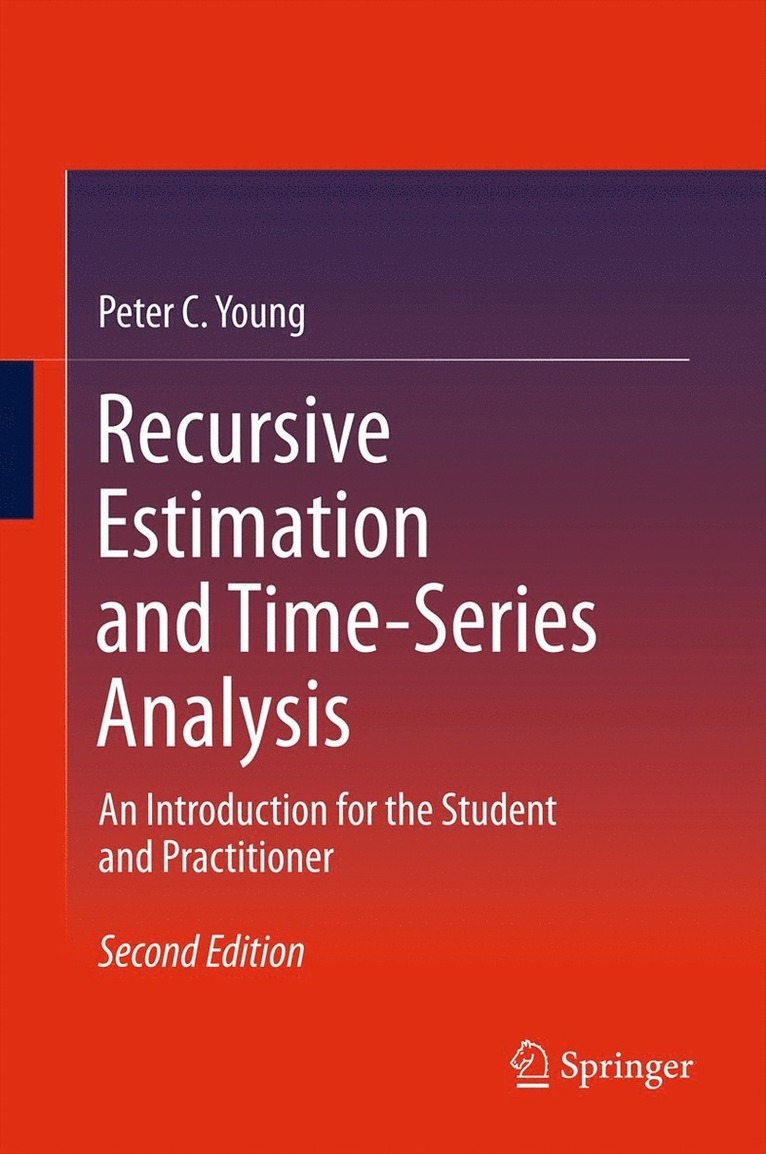
This book builds on the methods introduced in the author’s previous Springer book Recursive Estimation and Time-Series Analysis to deliver a powerful and practical framework for Data-Based Mechanistic (DBM) modelling directly from time-series data. DBM modelling produces interpretable continuous-time transfer function models, allowing the underlying linear or nonlinear differential equations to be understood in clear physical terms closely tied to the real dynamics behind the data. All modelling tools are freely available in dedicated toolboxes for MATLAB, including advanced modules for forecasting and control based on DBM models. The four application chapters provide an in-depth perspective on DBM modelling, while a separate tutorial appendix offers a guided, step-by-step introduction to the complete DBM workflow using accessible hydrological examples. These methodological foundations are then illustrated by their application in three major areas of topical importance: global climate dynamics, the COVID-19 epidemic, and investment–unemployment interactions in the USA. This book also shows how large-scale simulation models can be distilled into compact, transparent DBM representations, and how these small 'emulation’ models can deliver physical insight, reliable forecasting, and effective control (management) strategies. Blending rigorous estimation theory, real-world relevance, and fully reproducible tools, this book offers a unique bridge between advanced data-based modelling and today’s most pressing dynamical problems.
Produktinformation
- Utgivningsdatum2026-10-28
- Mått155 x 235 x undefined mm
- FormatInbunden
- SpråkEngelska
- Antal sidor470
- FörlagSpringer Nature Switzerland AG
- ISBN9783032239280
Tillhör följande kategorier
Hoppa över listan

Mer från samma författare
Impact of Climate Change and Sustainability Standards on the Insurance Market
Kiran Sood, Simon Grima, Peter C. Young, Ercan Ozen, Balamurugan Balusamy
Inbunden, 2023
3 199 kr
Del 4
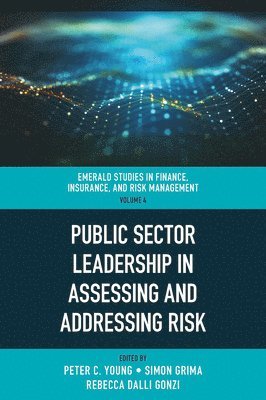
Public Sector Leadership in Assessing and Addressing Risk
Peter C. Young, Simon Grima, Rebecca E. Dalli Gonzi
Inbunden, 2022
1 389 kr
Hoppa över listan

Du kanske också är intresserad av
Del 4
Public Sector Leadership in Assessing and Addressing Risk
Peter C. Young, Simon Grima, Rebecca E. Dalli Gonzi
Inbunden, 2022
1 389 kr
Impact of Climate Change and Sustainability Standards on the Insurance Market
Kiran Sood, Simon Grima, Peter C. Young, Ercan Ozen, Balamurugan Balusamy
Inbunden, 2023
3 199 kr
- Nyhet
Del 3
- Nyhet
Del 11