
Del i serien Children's Literature and Culture
Cyborg Saints
Religion and Posthumanism in Middle Grade and Young Adult Fiction
Inbunden, Engelska, 2019
3 959 kr
Beställningsvara. Skickas inom 10-15 vardagar. Fri frakt för medlemmar vid köp för minst 249 kr.
Finns i fler format (1)
Saints are currently undergoing a resurrection in middle grade and young adult fiction, as recent prominent novels by Socorro Acioli, Julie Berry, Adam Gidwitz, Rachel Hartman, Merrie Haskell, Gene Luen Yang, and others demonstrate. Cyborg Saints: Religion and Posthumanism in Middle Grade and Young Adult Fiction makes the radical claim that these holy medieval figures are actually the new cyborgs in that they dethrone the autonomous subject of humanist modernity. While young people navigate political and personal forces, as well as technologies, that threaten to fragment and thingify them, saints show that agency is still possible outside of the humanist construct of subjectivity. The saints of these neomedievalist novels, through living a life vulnerable to the other, attain a distributed agency that accomplishes miracles through bodies and places and things (relics, icons, pilgrimage sites, and ultimately the hagiographic text and its reader) spread across time. Cyborg Saints analyzes MG and YA fiction through the triple lens of posthumanism, neomedievalism, and postsecularism. Cyborg Saints charts new ground in joining religion and posthumanism to represent the creativity and diversity of young people’s fiction.
Produktinformation
- Utgivningsdatum2019-09-10
- Mått152 x 229 x 19 mm
- Vikt453 g
- FormatInbunden
- SpråkEngelska
- SerieChildren's Literature and Culture
- Antal sidor252
- FörlagTaylor & Francis Ltd
- ISBN9780367193164
Tillhör följande kategorier
Hoppa över listan
Mer från samma serie
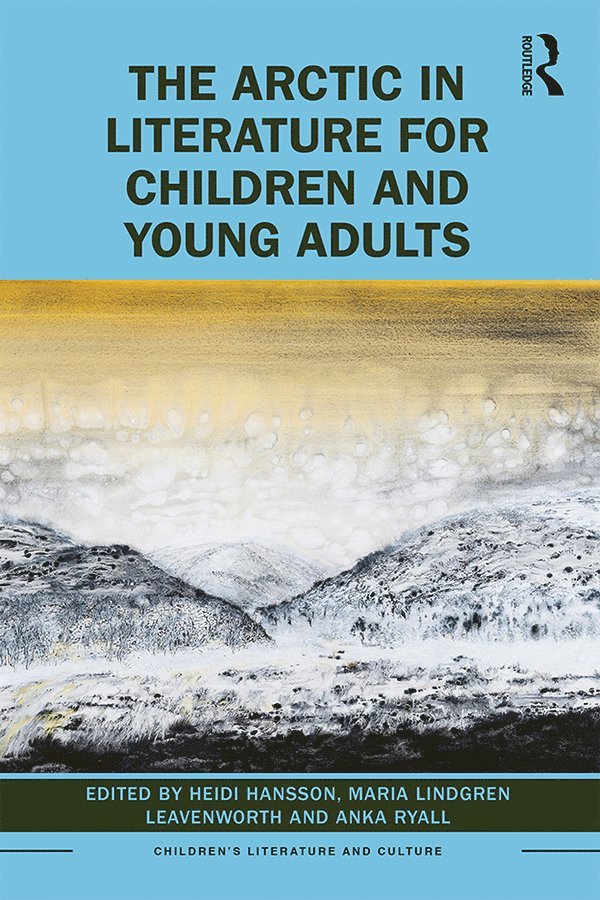
Arctic in Literature for Children and Young Adults
Heidi Hansson, Maria Leavenworth, Anka Ryall
Inbunden, 2020
3 629 kr
