
Del i serien Interdisciplinary Research in Gender
Cultural Production and the Politics of Women’s Work in American Literature and Film
Inbunden, Engelska, 2019
3 739 kr
Beställningsvara. Skickas inom 10-15 vardagar. Fri frakt för medlemmar vid köp för minst 249 kr.
Finns i fler format (1)
Cultural Production and the Politics of Women’s Work in American Literature and Film emphasizes the interrelation among women’s workplace roles, modes of authorship, and processes of subject-formation, pointing to some of the reasons for the persistence of limiting gender roles and occupational hierarchies that arose during the first 60 years of the 20th century.The book interrogates three common narratives: The rise of Fordism as a "masculine" mode of production and the transition to an era of "feminized" work; women’s liberation through the sexual revolutions; and the rise of a new form of literary authorship. Conversely, it suggests that women’s labor was integral to the operations of the Fordist business sphere, where, unlike at the factory, the white-collar office proletarian work was casualized and feminized. This book argues that this workplace was an important site of subject formation, affirming dominant ideologies through economic practices. Analyzing work by Sinclair Lewis, Nella Larsen, Anita Loos, and Sylvia Plath, the book presents an alternative history of American modernism, one that is more attuned to gendered discourses of labor and class. By looking at the micropolitics of power within cultural institutions, this study moves beyond the dichotomies of exclusion/inclusion to interrogate the terms on which women and minorities worked as producers, and the ideas and experiences that consequently entered the field of intelligibility.
Produktinformation
- Utgivningsdatum2019-01-29
- Mått156 x 234 x 22 mm
- Vikt540 g
- FormatInbunden
- SpråkEngelska
- SerieInterdisciplinary Research in Gender
- Antal sidor198
- FörlagTaylor & Francis Ltd
- ISBN9781138327269
Tillhör följande kategorier
Hoppa över listan

Mer från samma serie
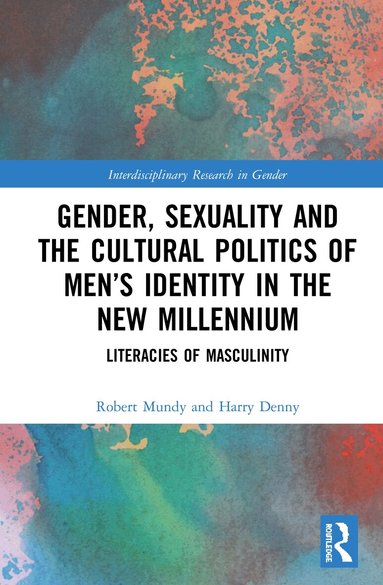
Gender, Sexuality, and the Cultural Politics of Men’s Identity
Robert Mundy, Harry Denny
Inbunden, 2019
3 279 kr
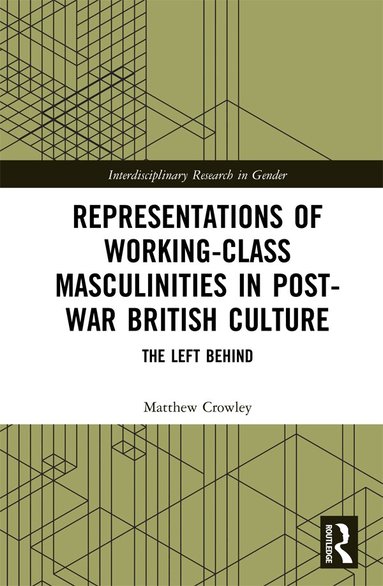
Representations of Working-Class Masculinities in Post-War British Culture
Matthew Crowley
Inbunden, 2020
3 279 kr
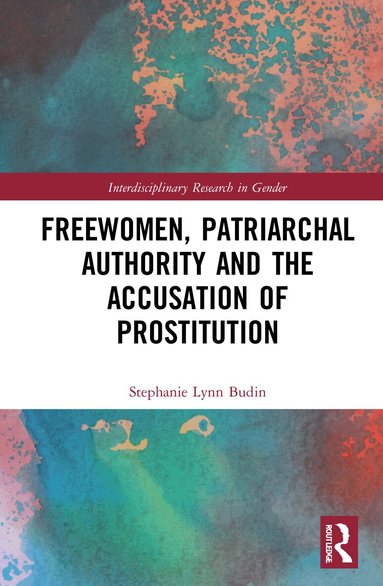
Freewomen, Patriarchal Authority, and the Accusation of Prostitution
Stephanie Lynn Budin
Inbunden, 2021
3 379 kr
Misogynistic Backlash Against Women-Strong Films
Dana Schowalter, Shannon Stevens, Daniel L. Horvath
Inbunden, 2021
3 249 kr
Women’s Suffrage in Word, Image, Music, Stage and Screen
Christopher Wiley, Lucy Ella Rose
Inbunden, 2021
3 349 kr
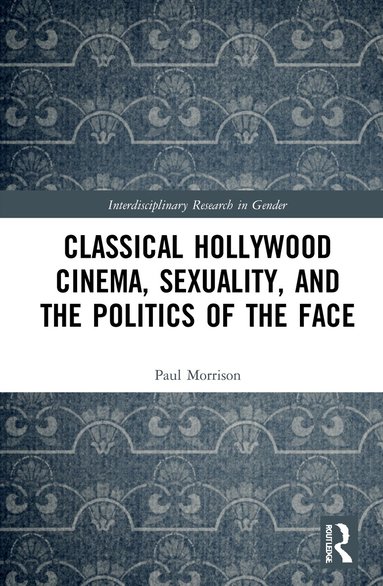
Classical Hollywood Cinema, Sexuality, and the Politics of the Face
Paul Morrison
Inbunden, 2020
3 769 kr
Hoppa över listan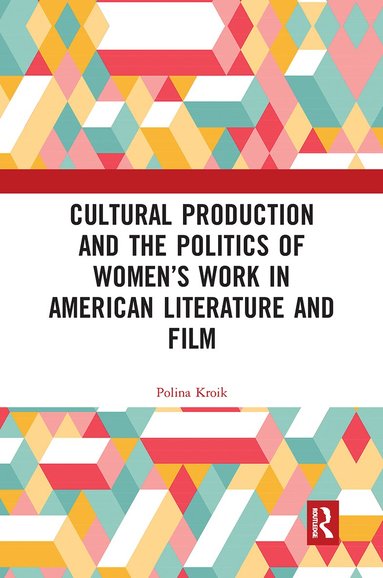








Du kanske också är intresserad av
Cultural Production and the Politics of Women’s Work in American Literature and Film
Polina Kroik
Häftad, 2020
1 059 kr
- Nyhet
- Nyhet
Del 6
- Nyhet
Del 3
- Nyhet
- Nyhet
Del 7
- Nyhet
Del 11
- Nyhet
Del 4
- Nyhet
Del 3
- Nyhet
Del 1