
Del 55
Del i serien Cultural Histories Series
Cultural History of the Home in the Renaissance
Häftad, Engelska, 2024
509 kr
Skickas . Fri frakt för medlemmar vid köp för minst 249 kr.
Finns i fler format (1)
This volume addresses the relationship between people and their homes in Christian areas of Western Europe in the Renaissance, traced from the late fourteenth century to around 1650. The two centuries after 1450 were characterised by a cluster of interrelated forces that led to significant changes in the material, social, cultural, economic and political landscape. The essays in the volume vary in their geographical focus of study and disciplinary approach but taken together they try to uncover the impact of these changes on how people used, thought and felt about their homes in the sixteenth and seventeenth centuries. They try to understand what home meant – or if home even existed as a concept– for the people and the places they discuss. They also consider ways in which gender, status, age and geography contributed to different meanings of home, both as an idea and as a place to live.
Produktinformation
- Utgivningsdatum2024-05-16
- Mått168 x 242 x 12 mm
- Vikt493 g
- FormatHäftad
- SpråkEngelska
- SerieCultural Histories Series
- Antal sidor248
- FörlagBloomsbury Publishing PLC
- ISBN9781350412255
Tillhör följande kategorier
Hoppa över listan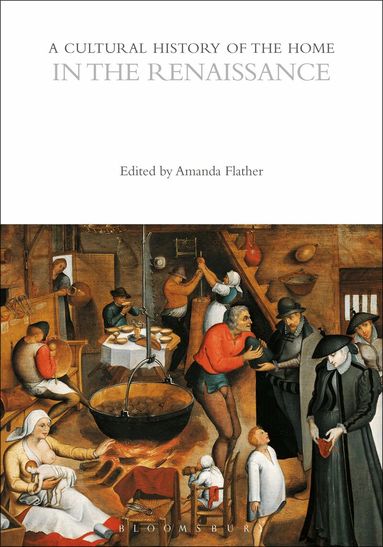






Du kanske också är intresserad av
Del 55
Del 55
- Nyhet
- Nyhet
Del 6
- Nyhet
Del 3
- Nyhet
- Nyhet
Del 7
- Nyhet
Del 11
- Nyhet
Del 4