
Del i serien Bloomsbury Studies on Cuba
Cuba's Forgotten Decade
How the 1970s Shaped the Revolution
Häftad, Engelska, 2020
719 kr
Beställningsvara. Skickas inom 10-15 vardagar. Fri frakt för medlemmar vid köp för minst 249 kr.
The 1970s have largely been overlooked in scholarly studies of the Cuban Revolution, or, at the very least, dismissed simply as a period of “Sovietization” characterized by widespread bureaucratization, institutionalization, and adherence to Soviet orthodoxy. Consequently, scant research exists that examines the major changes that took place across the decade and their role in determining the course of the Revolution. This book provides, for the first time, a comprehensive assessment of the 1970s which challenges prevailing interpretations. Drawing from multidisciplinary perspectives and exploring a range of areas—including politics, international relations, culture, education, and healthcare—its contributing authors demonstrate that the decade was a time of intense transformation which proved pivotal to the development of the Revolution. Indeed, many of the ideas, approaches, policies, and legislation developed and tested during the 1970s maintain a very visible legacy in contemporary Cuba. In highlighting the complexity of the 1970s, this volume ultimately aims to contribute to a greater understanding of the Cuban Revolution and how it chooses to face the challenges of the twenty-first century.
Produktinformation
- Utgivningsdatum2020-07-15
- Mått152 x 229 x 18 mm
- Vikt406 g
- FormatHäftad
- SpråkEngelska
- SerieBloomsbury Studies on Cuba
- Antal sidor268
- FörlagBloomsbury Publishing Plc
- ISBN9781498568753
Tillhör följande kategorier
Hoppa över listan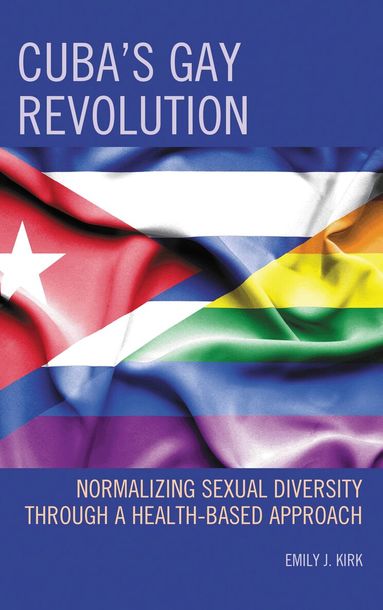

Mer från samma författare
Disaster Preparedness and Climate Change in Cuba
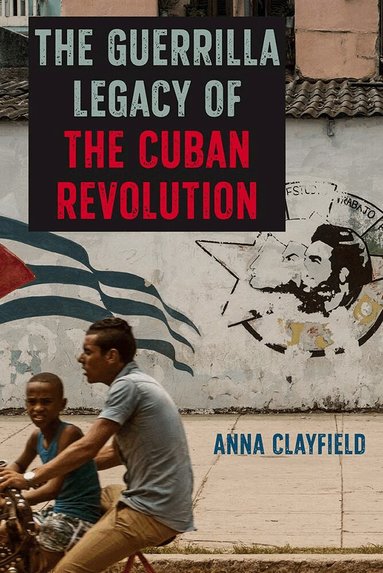
Emily J. Kirk, Isabel Story, Anna Clayfield
Inbunden, 2021
1 669 kr
Hoppa över listan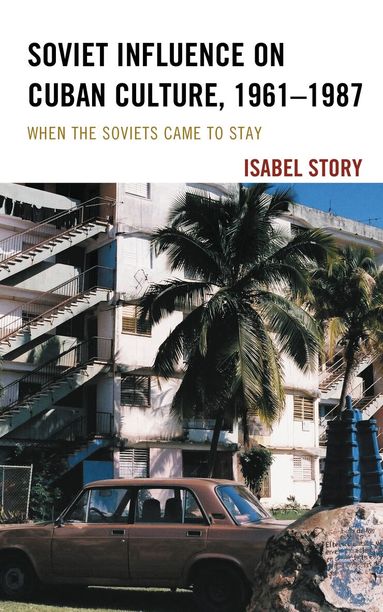



Du kanske också är intresserad av
Disaster Preparedness and Climate Change in Cuba
Emily J. Kirk, Isabel Story, Anna Clayfield
Inbunden, 2021
1 669 kr
- Nyhet
Del 7