
Crisis Narratives, Institutional Change, and the Transformation of the Japanese State
Inbunden, Engelska, 2021
1 689 kr
Beställningsvara. Skickas inom 5-8 vardagar. Fri frakt för medlemmar vid köp för minst 249 kr.
Finns i fler format (1)
Looking at Japan, traces crisis narratives across three decades and ten policy fields, with the aim of disentangling discursively manufactured crises from actual policy failures.Mired in national crises since the early 1990s, Japan has had to respond to a rapid population decline; the Asian and global financial crises; the 2011 triple disaster of earthquake, tsunami, and the Fukushima nuclear meltdown; the COVID-19 pandemic; China's economic rise; threats from North Korea; and massive public debt. In Crisis Narratives, Institutional Change, and the Transformation of the Japanese State, established specialists in a variety of areas use a coherent set of methodologies, aligning their sociological, public policy, and political science and international relations perspectives, to account for discrepancies between official rhetoric and policy practice and actual perceptions of decline and crisis in contemporary Japan. Each chapter focuses on a distinct policy field to gauge the effectiveness and the implications of political responses through an analysis of how crises are narrated and used to justify policy interventions. Transcending boundaries between issue areas and domestic and international politics, these essays paint a dynamic picture of the contested but changing nature of social, economic, and, ultimately political institutions as they constitute the transforming Japanese state.
Produktinformation
- Utgivningsdatum2021-11-01
- Mått152 x 229 x 25 mm
- Vikt562 g
- FormatInbunden
- SpråkEngelska
- Antal sidor344
- FörlagState University of New York Press
- ISBN9781438486093
Tillhör följande kategorier
Hoppa över listan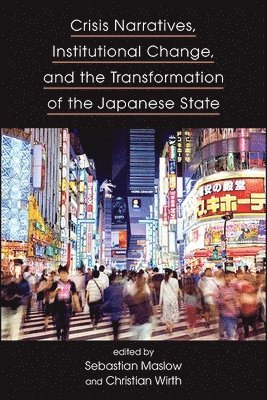





Du kanske också är intresserad av
Crisis Narratives, Institutional Change, and the Transformation of the Japanese State
Sebastian Maslow, Christian Wirth
Häftad, 2022
549 kr
Faktencheck Artenvielfalt
Christian Wirth, Helge Bruelheide, Nina Farwig, Jori Marx, Josef Settele
Inbunden, 2024
2 009 kr
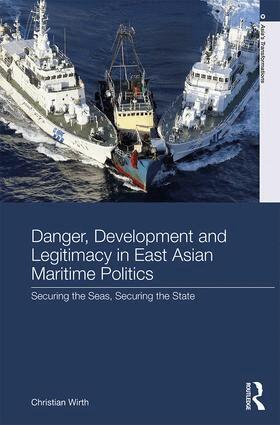
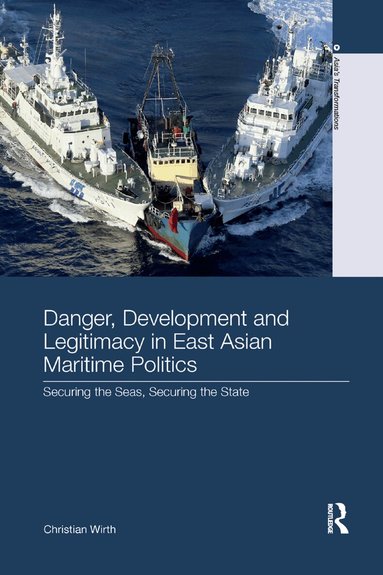
Danger, Development and Legitimacy in East Asian Maritime Politics
Christian Wirth
Inbunden, 2017
3 659 kr
Faktencheck Artenvielfalt
Christian Wirth, Helge Bruelheide, Nina Farwig, Jori Marx, Josef Settele
Inbunden, 2024
339 kr
Faktencheck Artenvielfalt
Christian Wirth, Helge Bruelheide, Nina Farwig, Jori Marx, Josef Settele
Häftad, 2025
339 kr