
Creditor Treatment in Corporate Insolvency Law
Inbunden, Engelska, 2020
3 049 kr
Beställningsvara. Skickas inom 5-8 vardagar. Fri frakt för medlemmar vid köp för minst 249 kr.
The significant role of credit in obtaining corporate capital means that credit and the treatment of creditors’ interests raises distinctive issues in the event of company insolvency. In this book, Kayode Akintola addresses these issues, providing an exceptional in-depth analysis of the principles, policy and practice of creditor treatment in corporate insolvency law.Key features include:an exploration of aspects of corporate insolvency law in need of reforman extensive examination of the rights and priorities of secured and unsecured creditors in English corporate insolvency lawan analysis of the impacts of key legislative developments, such as the Insolvency (England and Wales) Rules 2016, and recent case law, such as the Supreme Court decision in the Lehman Waterfall casea unique consideration of bank insolvency regimes in the context of creditor treatment.Creditor Treatment in Corporate Insolvency Law is a specialist guide for legal practitioners and members of the judiciary looking for a clear account of current law and practice in this field. It is also a valuable doctrinal treatment of the law for scholars of corporate insolvency law, and will be of interest to policymakers involved in debates about reforms to creditor treatment and secured transactions law.
Produktinformation
- Utgivningsdatum2020-11-17
- Mått169 x 244 x undefined mm
- FormatInbunden
- SpråkEngelska
- SerieElgar Corporate and Insolvency Law and Practice series
- FörlagEdward Elgar Publishing Ltd
- ISBN9781788971386
Tillhör följande kategorier
Hoppa över listan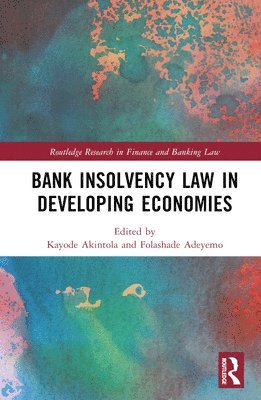

Mer från samma författare
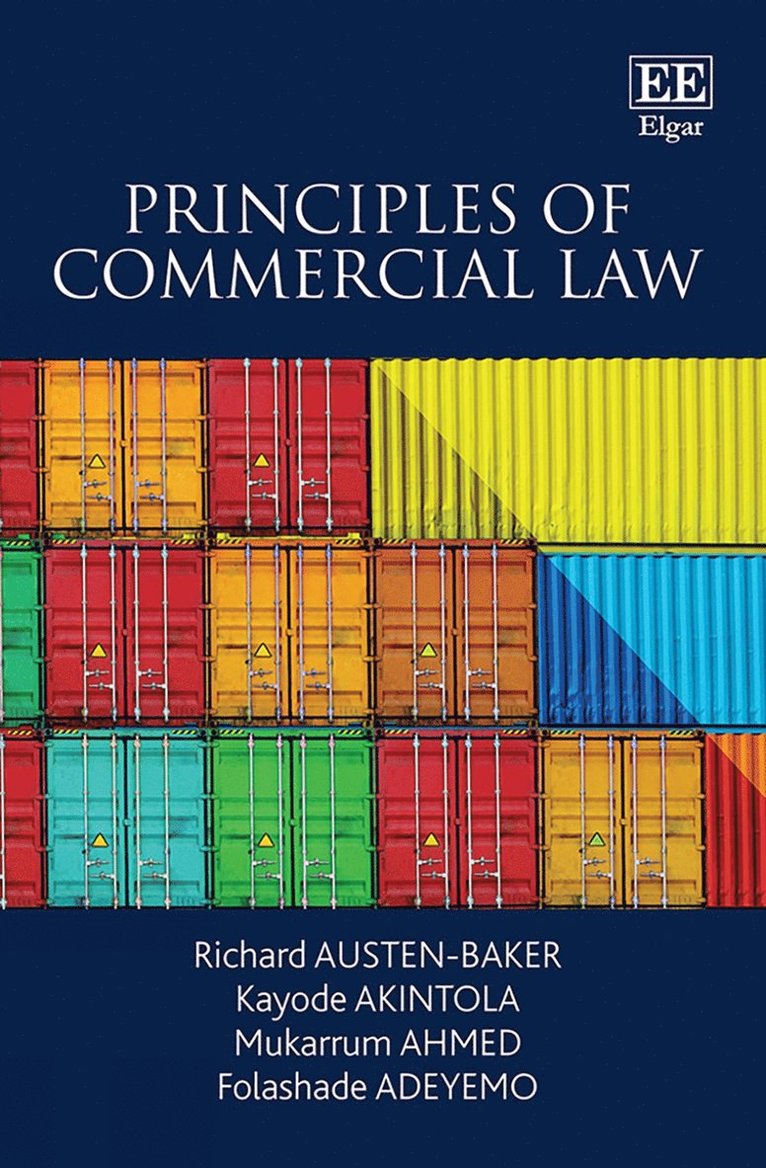
Principles of Commercial Law
Richard Austen-Baker, Kayode Akintola, Mukarrum Ahmed, Folashade Adeyemo
Inbunden, 2022
2 709 kr
Principles of Commercial Law
Richard Austen-Baker, Kayode Akintola, Mukarrum Ahmed, Folashade Adeyemo
Häftad, 2022
589 kr
Hoppa över listan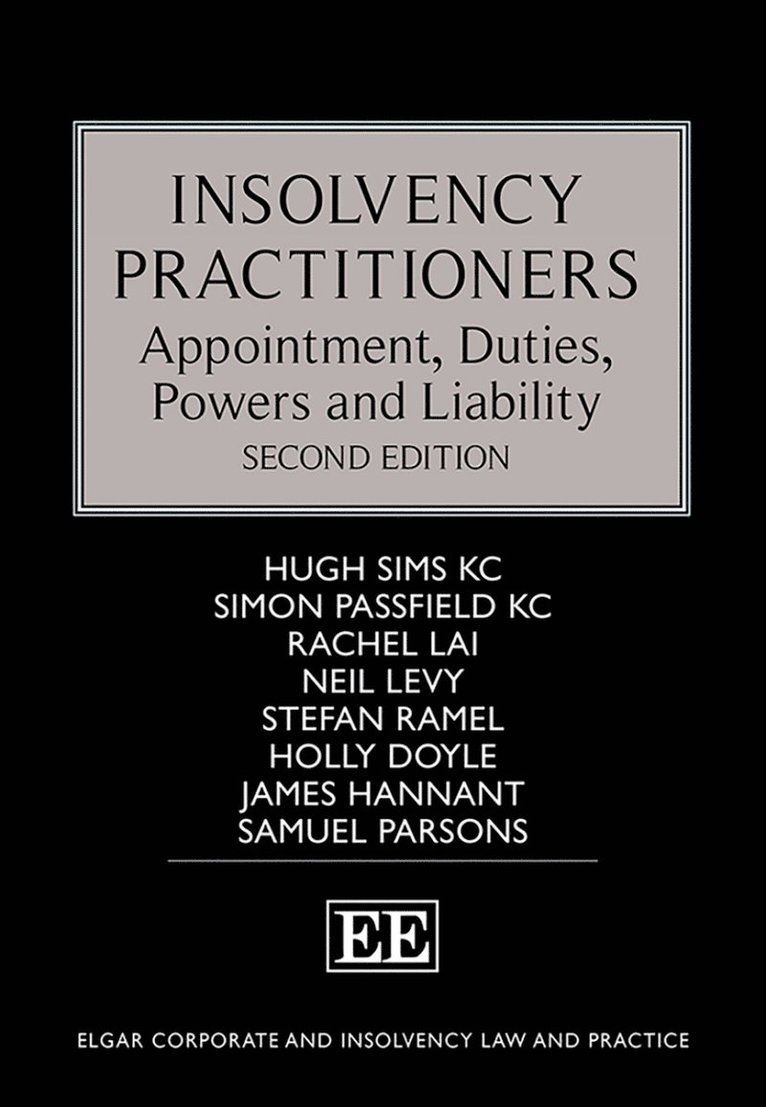


Mer från samma serie
Insolvency Practitioners
Hugh Sims, Simon Passfield, Stefan Ramel, Holly Doyle, James Hannant, Rachel Lai, Neil Levy, Samuel Parsons
Inbunden, 2024
3 579 kr
- Nyhet
Cross-Border Protocols in Insolvencies of Multinational Enterprise Groups
Ilya Kokorin, Bob Wessels
Inbunden, 2021
3 459 kr
Hoppa över listan
Du kanske också är intresserad av
Insolvency Practitioners
Hugh Sims, Simon Passfield, Stefan Ramel, Holly Doyle, James Hannant, Rachel Lai, Neil Levy, Samuel Parsons
Inbunden, 2024
3 579 kr
- Nyhet
Cross-Border Protocols in Insolvencies of Multinational Enterprise Groups
Ilya Kokorin, Bob Wessels
Inbunden, 2021
3 459 kr