
Creating the Dropout
An Institutional and Social History of School Failure
Inbunden, Engelska, 1996
799 kr
Beställningsvara. Skickas inom 10-15 vardagar. Fri frakt för medlemmar vid köp för minst 249 kr.
By the 1960s, high schools had become mass institutions saddled with the expectation of universal education for America's youth. Ironically, with this broadening of clientele and mission came the idea and phenomenon of the dropout. The consolidation of a dropout stereotype focused on the presumed dependency and delinquency of dropouts, with the resulting programs focusing on guidance and vocational training. Why the problem persists is the topic of this study with more constructive perspectives on dropping out.
Produktinformation
- Utgivningsdatum1996-04-30
- Mått156 x 235 x 18 mm
- Vikt369 g
- FormatInbunden
- SpråkEngelska
- Antal sidor176
- FörlagBloomsbury Publishing Plc
- ISBN9780275951757
Tillhör följande kategorier
Hoppa över listan






Mer från samma författare
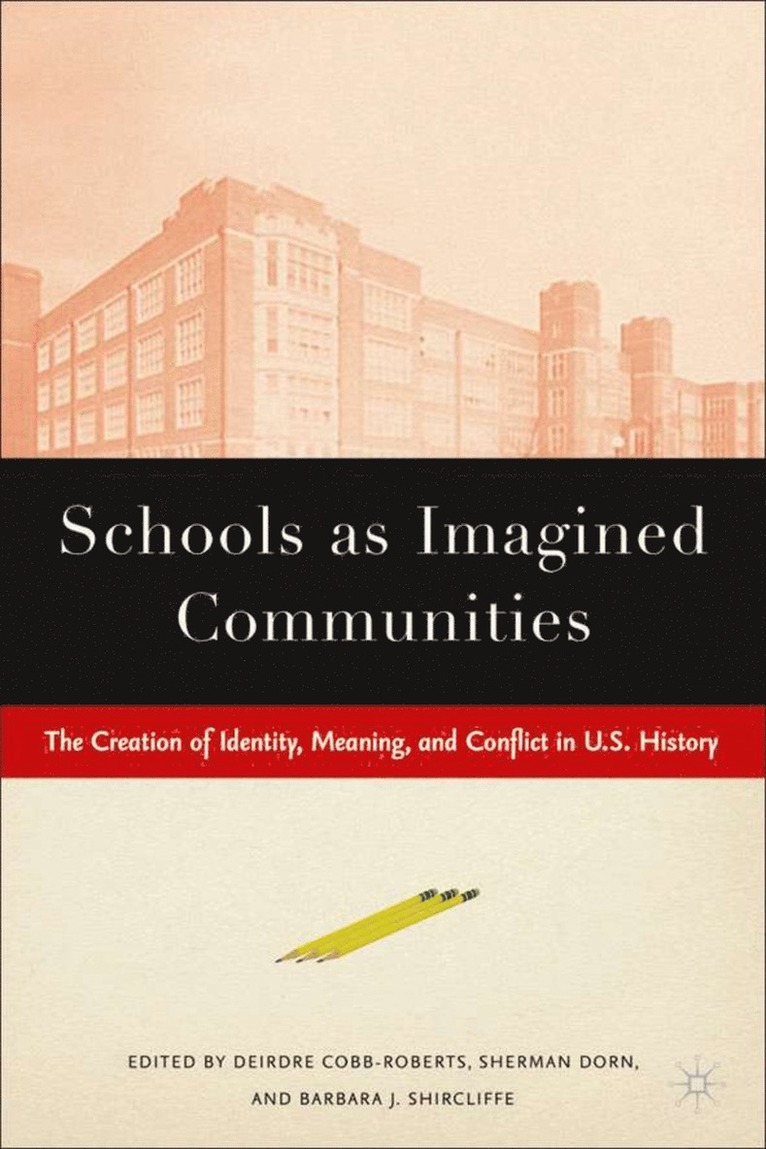
Schools as Imagined Communities
S. Dorn, B. Shircliffe, D. Cobb-Roberts, Deirdre Cobb-Roberts, Sherman Dorn
Inbunden, 2006
629 kr
Schools as Imagined Communities
S. Dorn, B. Shircliffe, D. Cobb-Roberts, Deirdre Cobb-Roberts, Sherman Dorn
Häftad, 2006
629 kr
Hoppa över listan
Du kanske också är intresserad av
Schools as Imagined Communities
S. Dorn, B. Shircliffe, D. Cobb-Roberts, Deirdre Cobb-Roberts, Sherman Dorn
Inbunden, 2006
629 kr
Schools as Imagined Communities
S. Dorn, B. Shircliffe, D. Cobb-Roberts, Deirdre Cobb-Roberts, Sherman Dorn
Häftad, 2006
629 kr
- Nyhet