
Copts at the Crossroads
The Challenges of Building Inclusive Democracy in Egypt
Häftad, Engelska, 2013
469 kr
Beställningsvara. Skickas inom 5-8 vardagar. Fri frakt för medlemmar vid köp för minst 249 kr.
In the light of the escalation of sectarian tensions during and after Mubarak's reign, the predicament of the Arab world's largest religious minority, the Copts, has come to the forefront. This book poses such questions as why there has been a mass exodus of Copts from Egypt, and how this relates to other religious minorities in the Arab region; why it is that sectarian violence increased during and after the Egyptian revolution, which epitomized the highest degree of national unity since 1919; and how the new configuration of power has influenced the extent to which a vision of a political order is being based on the principles of inclusive democracy. The book examines the relations among the state, the church, Coptic citizenry, and civil and political societies against the backdrop of the increasing diversification of actors, the change of political leadership in the country, and the transformations occurring in the region. An informative historical background is provided, and new fieldwork and statistical data inform a thoughtful exploration of what it takes to build an inclusive democracy in post-Mubarak Egypt.
Produktinformation
- Utgivningsdatum2013-02-28
- Mått151 x 229 x 21 mm
- Vikt531 g
- FormatHäftad
- SpråkEngelska
- Antal sidor296
- FörlagThe American University in Cairo Press
- ISBN9789774165917
Tillhör följande kategorier
Hoppa över listan

Mer från samma författare
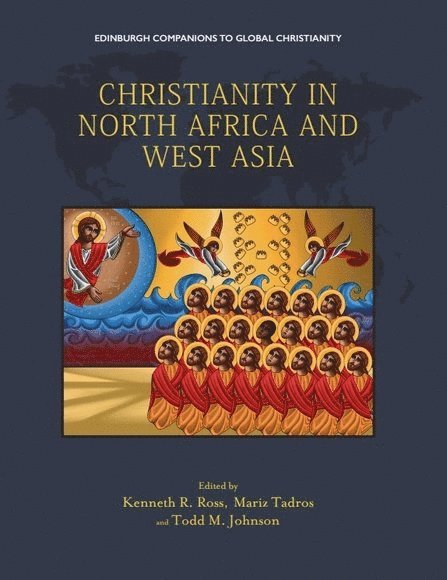
Christianity in North Africa and West Asia
Kenneth R. Ross, Mariz Tadros, Todd M. Johnson
Inbunden, 2018
3 259 kr
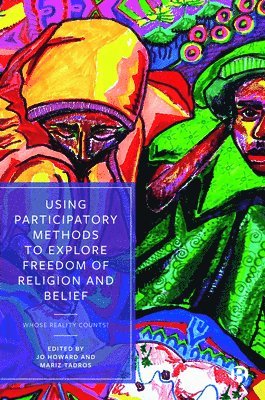
Using Participatory Methods to Explore Freedom of Religion and Belief
Jo Howard, Mariz Tadros
Häftad, 2023
549 kr
Hoppa över listan


Du kanske också är intresserad av
Christianity in North Africa and West Asia
Kenneth R. Ross, Mariz Tadros, Todd M. Johnson
Inbunden, 2018
3 259 kr
Using Participatory Methods to Explore Freedom of Religion and Belief
Jo Howard, Mariz Tadros
Häftad, 2023
549 kr
- Nyhet
- Nyhet
Del 4
- Nyhet
Del 11