
Del i serien Idea of Iran
Contest for Rule in Eighteenth-Century Iran
Idea of Iran Vol. 11
Inbunden, Engelska, 2022
1 589 kr
Beställningsvara. Skickas inom 10-15 vardagar. Fri frakt för medlemmar vid köp för minst 249 kr.
Finns i fler format (1)
This volume explores the troubled eighteenth century in Iran, between the collapse of the Safavids and the establishment of the new Qajar dynasty in the early decades of the nineteenth century. Despite the striking military successes of Nader Shah, to defeat the Afghan invaders, drive back the Ottomans in the west, and launch campaigns into India and Central Asia, Iran steadily lost territory in the Caucasus and the east, where Persian arms failed to recover lands lost to the Afghans and the Ozbeks. The chapters of this book cover the continuity and change over this transitional period from a range of perspectives including political history, historiography, art and material culture. They illuminate the changes in Iran’s internal conditions, including the legitimising legacy of the Safavid period in court chronicles, the rise of Nader Shah and his influence on the idea of Iran, as well as the art of successive dynasties competing for power and prestige. The volume also addresses Iran’s changed international situation by examining relations with Russia, Britain and India, the result of which would contribute to its re-emergence with a curtailed presence in the new world order of European dominance.
Produktinformation
- Utgivningsdatum2022-08-11
- Mått160 x 238 x 20 mm
- Vikt559 g
- FormatInbunden
- SpråkEngelska
- SerieIdea of Iran
- Antal sidor256
- FörlagBloomsbury Publishing PLC
- ISBN9780755645992
Tillhör följande kategorier
Hoppa över listan





Mer från samma författare
A Short History of the Gibb Memorial Trust and Its Trustees: A Century of Oriental Scholarship
Charles Melville
Häftad
579 kr
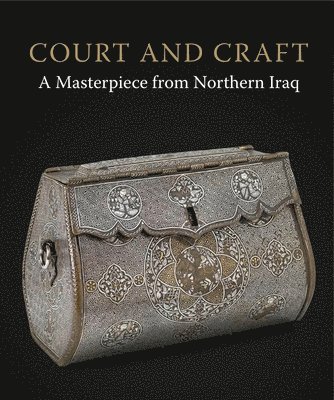
Court and Craft
Robert Hillenbrand, Charles Melville, Marianna Shreve Simpson, Rachel Ward
Häftad, 2014
489 kr
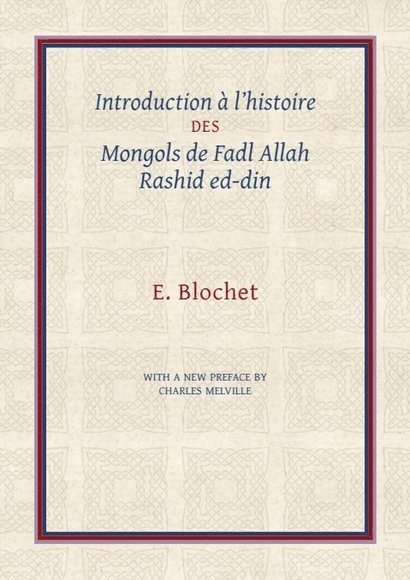
Introduction à l’Histoire des Mongols de Fadl Allah Rashid ed-din
Charles Melville, Edgard Blochet
Häftad, 2017
909 kr
Hoppa över listan



Du kanske också är intresserad av
Court and Craft
Robert Hillenbrand, Charles Melville, Marianna Shreve Simpson, Rachel Ward
Häftad, 2014
489 kr
Chronicle of the Reign of Shah 'Abbas TWO VOL SET
Fazli Beg Khuzani Isfahani, Kioumars Ghereghlou, Charles Melville
Inbunden, 2015
2 079 kr
A Short History of the Gibb Memorial Trust and Its Trustees: A Century of Oriental Scholarship
Charles Melville
Häftad
579 kr
Del 127