
Del 5 i serien Rhetoric and Democratic Deliberation
Confessional Crises and Cultural Politics in Twentieth-Century America
Häftad, Engelska, 2012
549 kr
Beställningsvara. Skickas inom 5-8 vardagar. Fri frakt för medlemmar vid köp för minst 249 kr.
Finns i fler format (1)
Confessional Crises and Cultural Politics in Twentieth-Century America revolutionizes how we think about confession and its ubiquitous place in American culture. It argues that the sheer act of labeling a text a confession has become one of the most powerful, and most overlooked, forms of intervening in American cultural politics. In the twentieth century alone, the genre of confession has profoundly shaped (and been shaped by) six of America’s most intractable cultural issues: sexuality, class, race, violence, religion, and democracy.
Produktinformation
- Utgivningsdatum2012-12-04
- Mått152 x 229 x 18 mm
- Vikt386 g
- FormatHäftad
- SpråkEngelska
- SerieRhetoric and Democratic Deliberation
- Antal sidor248
- FörlagPennsylvania State University Press
- ISBN9780271056296
- UtmärkelserWinner of Marie Hochmuth Nichols Award 2013
Tillhör följande kategorier
Hoppa över listan
Mer från samma serie
Del 1
Del 2
Del 3
Del 4
Del 4
Del 6
Del 6
Del 7
Del 8
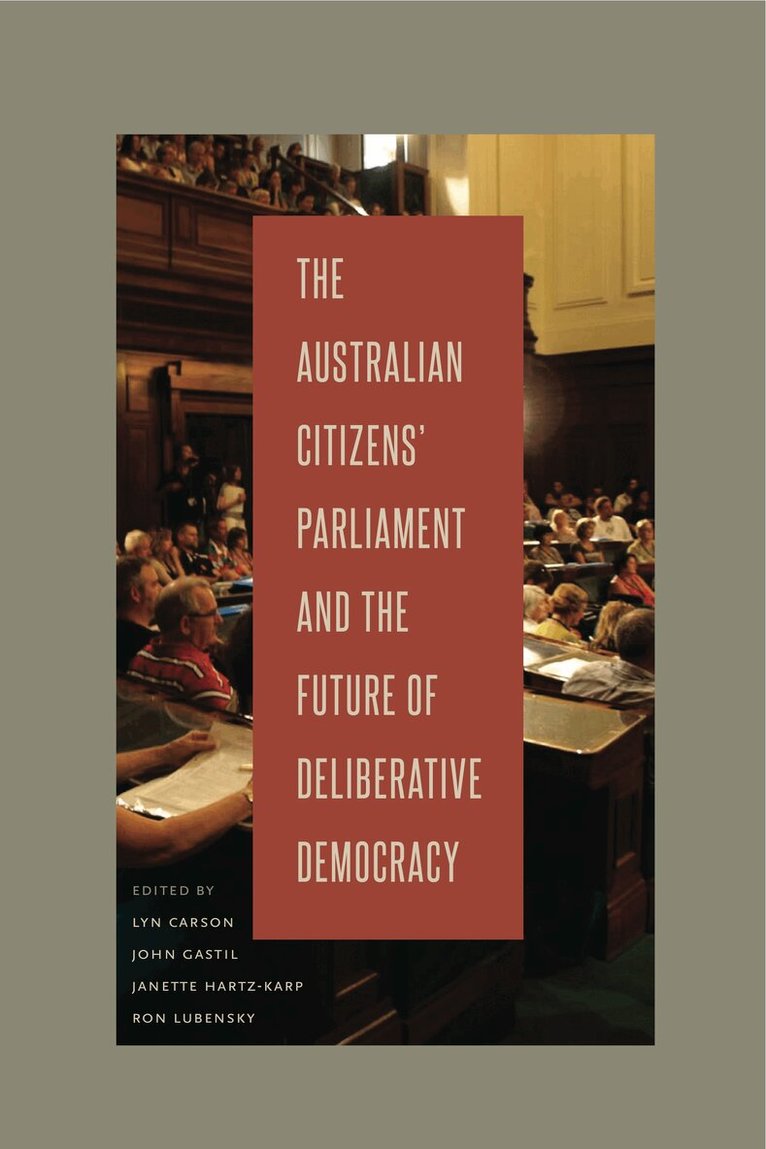
Australian Citizens’ Parliament and the Future of Deliberative Democracy
Lyn Carson, John Gastil, Janette Hartz-Karp, Ron Lubensky
Inbunden, 2013
1 329 kr
Del 8
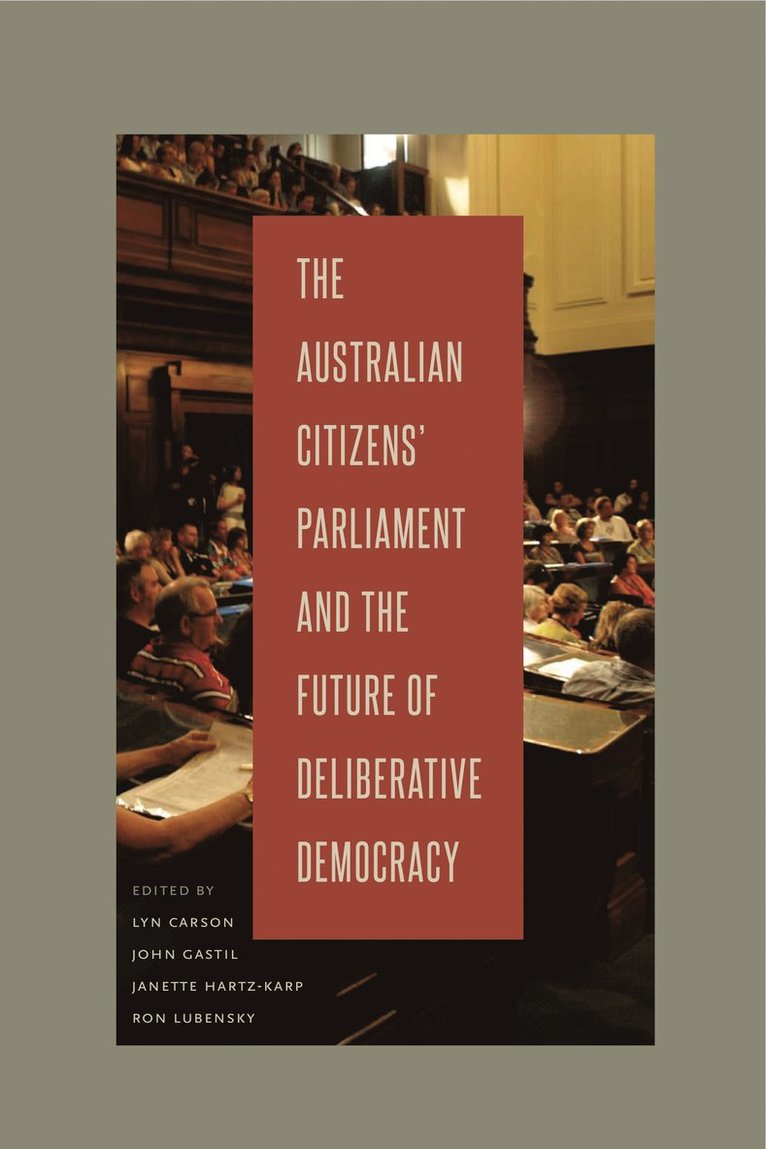
Australian Citizens’ Parliament and the Future of Deliberative Democracy
Lyn Carson, John Gastil, Janette Hartz-Karp, Ron Lubensky
Häftad, 2013
569 kr
Hoppa över listan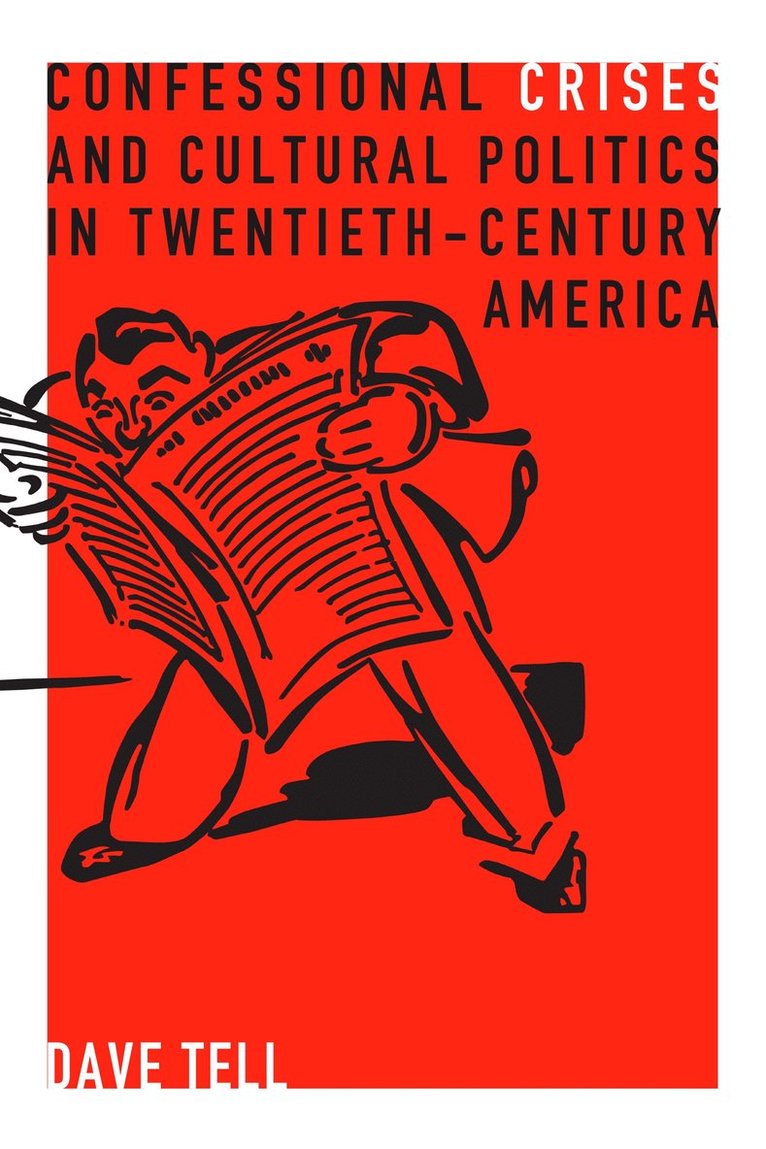






Du kanske också är intresserad av
Del 5
Confessional Crises and Cultural Politics in Twentieth-Century America
Dave Tell
Inbunden, 2012
1 059 kr
- Nyhet
Del 4
- Nyhet
Del 1
- Nyhet
Del 11
- Nyhet
Del 6
Del 7