
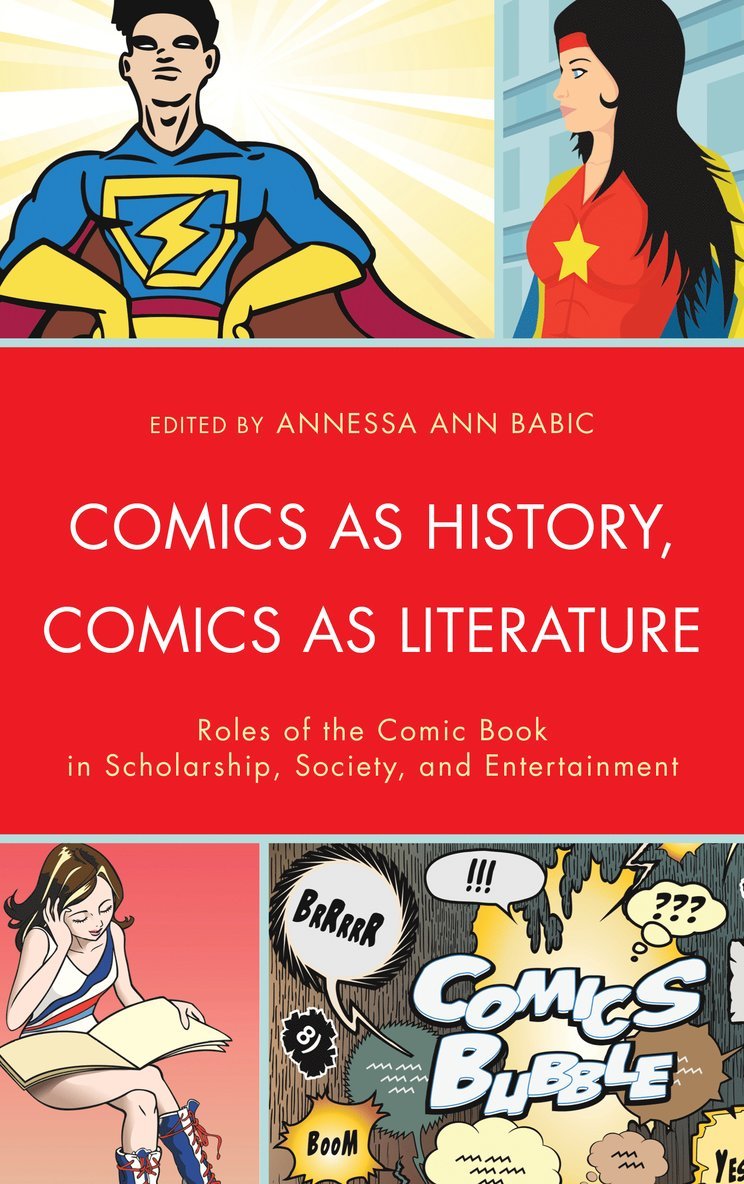
Comics as History, Comics as Literature
Roles of the Comic Book in Scholarship, Society, and Entertainment
Häftad, Engelska, 2015
959 kr
Beställningsvara. Skickas inom 10-15 vardagar. Fri frakt för medlemmar vid köp för minst 249 kr.
This anthology hosts a collection of essays examining the role of comics as portals for historical and academic content, while keeping the approach on an international market versus the American one. Few resources currently exist showing the cross-disciplinary aspects of comics. Some of the chapters examine the use of Wonder Woman during World War II, the development and culture of French comics, and theories of Locke and Hobbs in regards to the state of nature and the bonds of community. More so, the continual use of comics for the retelling of classic tales and current events demonstrates that the genre has long passed the phase of for children’s eyes only. Additionally, this anthology also weaves graphic novels into the dialogue with comics.
Produktinformation
- Utgivningsdatum2015-08-31
- Mått156 x 228 x 21 mm
- Vikt404 g
- FormatHäftad
- SpråkEngelska
- Antal sidor272
- FörlagAssociated University Presses
- ISBN9781611478525
Tillhör följande kategorier
Hoppa över listan



Du kanske också är intresserad av
- Nyhet
Del 6

- Nyhet
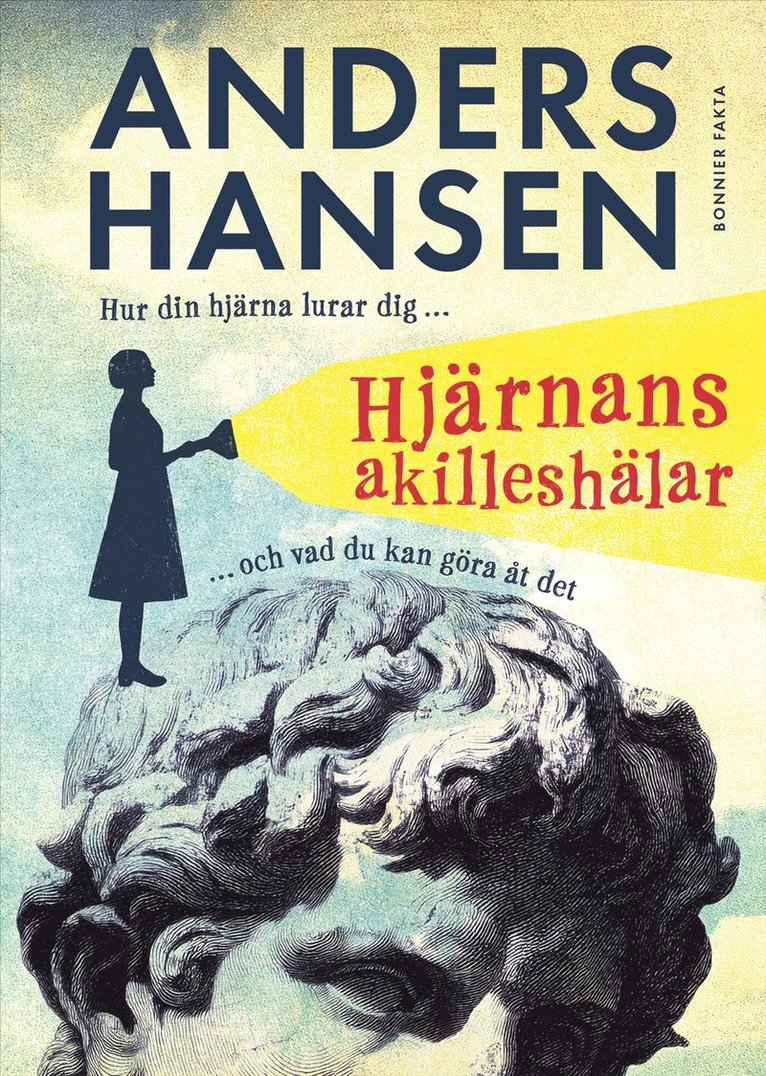
Hjärnans akilleshälar : hur din hjärna lurar dig, och vad du kan göra åt det
Anders Hansen
Inbunden
279 kr329 kr
- Nyhet
- Nyhet
- Nyhet