
Del 135 i serien Cambridge Studies in Nineteenth-Century Literature and Culture
Collaborative Writing in the Long Nineteenth Century
Sympathetic Partnerships and Artistic Creation
Inbunden, Engelska, 2022
1 669 kr
Beställningsvara. Skickas inom 11-20 vardagar. Fri frakt för medlemmar vid köp för minst 249 kr.
Finns i fler format (1)
Bringing the collaborative process to life through an array of examples, Heather Witcher shows that sympathetic co-creation is far more than the mere act of writing together. While foregrounding the material aspects of collaboration - hands uniting on the page, blank space left for fellow contributors, the writing and exchanging of drafts - this study also illuminates its social aspects and its reliance on Victorian liberalism: dialogue, the circulation of correspondence, the lived experience of collaboration, and, on a less material plane, transhistorical collaborations with figures of the past. Witcher takes a broad approach to these partnerships and, in doing so, challenges traditional expectations surrounding the nature of authorship itself, not least its typical classification as a solitary activity. Within this new framework, collaboration enables the titles of 'coauthor,' 'influencer,' 'editor,' 'critic,' and 'inspiration' to coexist. This book celebrates the plurality of collaboration and underscores the truly social nature of nineteenth-century writing.
Produktinformation
- Utgivningsdatum2022-03-17
- Mått158 x 235 x 22 mm
- Vikt541 g
- FormatInbunden
- SpråkEngelska
- SerieCambridge Studies in Nineteenth-Century Literature and Culture
- Antal sidor282
- FörlagCambridge University Press
- ISBN9781316513491
Tillhör följande kategorier
Hoppa över listan


Mer från samma serie
Del 8
Del 21
Del 9
Del 14
Professional Domesticity in the Victorian Novel
Monica Feinberg Cohen, Gillian Beer
Häftad, 2005
859 kr
Del 15
Del 11
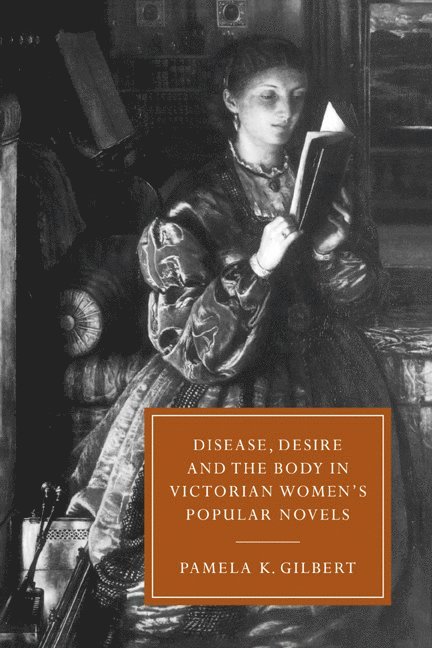
Disease, Desire, and the Body in Victorian Women's Popular Novels
Pamela K. Gilbert, Gillian Beer
Häftad, 2005
819 kr
Del 29
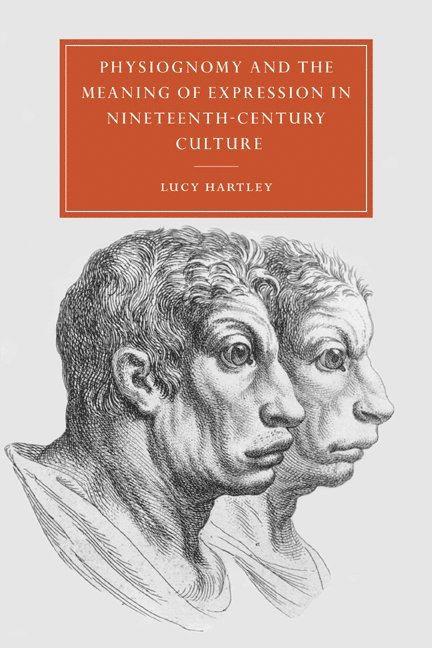
Physiognomy and the Meaning of Expression in Nineteenth-Century Culture
Lucy Hartley, Gillian Beer
Häftad, 2006
859 kr
Del 32
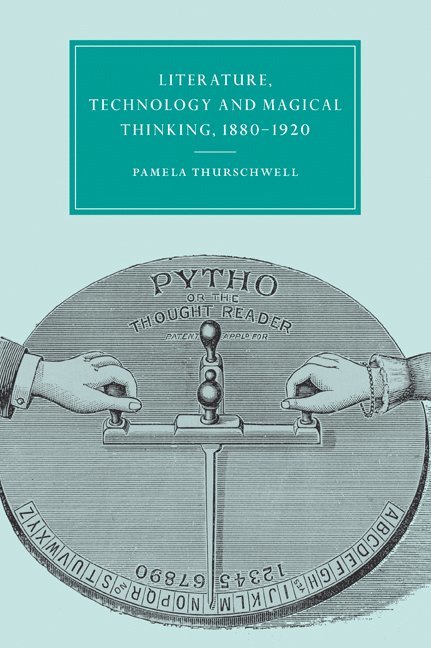
Literature, Technology and Magical Thinking, 1880-1920
Pamela Thurschwell, Gillian Beer
Häftad, 2005
819 kr
Del 13
Del 18
Ancestry and Narrative in Nineteenth-Century British Literature
Sophie Gilmartin, Gillian Beer
Häftad, 2005
699 kr
Hoppa över listan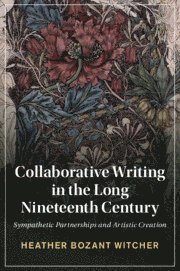


Du kanske också är intresserad av
- Nyhet
- Nyhet
Del 4

Omvårdnadens grunder - paket
Sofia Almerud, Annica Backman, Anna-Karin Edberg, Anna Ehrenberg, My Engström, Katarina Göransson, Lena Marmstål Hammar, Stefan Nilsson, Lars Wallin, Helle Wijk, Joakim Öhlén, Lilas Ali, Anette Alvariza, Ann-Christine Andersson, Pia Andersson, Anna Anåker, Charlotta van Eggermont Arwidson, Margareta Asp, Åsa Audulv, Malin Axelsson, Mariette Bengtsson, Eva Benzein, Lena Berg, Monica Bergqvist, Eva-Karin Bergström, Ida Björkman, Catrin Björvell, Angela Bång, Carina Bååth, Josefin Bäckström, Karin Bölenius, David Edvardsson, Rakel Eklund, Inger Ekman, Mirjam Ekstedt, Ann Catrine Eldh, Karin Enskär, Sofia Erestam, Anneli Eriksson, Henrik Eriksson, Marie Ernsth Bravell, Jan Florin, Anna Forsberg, Henrietta Forsman, Anette Forss, Mio Fredriksson, Febe Friberg, Maria Grandahl, Tanja Gustafsson, Agneta Gånemo, Elizabeth Hanson, Malin Hansson, Amanda Hellström, Ingela Henoch, Inger Jansson, Maria Jirwe, Lena Johansson, Pauline Johansson, Unn-Britt Johansson, Birgitta Kerstis, Ann-Sofie Källberg, Ulrika Källman, Anita Kärner Köhler, Cecilia Larsdotter, Margret Lepp, Maria Lindström Nilsson, Mikael Lundmark, Anneli Löf, Lennart Magnusson, Catharina Melander, Jenny Milton, Beata Molin, Annika Nordin, Maria Norinder, Sepideh Olausson, Carina Persson, Kerstin Prignitz Sluys, Josefin Rahmqvist, Birgit Holritz Rasmussen, Anneli Ringblom, Karin C. Ringsberg, Ann Rudman, Ann-Marie Rydholm Hedman, Silje Rysst, Lars Sandman, Regina Santamäki Fischer, Britt-Inger Saveman, Johanna Sjömar, Karin Stenzelius, Anna Strömberg, Annelie J. Sundler, Märtha Sund Levander, Kristina Svantesson, Anna Swall, Susanne Syrén, Pia Tingström, Johanna Ulfvarson, Sara Wallström, Albert Westergren, Lena Wiklund Gustin, Ulrika Winblad
Häftad, 2025
1 569 kr