
Del i serien CRC Marine Science
Climate Change and Coastal Ecosystems
Long-Term Effects of Climate and Nutrient Loading on Trophic Organization
Häftad, Engelska, 2020
1 169 kr
Beställningsvara. Skickas inom 10-15 vardagar. Fri frakt för medlemmar vid köp för minst 249 kr.
Finns i fler format (1)
Produced by a Leading Aquatic ScientistA narrative account of how estuaries around the world are being altered by human forces and human-induced global climate changes, Climate Change and Coastal Ecosystems: Long-Term Effects of Climate and Nutrient Loading on Trophic Organization chronicles a more than 40-year-old research effort conducted by Dr. Robert J. Livingston and his research team at Florida State University. Designed to evaluate system-level responses to natural and anthropogenic nutrient loading and long-term climate changes, the study focused on the northeast Gulf of Mexico river–bay systems, and concentrated on phytoplankton/benthic macrophyte productivity and associated food web organization. It addressed the changes of food web structure relative to long-term trends of climatological conditions, and was carried out using a combination of field-descriptive and experimental approaches.Details Climate Change, Climate Change Effects, and EutrophicationThis book includes comparative analyses of how the trophic organization of different river–bay ecosystems responded to variations of both anthropogenic impacts and natural driving factors in space and time. It incorporates a climate database and evaluates the effects of climate change in the region. It also provides insights into the effects of nutrient loading and climate on the trophic organization of coastal systems in other global regions.Presents research compiled from consistent field sampling methods and detailed taxonomic identifications over an extended period of studyIncludes the methods and materials that the research team used to access the health and trophic organization of Florida’s estuariesProvides an up-to-date bibliography of estuarine publications and reportsBased on a longitudinal study of anthropogenic and natural driving factors on river-estuarine systems in the northeast Gulf of Mexico, Climate Change and Coastal Ecosystems: Long-Term Effects of Climate and Nutrient Loading on Trophic Organization is useful as a reference for researchers working on riverine, estuarine, and coastal marine systems.
Produktinformation
- Utgivningsdatum2020-09-30
- Mått178 x 254 x 39 mm
- Vikt1 365 g
- FormatHäftad
- SpråkEngelska
- SerieCRC Marine Science
- Antal sidor572
- FörlagTaylor & Francis Ltd
- ISBN9780367656393
Tillhör följande kategorier
Hoppa över listan
Mer från samma serie
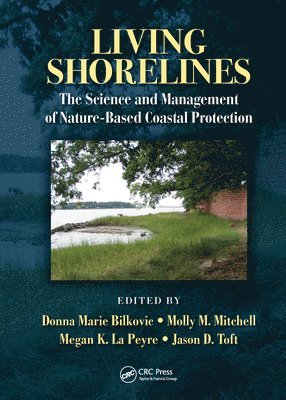
Living Shorelines
Donna Marie Bilkovic, Molly M. Mitchell, Megan K. La Peyre, Jason D. Toft
Häftad, 2020
1 019 kr
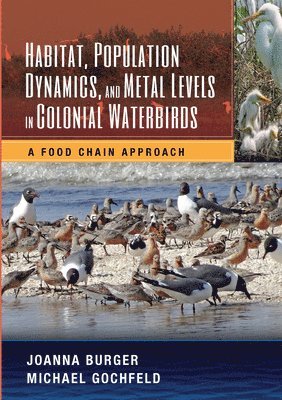
Habitat, Population Dynamics, and Metal Levels in Colonial Waterbirds
Joanna Burger, Michael Gochfeld
Häftad, 2020
1 019 kr
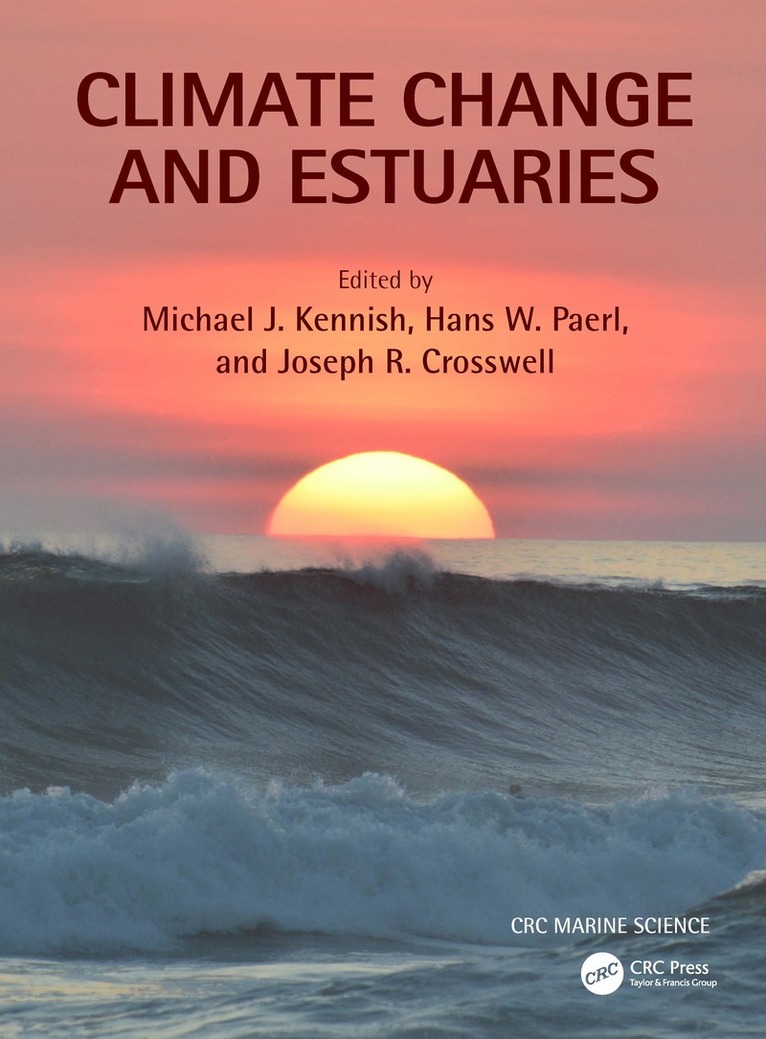
Climate Change and Estuaries
Michael J. Kennish, Hans W. Paerl, Joseph R. Crosswell
Inbunden, 2023
4 859 kr
Hoppa över listan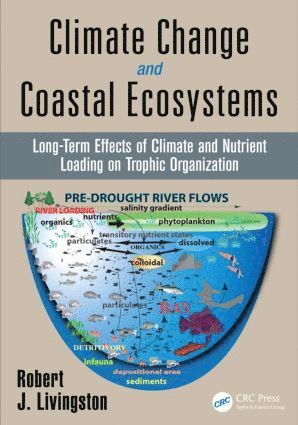
Du kanske också är intresserad av
Del 83
Living Shorelines
Donna Marie Bilkovic, Molly M. Mitchell, Megan K. La Peyre, Jason D. Toft
Inbunden, 2017
3 919 kr