
Del i serien Bloomsbury Studies in Classical Reception
Classics in South America
Five Case Studies
Häftad, Engelska, 2023
649 kr
Beställningsvara. Skickas inom 10-15 vardagar. Fri frakt för medlemmar vid köp för minst 249 kr.
Finns i fler format (1)
This volume examines the long and complex history of the Greco-Roman tradition in South America, arguing that the Classics have played a crucial, though often overlooked, role in the self-definition in the New World. Chronicling and theorizing this history through a detailed analysis of five key moments, chosen from the early and late colonial period, the emancipatory era, and the 20th and 21st centuries, it also examines an eclectic selection of both literary and cinematographic works and artefacts such as maps, letters, scientific treatises, songs, monuments, political speeches, and even the drafts of proposals for curricular changes across Latin America. The heterogeneous cases analysed in this book reveal cultural anxieties that recur through different periods, fundamentally related to the 'newness' of the continent and the formation of identities imagined as both Western and non-Western – a genealogy of apprehensions that South American intellectuals and political figures have typically experienced when thinking of their own role in world history. In tracing this genealogy, The Classics in South America innovatively reformulates our understanding of well-known episodes in the cultural history of the region, while providing a theoretical and historical resource for further studies of the importance of the Classical tradition across Latin America.
Produktinformation
- Utgivningsdatum2023-08-24
- Mått152 x 232 x 20 mm
- Vikt400 g
- FormatHäftad
- SpråkEngelska
- SerieBloomsbury Studies in Classical Reception
- Antal sidor272
- FörlagBloomsbury Publishing PLC
- ISBN9781350195042
Tillhör följande kategorier
Hoppa över listan




Mer från samma serie
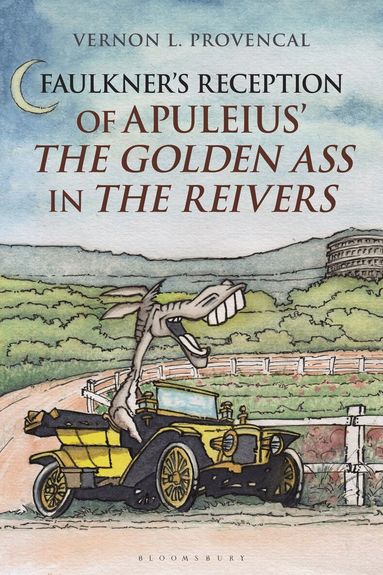
Faulkner’s Reception of Apuleius’ The Golden Ass in The Reivers
Vernon L. Provencal
Inbunden, 2020
2 339 kr
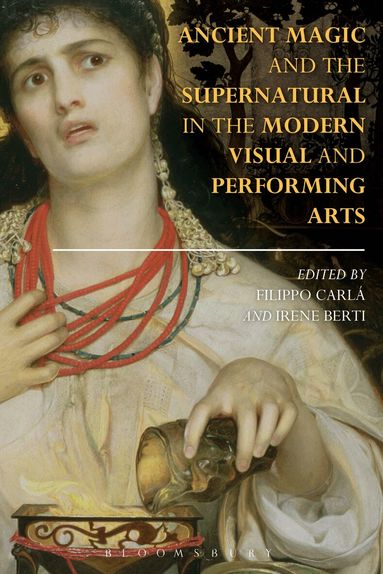
Ancient Magic and the Supernatural in the Modern Visual and Performing Arts
Filippo Carlà-Uhink, Irene Berti
Häftad, 2016
729 kr
Greek and Roman Classics in the British Struggle for Social Reform
Henry Stead, Edith Hall
Häftad, 2016
839 kr
Hoppa över listan








Du kanske också är intresserad av
- Nyhet
Del 7
- Nyhet
Del 4
- Nyhet
- Nyhet
Del 6
- Nyhet
Del 3
- Nyhet
Del 11
- Nyhet
- Nyhet
Del 1