
China in Africa
Between Imperialism and Partnership in Humanitarian Development
Häftad, Engelska, 2023
679 kr
Beställningsvara. Skickas inom 10-15 vardagar. Fri frakt för medlemmar vid köp för minst 249 kr.
This book examines Sino-African relations and their impact on Africa. It argues that Africa’s relationship with China has had a profound impact on key sectors in Africa—economic and political development, the media, infrastructural development, foreign direct investments, loans, debt peonage, and international relations. The authors also analyze the imperialist and neo-colonialist implications of this relationship and discuss the degree to which the relationship is beneficial to Africa.
Produktinformation
- Utgivningsdatum2023-03-29
- Mått154 x 223 x 24 mm
- Vikt630 g
- FormatHäftad
- SpråkEngelska
- Antal sidor396
- FörlagBloomsbury Publishing Plc
- ISBN9781793612342
Tillhör följande kategorier
Hoppa över listan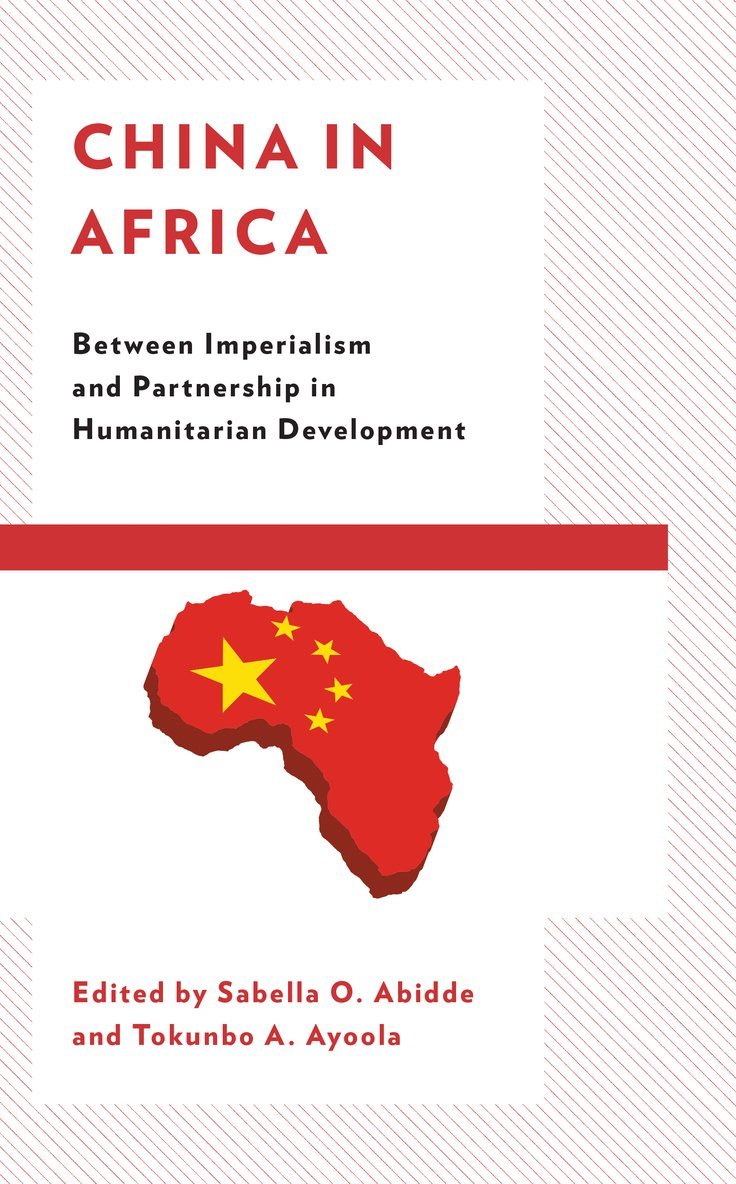

Du kanske också är intresserad av
Politics, Economy, and Society in Twentieth-Century Nigeria
Ayodeji Olukoju, Tokunbo A. Ayoola
Inbunden, 2023
1 729 kr
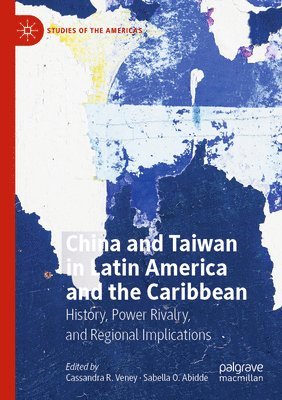
China and Taiwan in Latin America and the Caribbean
Cassandra R. Veney, Sabella O. Abidde
Inbunden, 2024
1 919 kr
China and Taiwan in Latin America and the Caribbean
Cassandra R. Veney, Sabella O. Abidde
Häftad, 2025
1 869 kr
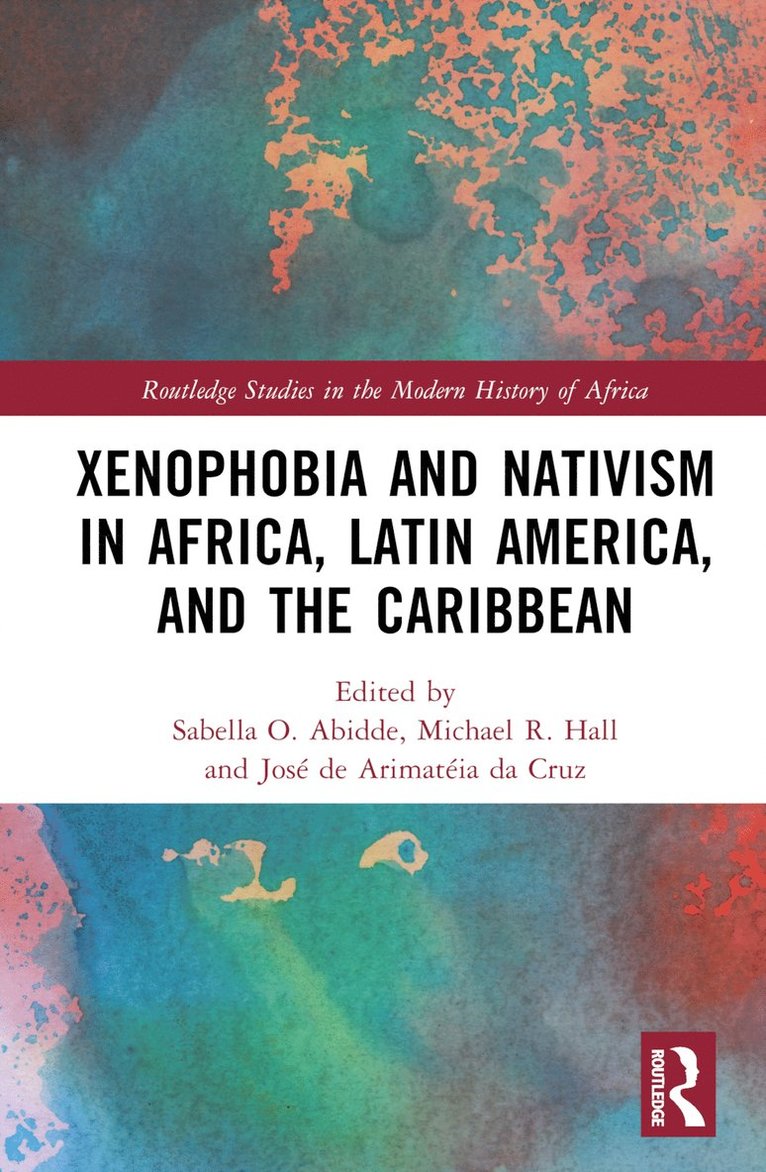
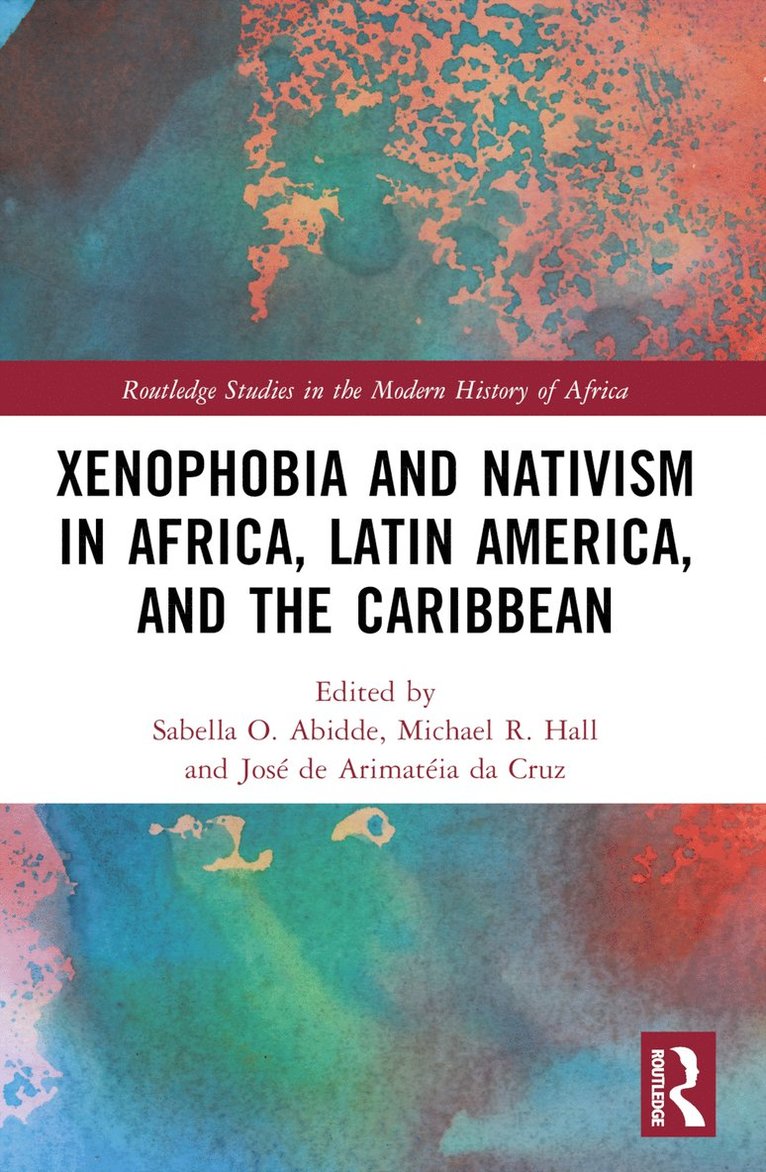
Xenophobia and Nativism in Africa, Latin America, and the Caribbean
Sabella O. Abidde, Michael R. Hall, José de Arimatéia da Cruz
Inbunden, 2023
3 119 kr
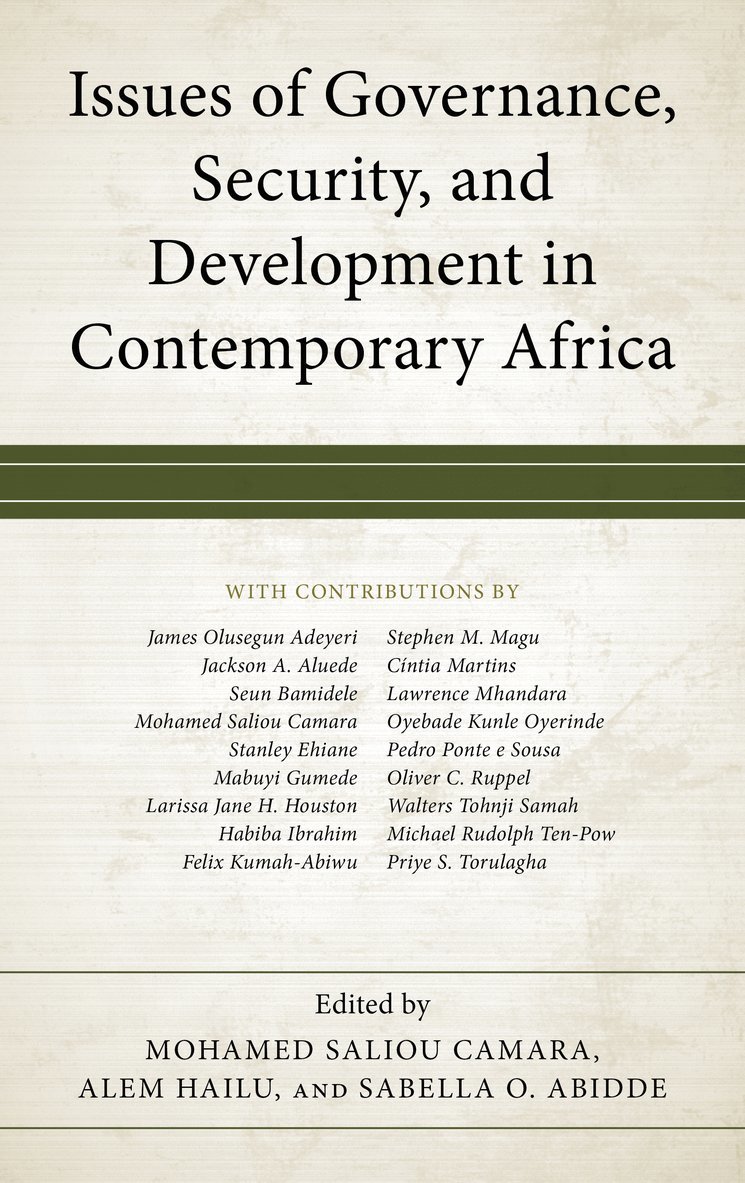
Issues of Governance, Security, and Development in Contemporary Africa
Mohamed Saliou Camara, Alem Hailu, Sabella O. Abidde
Inbunden, 2023
1 869 kr
African Understandings of Chinese Involvement
Sabella O. Abidde, amane G. Thiombiano
Inbunden, 2026
3 219 kr
Xenophobia and Nativism in Africa, Latin America, and the Caribbean
Sabella O. Abidde, Michael R. Hall, José de Arimatéia da Cruz
Häftad, 2024
829 kr