
Del i serien Continuum Studies in Educational Research
Childhood and the Philosophy of Education
An Anti-Aristotelian Perspective
Inbunden, Engelska, 2008
3 349 kr
Beställningsvara. Skickas inom 10-15 vardagar. Fri frakt för medlemmar vid köp för minst 249 kr.
Finns i fler format (1)
Philosophical accounts of childhood have tended to derive from Plato and Aristotle, who portrayed children (like women, animals, slaves, and the mob) as unreasonable and incomplete in terms of lacking formal and final causes and ends. Despite much rhetoric concerning either the sinfulness or purity of children (as in Puritanism and Romanticism respectively), the assumption that children are marginal has endured. Modern theories, including recent interpretations of neuroscience, have re-enforced this sense of children's incompleteness. This fascinating monograph seeks to overturn this philosophical tradition. It develops instead a "fully semiotic" perspective, arguing that in so far as children are no more or less interpreters of the world than adults, they are no more or less reasoning agents. This, the book shows, has radical implications, particularly for the question of how we seek to educate children. One Aristotelian legacy is the unquestioned belief that societies must educate the young irrespective of the latter's wishes. Another is that childhood must be grown out of and left behind. Thus adults, as well as children, are impeded by the incompleteness thesis.The study will examine critically the bases for the beliefs that more and more compulsory education is necessarily a social good, and that adulthood should be conceived as an entirely separate realm from childhood.
Produktinformation
- Utgivningsdatum2008-12-20
- Mått156 x 234 x 16 mm
- Vikt485 g
- FormatInbunden
- SpråkEngelska
- SerieContinuum Studies in Educational Research
- Antal sidor210
- FörlagBloomsbury Publishing PLC
- ISBN9780826499721
Tillhör följande kategorier
Hoppa över listan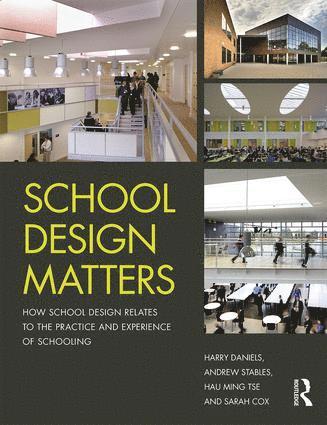

Mer från samma författare
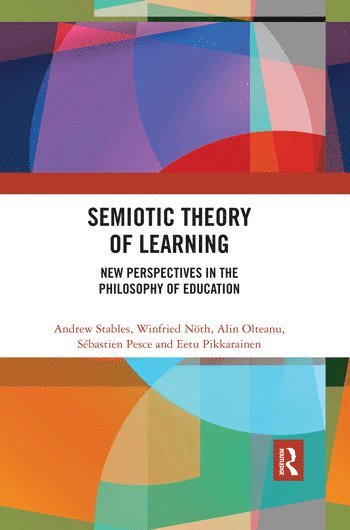
Semiotic Theory of Learning
Andrew Stables, Winfried Nöth, Alin Olteanu, Sébastien Pesce, Eetu Pikkarainen
Häftad, 2020
859 kr
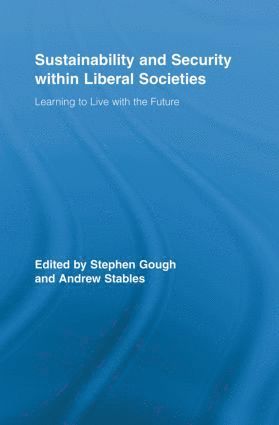
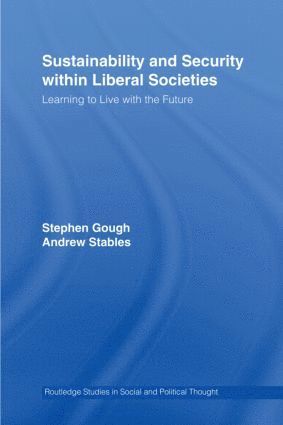
Sustainability and Security within Liberal Societies
Stephen Gough, Andrew Stables
Inbunden, 2008
3 209 kr
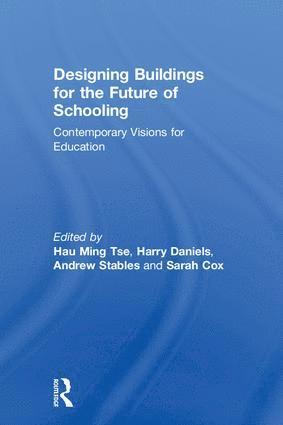
Designing Buildings for the Future of Schooling
Hau Ming Tse, Harry Daniels, Andrew Stables, Sarah Cox
Inbunden, 2018
3 309 kr
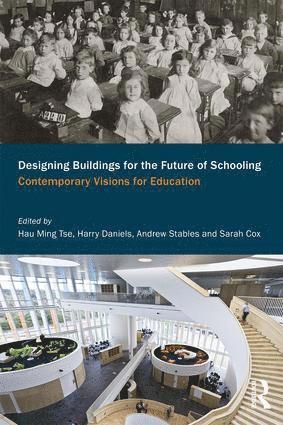
Designing Buildings for the Future of Schooling
Hau Ming Tse, Harry Daniels, Andrew Stables, Sarah Cox
Häftad, 2018
819 kr
Hoppa över listan



Mer från samma serie
Developing Student Criticality in Higher Education
Brenda Johnston, Peter Ford, Rosamond Mitchell, Florence Myles
Inbunden, 2011
3 349 kr
Developing Student Criticality in Higher Education
Brenda Johnston, Peter Ford, Rosamond Mitchell, Florence Myles
Häftad, 2012
699 kr
Hoppa över listan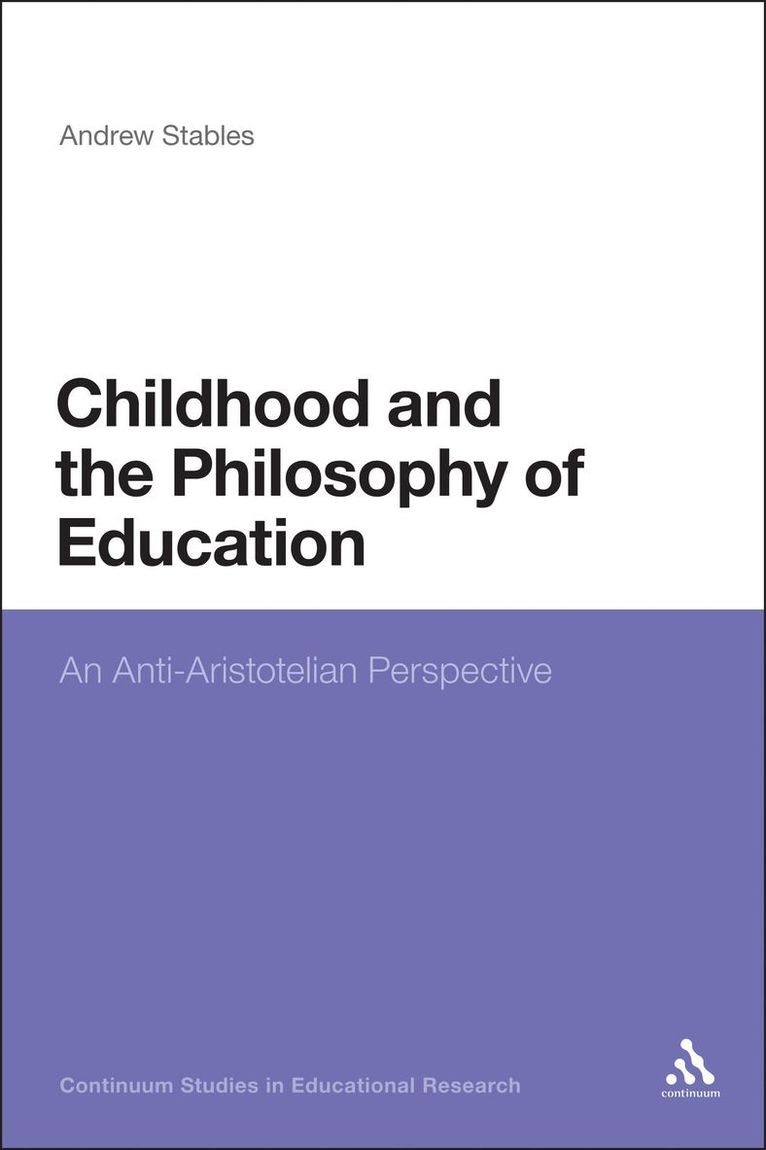
Du kanske också är intresserad av
53 Interesting Things to do in your Lectures
Anthony Haynes, Trevor Habeshaw, Sue Habeshaw, Karen Haynes, Graham Gibbs
Häftad, 2012
469 kr