
Chequered Past, Uncertain Future
The History of Pakistan
Inbunden, Engelska, 2024
429 kr
Skickas . Fri frakt för medlemmar vid köp för minst 249 kr.
A sweeping journey through the ebbs and flows of Pakistan’s history, from the ancient Indus Valley Civilization to contemporary times, this book not only uncovers the influences from Turkey, Persia, Arabia and Britain that have shaped this South Asian nation, but showcases the region’s diverse, rich tapestry of peoples, and Pakistan's pluralistic, multicultural society. Chequered Past, Uncertain Future describes the post-1947 shift – following the partition of India and the establishment of the Islamic Republic of Pakistan – as the country became more religiously conservative and autocratic, intensifying sectarian and ethnic divisions. For most of the country's history, the people of Pakistan have found themselves under the control of military dictators who suppress civil liberties and freedom of speech and action – a trend that persists today.
Produktinformation
- Utgivningsdatum2024-07-01
- Mått156 x 234 x 47 mm
- Vikt920 g
- FormatInbunden
- SpråkEngelska
- Antal sidor568
- FörlagReaktion Books
- ISBN9781789149135
Tillhör följande kategorier
Hoppa över listan
Mer från samma författare
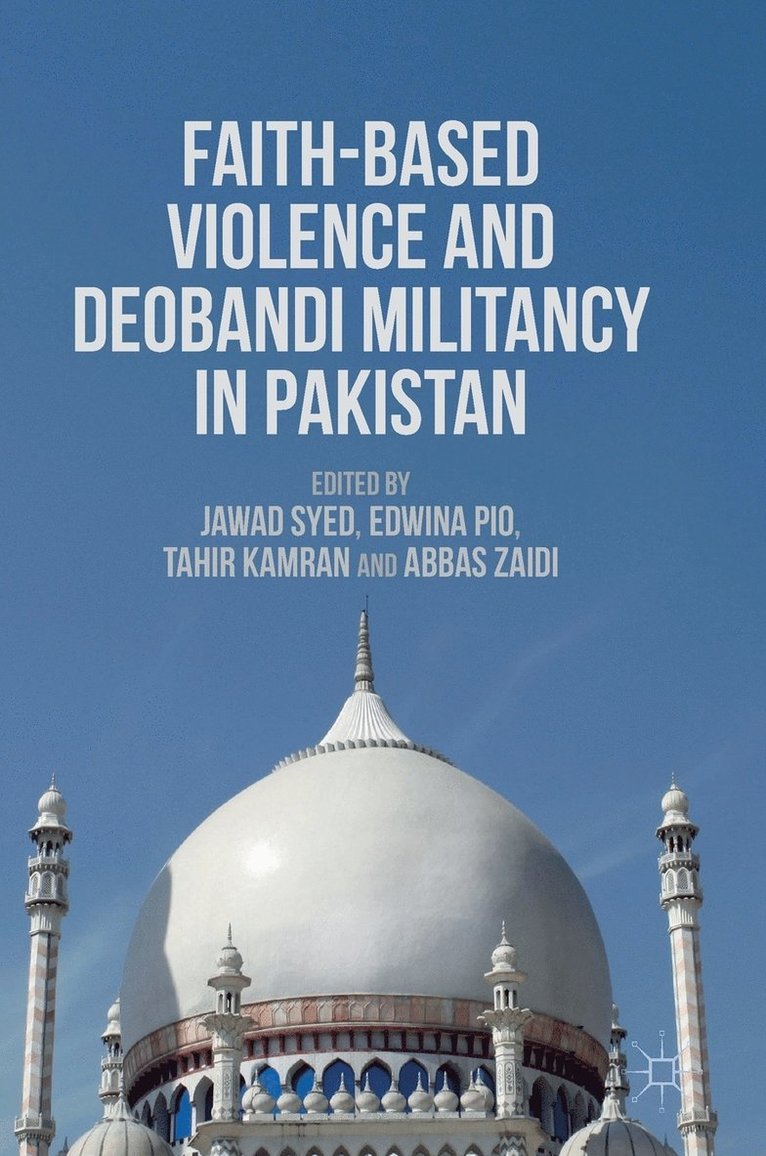
Faith-Based Violence and Deobandi Militancy in Pakistan
Jawad Syed, Edwina Pio, Tahir Kamran, Abbas Zaidi
Inbunden, 2016
2 149 kr
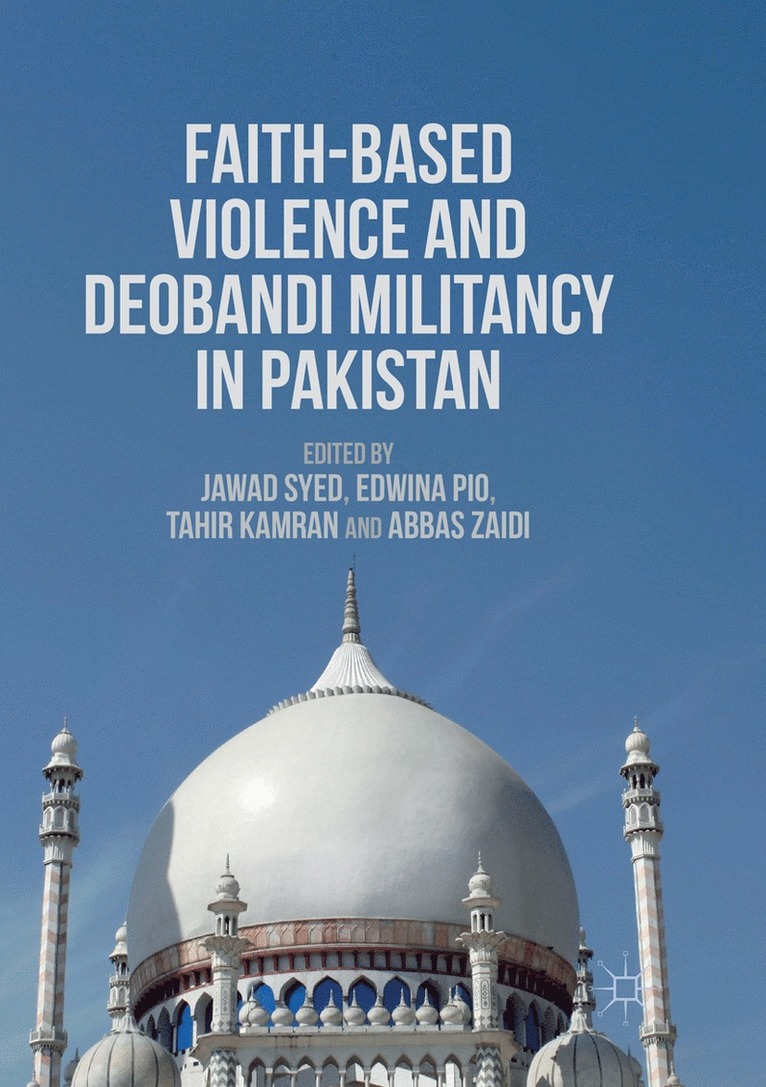
Faith-Based Violence and Deobandi Militancy in Pakistan
Jawad Syed, Edwina Pio, Tahir Kamran, Abbas Zaidi
Häftad, 2018
2 149 kr
Hoppa över listan




Du kanske också är intresserad av
Faith-Based Violence and Deobandi Militancy in Pakistan
Jawad Syed, Edwina Pio, Tahir Kamran, Abbas Zaidi
Inbunden, 2016
2 149 kr
Faith-Based Violence and Deobandi Militancy in Pakistan
Jawad Syed, Edwina Pio, Tahir Kamran, Abbas Zaidi
Häftad, 2018
2 149 kr
- Nyhet
Del 3
- Nyhet
Del 4
- Nyhet
Del 11
Del 3
- Nyhet
Del 6
Del 1