
Charitable Giving in Victorian Britain
The Legacy of Samuel Jones Loyd
Inbunden, Engelska, 2025
1 629 kr
Beställningsvara. Skickas inom 10-15 vardagar. Fri frakt för medlemmar vid köp för minst 249 kr.
This book examines the growth of charity in 19th century Britain through the lens of the philanthropic activities of Samuel Jones Loyd, 1st Baron Overstone, over a 40-year period.Sarah Flew incorporates comprehensive archival research, and analyses Samuel Jones Loyd’s financial ledgers and letters, in order to illuminate both Jones Loyd’s philanthropic motives, and broader social issues in Britain and abroad during the Victorian era. Structured around the different recipients of Jones Loyd’s 2,880 donations, this book offers detailed insight into the philanthropic market place of the 19th century, in addition to a variety of eminent social issues – such as the cholera outbreaks of 1849 and 1866, the education of children and adults, and emergency appeals at home and overseas.The author demonstrates how instances of charitable action widely increased during Victorian Britain through comprehensive exploration of Jones Loyd’s philanthropy, Against the backdrop of a growing British economy, this volume analyses the events contributing to the establishment of the Charity Commission in 1853, in addition to the expansion of voluntary agencies and funds. Ultimately, Flew crafts a detailed insight into the charitable landscape of 19th century Britain, and highlights how one forty-year period of giving can offer new perspectives on the social fabric of the period.
Produktinformation
- Utgivningsdatum2025-08-07
- Mått238 x 164 x 20 mm
- Vikt520 g
- FormatInbunden
- SpråkEngelska
- Antal sidor256
- FörlagBloomsbury Publishing PLC
- ISBN9781350424593
Tillhör följande kategorier
Hoppa över listan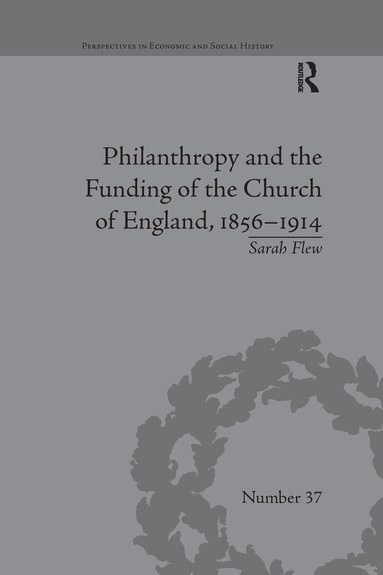






Du kanske också är intresserad av
- Nyhet
Del 3
- Nyhet
- Nyhet
Del 6
- Nyhet
Del 7
- Nyhet
Del 4
- Nyhet
Del 11
- Nyhet
- Nyhet
Del 3