
Chained to History
Slavery and US Foreign Relations to 1865
Inbunden, Engelska, 2022
2 189 kr
Beställningsvara. Skickas inom 10-15 vardagar. Fri frakt för medlemmar vid köp för minst 249 kr.
Finns i fler format (1)
Winner of the 2022 Phillis Wheatley Book Award, Historical-Academic NonfictionIn Chained to History, Steven J. Brady centers slavery in America's pre–Civil War foreign relations. From the aftermath of the American Revolution, Brady examines how slavery influenced military, economic, and moral diplomatic challenges. He demonstrates how slavery intertwined with America's foreign policy, affecting trade, extradition treaties, and military alliances.Brady highlights the constraints on American policymakers, who, despite an international shift toward abolition, were limited by the proslavery interests of the Democratic Party. As global powers abolished slavery, the American stance became increasingly untenable.From the Age of Revolutions through the Civil War, slavery consistently shaped US relations with the Atlantic World and beyond. Chained to History explores this crucial issue comprehensively, revealing how the practice of human bondage influenced America's reentry into the global community after 1865.
Produktinformation
- Utgivningsdatum2022-02-15
- Mått152 x 229 x 24 mm
- Vikt907 g
- FormatInbunden
- SpråkEngelska
- Antal sidor240
- FörlagCornell University Press
- ISBN9781501761058
Tillhör följande kategorier
Hoppa över listan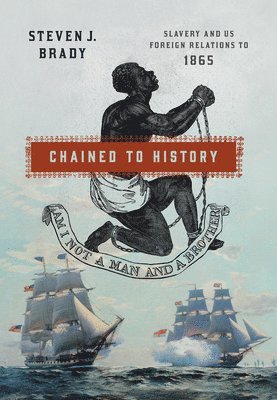






Du kanske också är intresserad av
- Nyhet
Del 4
- Nyhet
Del 1
- Nyhet
Del 11
- Nyhet
Del 6
Del 7
Del 3