
Censorship in Theatre and Cinema
Häftad, Engelska, 2005
949 kr
Beställningsvara. Skickas inom 3-6 vardagar. Fri frakt för medlemmar vid köp för minst 249 kr.
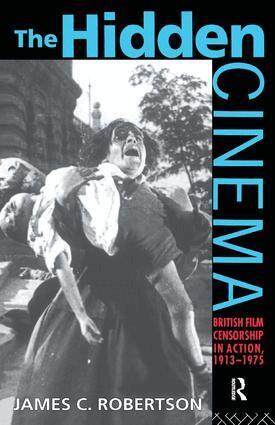
The first comparative study of censorship in theatre and cinema during the last century, this book examines notable twentieth-century cases involving the Lord Chamberlain’s theatre censorship and the British Board of Film Censors (BBFC). Anthony Aldgate and James C. Robertson have written extensively on the subject of stage and screen censorship, and here they utilise previously unpublished Lord Chamberlain’s censorship sources as well as hitherto unexplored BBFC files. They show how the two censorship agencies operated, with some interaction between them, over such controversial matters as sex, foreign affairs, juvenile crime, single-sex relationships, the ‘swinging’ 1960s, horror, religion and other contentious material. This wide-ranging study concludes by explaining why theatre censorship was abolished in 1968 whereas the BBFC has survived until the present day. Censorship in Theatre and Cinema is a valuable contribution to media history with implications for the practice of censorship in Britain today.Features* The first comparative study of censorship in both theatre and cinema* Accessible to both specialist and general readers alike* Covers both American and British stage and screen properties* Includes detailed analysis of various case studies to illustrate censorship procedures in action.
Produktinformation
- Utgivningsdatum2005-04-29
- Mått156 x 234 x 22 mm
- Vikt364 g
- FormatHäftad
- SpråkEngelska
- Antal sidor208
- FörlagEdinburgh University Press
- ISBN9780748619610
Tillhör följande kategorier
Hoppa över listan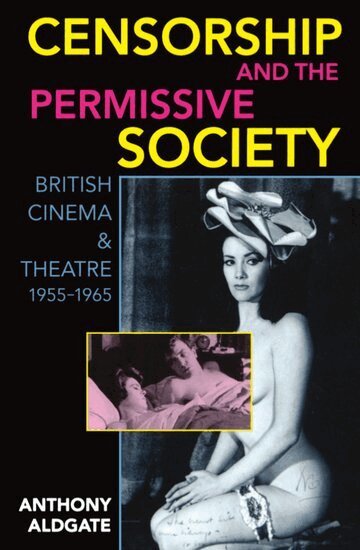
Du kanske också är intresserad av
Atlas of Global Conservation
Jonathan Hoekstra, Jennifer L. Molnar, Michael Jennings, Carmen Revenga, Mark D. Spalding, Timothy M. Boucher, James C. Robertson, Thomas J. Heibel, Katherine Ellison
Inbunden, 2010
669 kr