
Del 69
Del i serien Among the Victorians and Modernists
Catherine Crowe: Gender, Genre, and Radical Politics
Inbunden, Engelska, 2020
3 199 kr
Beställningsvara. Skickas inom 10-15 vardagar. Fri frakt för medlemmar vid köp för minst 249 kr.
Finns i fler format (1)
This is the first full-length study of the popular Victorian writer Catherine Crowe (1790-1872). Crowe is increasingly being recognised as an important and influential figure in the literary and Spiritualist circles of the nineteenth century. This monograph offers a reassessment of her major works, arguing that her writing was prescient. Best known today for her collection of "real" ghost tales The Night Side of Nature: Or Ghosts and Ghost Seers, Crowe also wrote five popular novels, as well as numerous short stories and essays. Innovative and sometimes original in their use of genre, her works covered the Newgate genre, helped to initiate detective fiction, included elements of the social problem novels of the 1840s, and pointed the way to the Sensation novels of the 1860s. Politically radical in many ways Crowe was vocal about women’s oppression by men, social inequality, poverty, slavery, and animal rights. This volume aims to restore an author who was once famous and lauded to her proper place in the scholarly discussion of Victorian Literature.
Produktinformation
- Utgivningsdatum2020-09-02
- Mått152 x 229 x 21 mm
- Vikt453 g
- FormatInbunden
- SpråkEngelska
- SerieAmong the Victorians and Modernists
- Antal sidor216
- FörlagTaylor & Francis Ltd
- ISBN9780367543327
Tillhör följande kategorier
Hoppa över listan
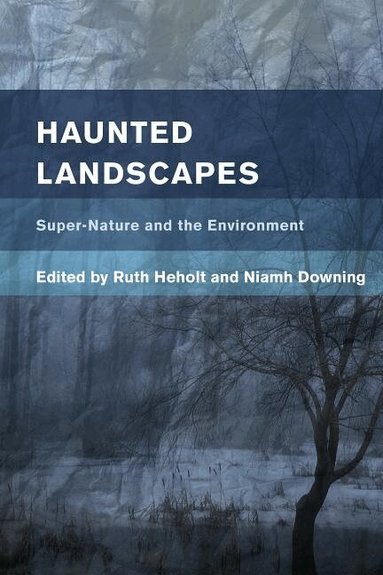
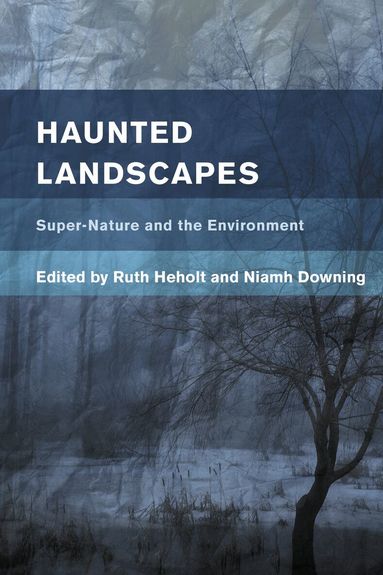
Mer från samma författare
Gothic Masculinities in the Victorian Age
Ruth Heholt, Mariaconcetta Costantini
Inbunden, 2026
1 159 kr
Hoppa över listan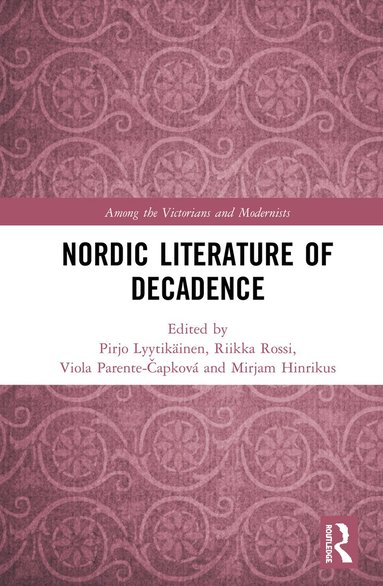

Mer från samma serie
Nordic Literature of Decadence
Pirjo Lyytikäinen, Riikka Rossi, Viola Parente-Čapková, Mirjam Hinrikus
Inbunden, 2019
3 769 kr
Threatened Masculinity from British Fiction to Cold War German Cinema
Joseph Willis
Inbunden, 2019
3 769 kr