
Del i serien Music and Change: Ecological Perspectives
Caring for Music
- Nyhet
Musical Life, Late Life
Häftad, Engelska, 2026
779 kr
Beställningsvara. Skickas inom 10-15 vardagar. Fri frakt för medlemmar vid köp för minst 249 kr.
Finns i fler format (1)
Caring for Music describes musical life in Hill House, a residential care home and the site of the AHRC Care for Music research project (https://careformusic.org/) which ran from 2018–2023.The book’s primary aim is to let the people and situations involved show readers, from the inside of musical engagement, what can happen when music is present in scenes of care in late life – when people care for music. Watching what happens when music happens can illuminate how people in situations of residential care, whether they are residents, care staff, friends, loved ones or researchers, can enjoy good moments together – meaningful, creative, festive, beautiful, mutually supportive.At the same time, the book cautions against the tendency of painting a too-rosy picture of music’s powers to ‘fix’ things. It offers an alternate model of music as a medium of connection. The book suggests that much can be gained by rethinking the dominant model within the literature on music and late life, dementia, health. It proposes a perspective in which music is not for ‘people with disabilities’ but instead a medium – of pleasure, meaning, beauty and relationship – that is enacted jointly.
Produktinformation
- Utgivningsdatum2026-10-07
- Mått156 x 234 x undefined mm
- Vikt540 g
- FormatHäftad
- SpråkEngelska
- SerieMusic and Change: Ecological Perspectives
- Antal sidor278
- FörlagTaylor & Francis Ltd
- ISBN9781041166573
Tillhör följande kategorier
Hoppa över listan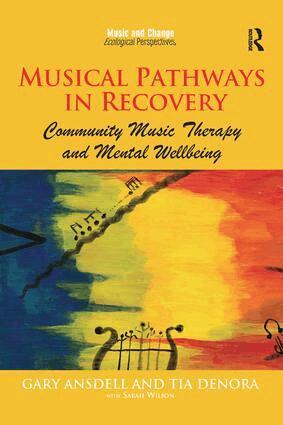
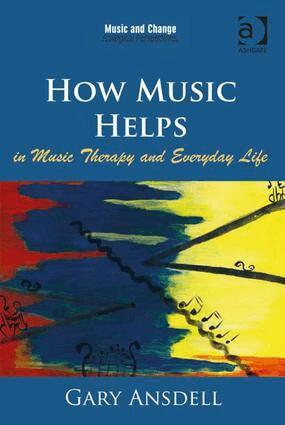





Mer från samma författare
Music for Life: Aspects of Creative Music Therapy with Adult Clients
Gary Ansdell, Ansdell
Häftad, 1995
329 kr
Hoppa över listan
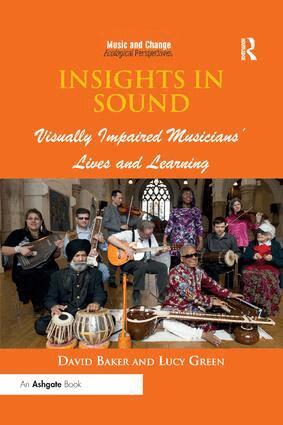




Mer från samma serie
Passion for Music: A Sociology of Mediation
Antoine Hennion, translated by Margaret Rigaud
Häftad, 2020
909 kr
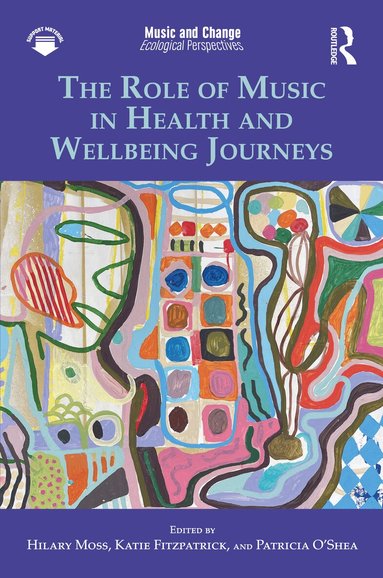
Role of Music in Health and Wellbeing Journeys
Hilary Moss, Katie Fitzpatrick, Patricia O'Shea
Inbunden, 2026
3 339 kr
Hoppa över listan

Du kanske också är intresserad av
- Nyhet
Music for Life: Aspects of Creative Music Therapy with Adult Clients
Gary Ansdell, Ansdell
Häftad, 1995
329 kr