
Del i serien Routledge Studies in Twentieth-Century Philosophy
Camus and Fanon on the Algerian Question
An Ethics of Rebellion
Inbunden, Engelska, 2022
2 719 kr
Beställningsvara. Skickas inom 10-15 vardagar. Fri frakt för medlemmar vid köp för minst 249 kr.
Finns i fler format (1)
This is the first book to offer a systematic comparison of the philosophies of Albert Camus and Frantz Fanon. It shows how the ethical, political, and psychological outlooks of these two influential thinkers can further our understandings of how to bring about justice in the face of deep power imbalances.The author foregrounds the bloody Algerian War of Independence in his analysis of the philosophies of Camus and Fanon. Although neither supported French colonial occupation of Algeria, they held radically different views of the conflict. Fanon supported emancipation through violence, which the author argues has been uncritically romanticized. Camus, on the other hand, supported an ethics of moderation that shunned indiscriminate violence. The author argues that Camus has been unfairly accused of being an apologist for colonialism. Finally, the author draws out the common endorsement of humanist values that drive both Camus’ and Fanon’s thought.Camus and Fanon on the Algerian Question will appeal to scholars and advanced students interested in twentieth-century Continental philosophy, postcolonialism, existentialism, and African philosophy.
Produktinformation
- Utgivningsdatum2022-12-09
- Mått152 x 229 x 17 mm
- Vikt470 g
- FormatInbunden
- SpråkEngelska
- SerieRoutledge Studies in Twentieth-Century Philosophy
- Antal sidor10
- FörlagTaylor & Francis Ltd
- ISBN9780367745981
Tillhör följande kategorier
Hoppa över listan


Mer från samma serie
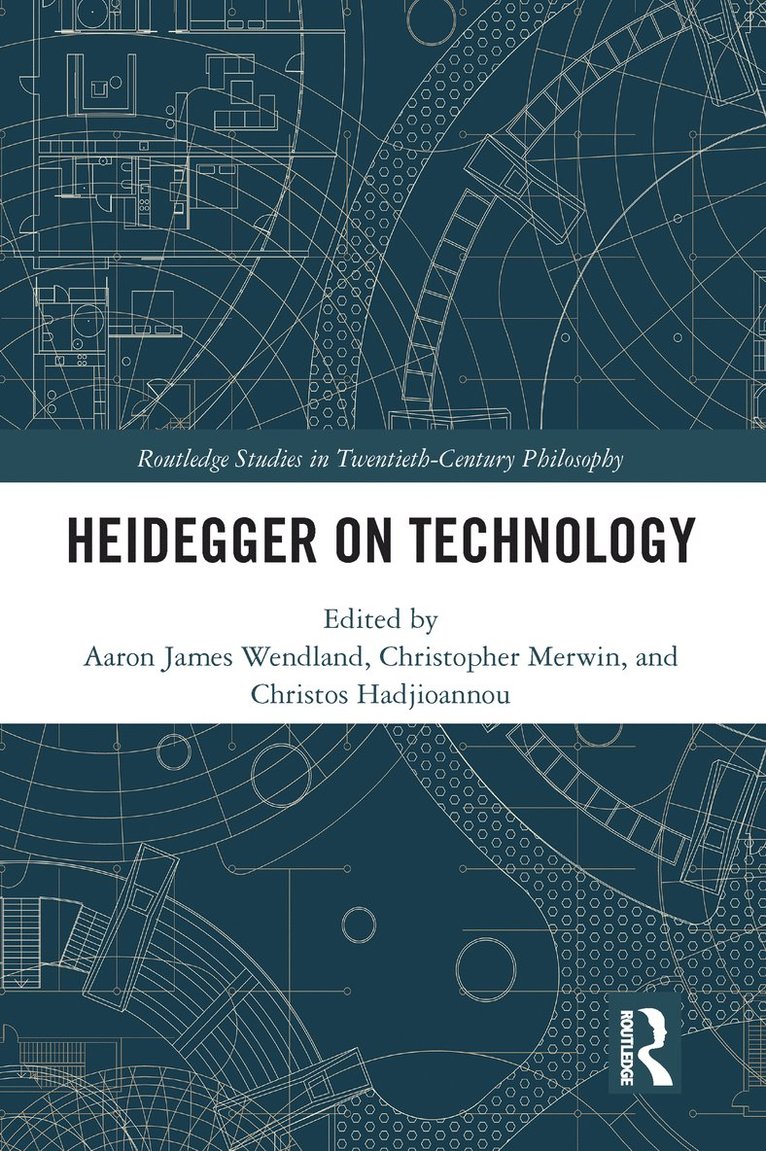
Heidegger on Technology
Aaron James Wendland, Christopher Merwin, Christos Hadjioannou
Häftad, 2020
939 kr
Hoppa över listan









Du kanske också är intresserad av
- Nyhet
Del 3
- Nyhet
Del 11
- Nyhet
Del 2
Del 1
- Nyhet
Del 4
- Nyhet
Del 4
Del 3