
Del 21
Del i serien Critical Connections
Butler and Ethics
Häftad, Engelska, 2017
489 kr
Beställningsvara. Skickas inom 11-20 vardagar. Fri frakt för medlemmar vid köp för minst 249 kr.
Finns i fler format (1)
Judith Butler is best known for Gender Trouble (1990), the book that introduced the idea of gender performativity. However, with the publication of Giving an Account of Oneself in 2005, it appeared that her work had taken a different turn: away from considerations of sex, gender, sexuality and politics, and towards ethics. Bringing together a group of internationally renowned theorists, these 9 essays ask whether there has been an ‘ethical turn’ in Butler's work, exploring how ethics relate to politics and how they connect to her increasing concern with violence, war and conflict.
Produktinformation
- Utgivningsdatum2017-04-16
- Mått156 x 234 x 16 mm
- Vikt362 g
- FormatHäftad
- SpråkEngelska
- SerieCritical Connections
- Antal sidor232
- FörlagEdinburgh University Press
- ISBN9780748678853
Tillhör följande kategorier
Hoppa över listan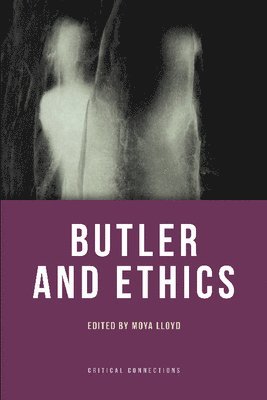









Du kanske också är intresserad av
Del 21
Del 20
Claude Chabrol's Aesthetics of Opacity
Catherine Dousteyssier-Khoze, Catherine Dousteyssier-Khoze
Inbunden, 2017
2 619 kr
- Nyhet
Del 11