
Del i serien Palgrave Studies in the History of Finance
British Imperialism and the Making of Colonial Currency Systems
Inbunden, Engelska, 2016
1 929 kr
Beställningsvara. Skickas inom 10-15 vardagar. Fri frakt för medlemmar vid köp för minst 249 kr.
Finns i fler format (1)
Based on archival research covering more than two centuries and most former British colonies (West Indies, India, Singapore, Malaya, West Africa and East Africa), this book is a revisionist history of the British imperial manipulations of colonial currency systems to facilitate the rise of sterling to world supremacy via the gold standard, and to slow its eventual decline after World War II. Britain forcibly replaced international currencies, including gold and sterling itself, by new localised silver currencies, backed by gold and sterling reserves in London, under the total control of the British Treasury and the powerful influence of the Bank of England. Ignoring colonial needs, imperial decision-makers continuously over-ruled colonial governments, commercial interest in colonies (British and local), Colonial Office and the Crown Agents, to support liquidity in the London Money Market, convertibility of sterling, export of British capital, and cheap readilyavailable finance for the British Government. Academia, including Keynes and institutions like the London School of Economics, are shown to have played supporting roles. This book is valuable reading for academics and students interested in theories of imperialism, colonial underdevelopment, money (national and international) and related topics such as currency areas and exchange rates. Its comprehensive index links monetary concepts to actual events in the British Empire, with pointers to new research areas. This account of the rise and fall of sterling as a world currency may have lessons for the future trajectories of the US dollar, Euro, Chinese renminbi and the Indian rupee.
Produktinformation
- Utgivningsdatum2016-04-08
- Mått140 x 216 x 23 mm
- Vikt594 g
- FormatInbunden
- SpråkEngelska
- SeriePalgrave Studies in the History of Finance
- Antal sidor356
- Upplaga16001
- FörlagPalgrave Macmillan
- ISBN9781137553171
Tillhör följande kategorier
Hoppa över listan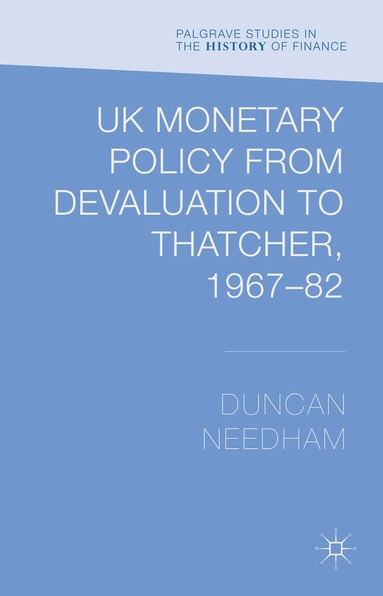
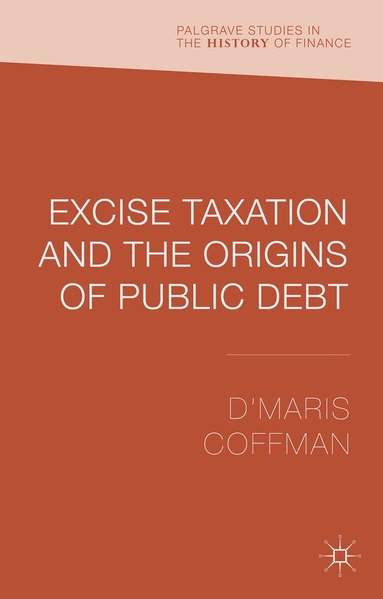
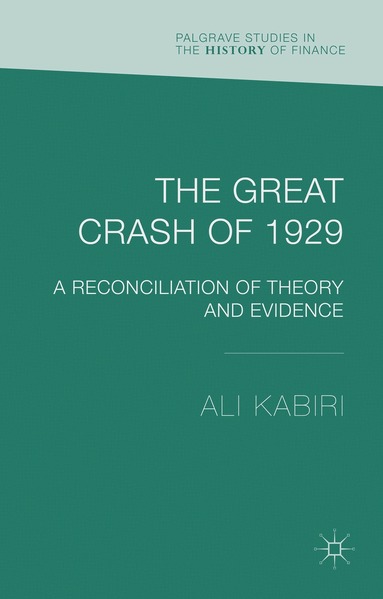
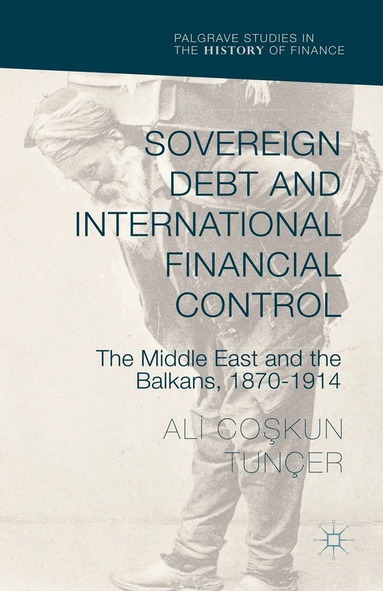
Mer från samma serie
Dangerous and Dishonest Men: The International Bankers of Louis XIV's France
G. Rowlands
Inbunden, 2014
1 779 kr
Conservative Economic Policymaking and the Birth of Thatcherism, 1964-1979
Adrian Williamson
Inbunden, 2015
2 009 kr
Hoppa över listan







Du kanske också är intresserad av
- Nyhet
Del 7
- Nyhet
Del 4
- Nyhet
Del 6
- Nyhet
Del 3
- Nyhet
- Nyhet
Del 11
- Nyhet
- Nyhet
Del 1