
Del i serien Routledge Studies in the Modern History of Asia
Britain's Imperial Retreat from China, 1900-1931
Inbunden, Engelska, 2016
3 379 kr
Beställningsvara. Skickas inom 10-15 vardagar. Fri frakt för medlemmar vid köp för minst 249 kr.
Finns i fler format (1)
Britain’s relationship with China in the nineteenth and early twentieth century is often viewed in terms of gunboat diplomacy, unequal treaties, and the unrelenting pursuit of Britain’s own commercial interests. This book, however, based on extensive original research, demonstrates that in Britain after the First World War a combination of liberal, Labour party, pacifist, missionary and some business opinion began to argue for imperial retreat from China, and that this movement gathered sufficient momentum for a sympathetic attitude to Chinese demands becoming official Foreign Office policy in 1926. The book considers the various strands of this movement, relates developments in Britain to the changing situation in China, especially the rise of nationalism and the Guomindang, and argues that, contrary to what many people think, the reassertion of China’s national rights was begun successfully in this period rather than after the Communist takeover in 1949.
Produktinformation
- Utgivningsdatum2016-07-21
- Mått156 x 234 x 19 mm
- Vikt640 g
- FormatInbunden
- SpråkEngelska
- SerieRoutledge Studies in the Modern History of Asia
- Antal sidor262
- FörlagTaylor & Francis Ltd
- ISBN9781138909847
Tillhör följande kategorier
Hoppa över listan


Mer från samma serie
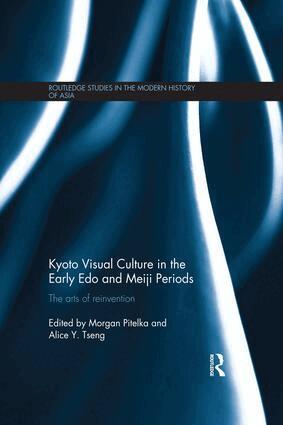
Kyoto Visual Culture in the Early Edo and Meiji Periods
Morgan Pitelka, Alice Y. Tseng
Häftad, 2019
1 009 kr
Hoppa över listan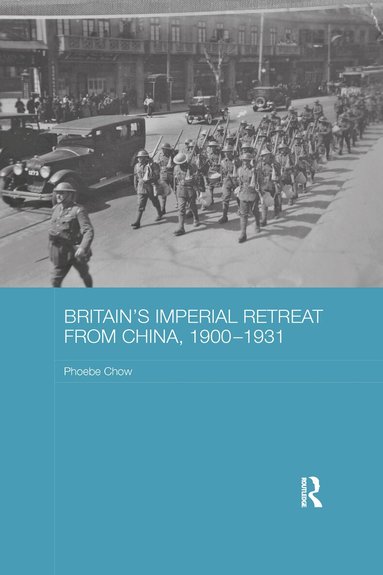








Du kanske också är intresserad av
- Nyhet
Del 6
- Nyhet
Del 7
- Nyhet
Del 3
- Nyhet
Del 4
- Nyhet
- Nyhet
Del 11
- Nyhet
- Nyhet
Del 3
- Nyhet