
Del i serien Anchor Yale Bible Reference Library
Body Language
- Nyhet
Voice, Embodiment, and Textuality in the Hebrew Bible
Inbunden, Engelska, 2026
639 kr
Beställningsvara. Skickas inom 5-8 vardagar. Fri frakt för medlemmar vid köp för minst 249 kr.
A revelatory study of embodied voice and its function in biblical textsPerformance, transmission, and corporeality were essential to ancient understandings of textuality. Far more than an aide-mémoire, written text constituted a powerful mechanism for capturing and transmitting embodied vocal presence. In this bold and provocative book, Jacqueline Vayntrub demonstrates how embedded concepts of embodied speechmaking shaped a tradition of aesthetics and interpretation in the Hebrew Bible.For authors and readers alike, biblical texts functioned as vessels containing voices for posterity, preserving otherwise fleeting moments of performance and transporting audiences into an idealized or stylized past. Through incisive readings of passages from diverse genres and examinations of the social and material dimensions of speech in the ancient Near East, Vayntrub offers a striking reconceptualization of the biblical authors’ understanding of literary craft.
Produktinformation
- Utgivningsdatum2026-08-25
- Mått156 x 235 x 24 mm
- Vikt498 g
- FormatInbunden
- SpråkEngelska
- SerieAnchor Yale Bible Reference Library
- Antal sidor232
- FörlagYale University Press
- ISBN9780300230901
Tillhör följande kategorier
Hoppa över listan
Mer från samma författare
1 Peter
David G. Horrell, Travis B. Williams, Christopher M. Tuckett, Christopher M Tuckett, Stuart Weeks, Jacqueline Vayntrub
Inbunden, 2023
1 549 kr
Ecclesiastes 1-5
Stuart Weeks, Christopher M. Tuckett, Christopher M Tuckett, Stuart Weeks, Jacqueline Vayntrub
Inbunden, 2020
1 999 kr
Hosea (ICC)
A.A. Macintosh, Christopher M. Tuckett, Christopher M Tuckett, Stuart Weeks, Jacqueline Vayntrub
Häftad, 2014
789 kr
Ben Sira 1.1-11.6
Jeremy Corley, Bradley Gregory, Christopher M Tuckett, Stuart Weeks, Jacqueline Vayntrub
Inbunden, 2027
1 329 kr
John 1-6
Martinus C. de Boer, Christopher M. Tuckett, Christopher M Tuckett, Stuart Weeks, Jacqueline Vayntrub
Inbunden, 2025
1 549 kr
Ecclesiastes 5-12
Stuart Weeks, Christopher M. Tuckett, Christopher M Tuckett, Stuart Weeks, Jacqueline Vayntrub
Inbunden, 2021
1 549 kr
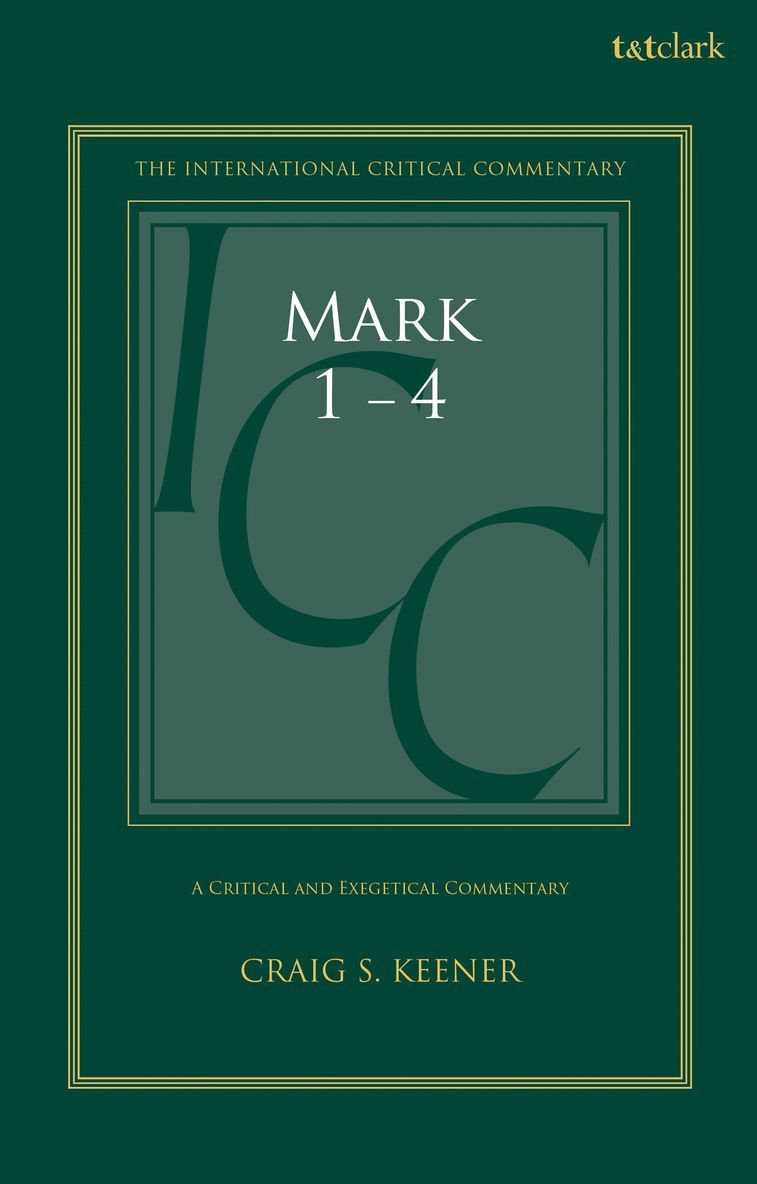
Mark 1-4
Craig S. Keener, Christopher M. Tuckett, Christopher M Tuckett, Stuart Weeks, Jacqueline Vayntrub
Inbunden, 2026
1 359 kr
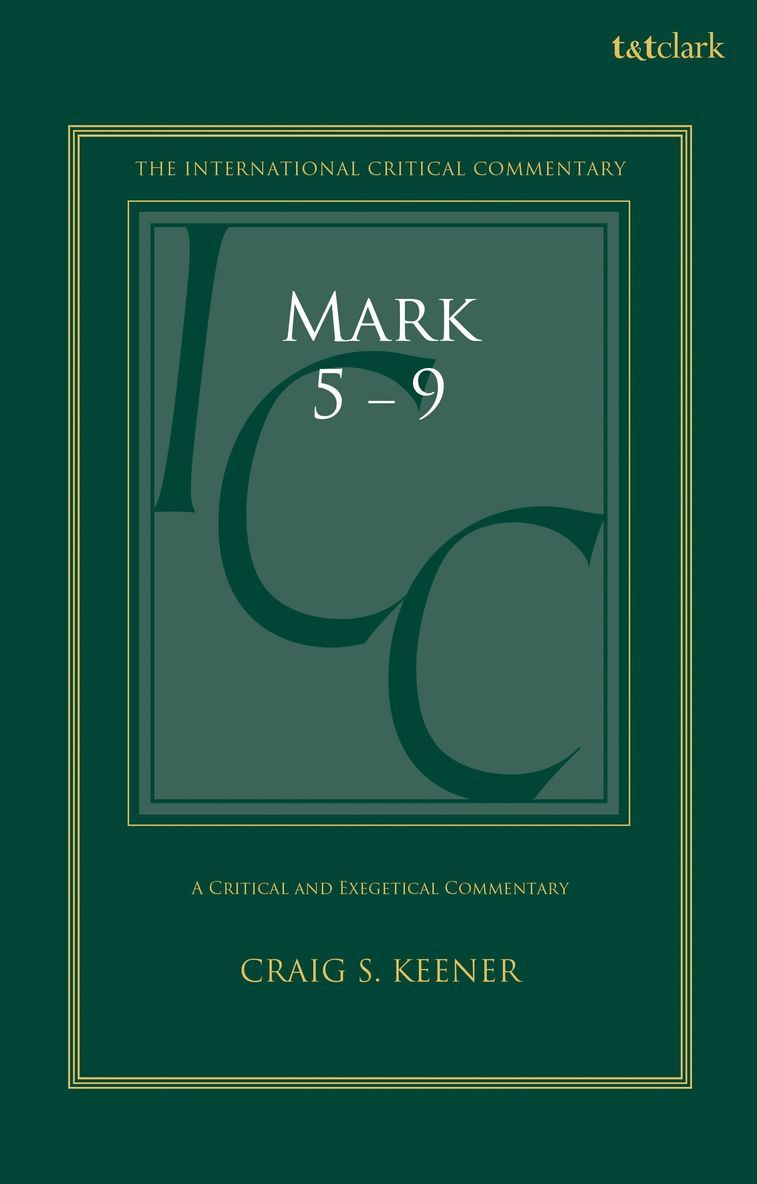
Mark 5-9
Craig S. Keener, Christopher M. Tuckett, Christopher M Tuckett, Stuart Weeks, Jacqueline Vayntrub
Inbunden, 2026
1 359 kr
Hoppa över listan

Du kanske också är intresserad av
Ecclesiastes 5-12
Stuart Weeks, Christopher M. Tuckett, Christopher M Tuckett, Stuart Weeks, Jacqueline Vayntrub
Inbunden, 2021
1 549 kr
Mark's Gospel
Craig S. Keener, Christopher M. Tuckett, Christopher M Tuckett, Stuart Weeks, Jacqueline Vayntrub
Inbunden, 2026
1 369 kr
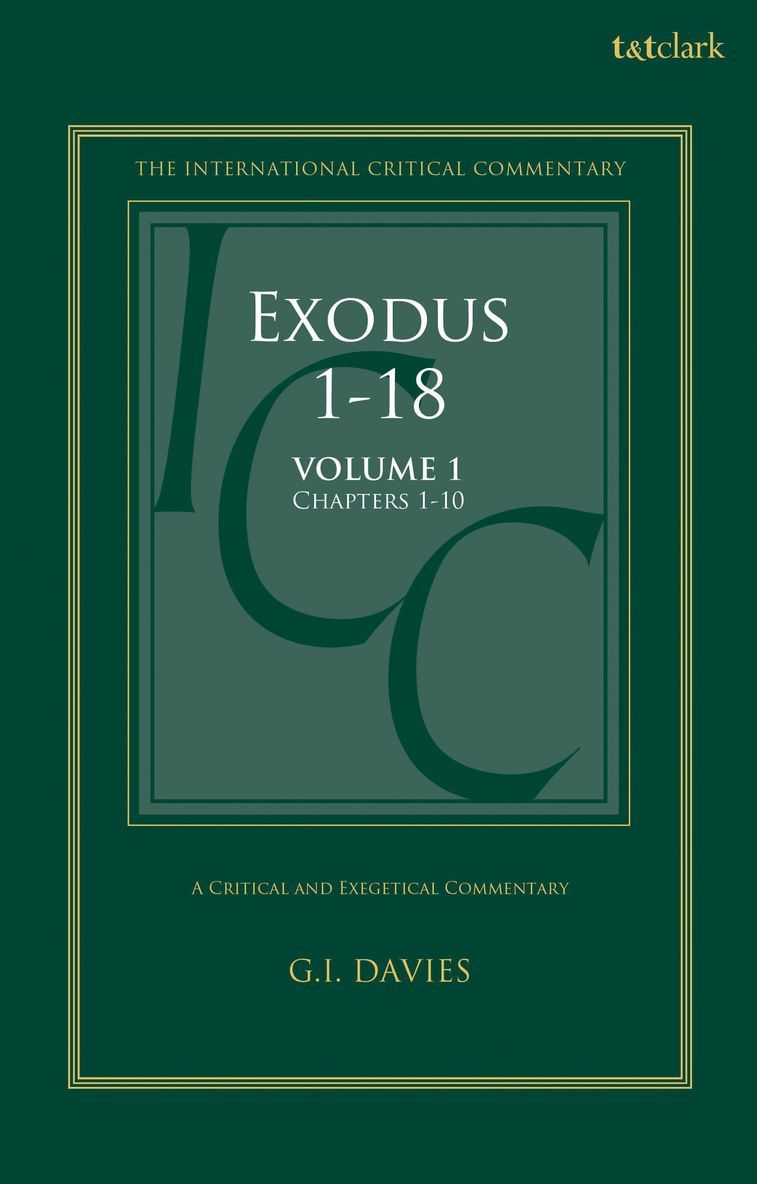
Exodus 1-18: A Critical and Exegetical Commentary
Graham I. Davies, Christopher M. Tuckett, Christopher M Tuckett, Stuart Weeks, Jacqueline Vayntrub
Inbunden, 2020
1 729 kr
Synoptic Perspectives
Lydie Kucová, Laura Quick, Jacqueline Vayntrub, James K Aitken
Inbunden, 2021
1 879 kr
1 Peter
David G. Horrell, Travis B. Williams, Christopher M. Tuckett, Christopher M Tuckett, Stuart Weeks, Jacqueline Vayntrub
Inbunden, 2023
1 549 kr
- Nyhet
Divine Masculinity in the Book of Samuel
Barbara Thiede, Laura Quick, Jacqueline Vayntrub
Inbunden, 2026
1 639 kr
Religion in Ancient Israel
Katherine E Southwood, Laura Quick, Stuart Weeks, Jacqueline Vayntrub, H G M Williamson
Häftad, 2027
649 kr