
Del i serien Global Critical Caribbean Thought
Blackening Britain
Caribbean Radicalism from Windrush to Decolonization
Inbunden, Engelska, 2020
1 999 kr
Beställningsvara. Skickas inom 10-15 vardagar. Fri frakt för medlemmar vid köp för minst 249 kr.
Finns i fler format (1)
Covering the period from the interwar years through the arrival of the steamship SS Empire Windrush from Jamaica in 1948 and culminating in the period of decolonization in the British Caribbean by the early 1970s, this project situates the development of networks of communication, categories of identification, and Caribbean radical politics both in the metropole and abroad. Blackening Britain explores how articulations of Caribbean identity formation corresponded to the following themes: organic collective action, political mobilization, cultural expressions of shared consciousness, and novel patterns of communication. Blackening Britain shows how colonial migrants developed tools of resistance in the imperial center predicated on their racialized consciousness that emerged from their experiences of alienation and discrimination in Britain. This book also interrogates the ways in which prominent West Indian activists, intellectuals, political actors, and artists conceived of their relationship to Britain. Ultimately, this work shows a move away from British identity and a radical, revolutionary consciousness rooted in the West Indian background and forged in the contentious space of metropolitan Britain.
Produktinformation
- Utgivningsdatum2020-12-10
- Mått163 x 238 x 22 mm
- Vikt526 g
- FormatInbunden
- SpråkEngelska
- SerieGlobal Critical Caribbean Thought
- Antal sidor270
- FörlagBloomsbury Publishing Plc
- ISBN9781538143544
Tillhör följande kategorier
Hoppa över listan


Mer från samma serie
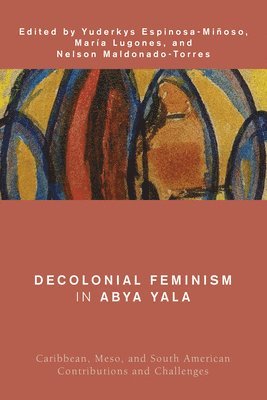
Decolonial Feminism in Abya Yala
Yuderkys Espinosa-Miñoso, María Lugones, Nelson Maldonado-Torres
Inbunden, 2022
1 999 kr
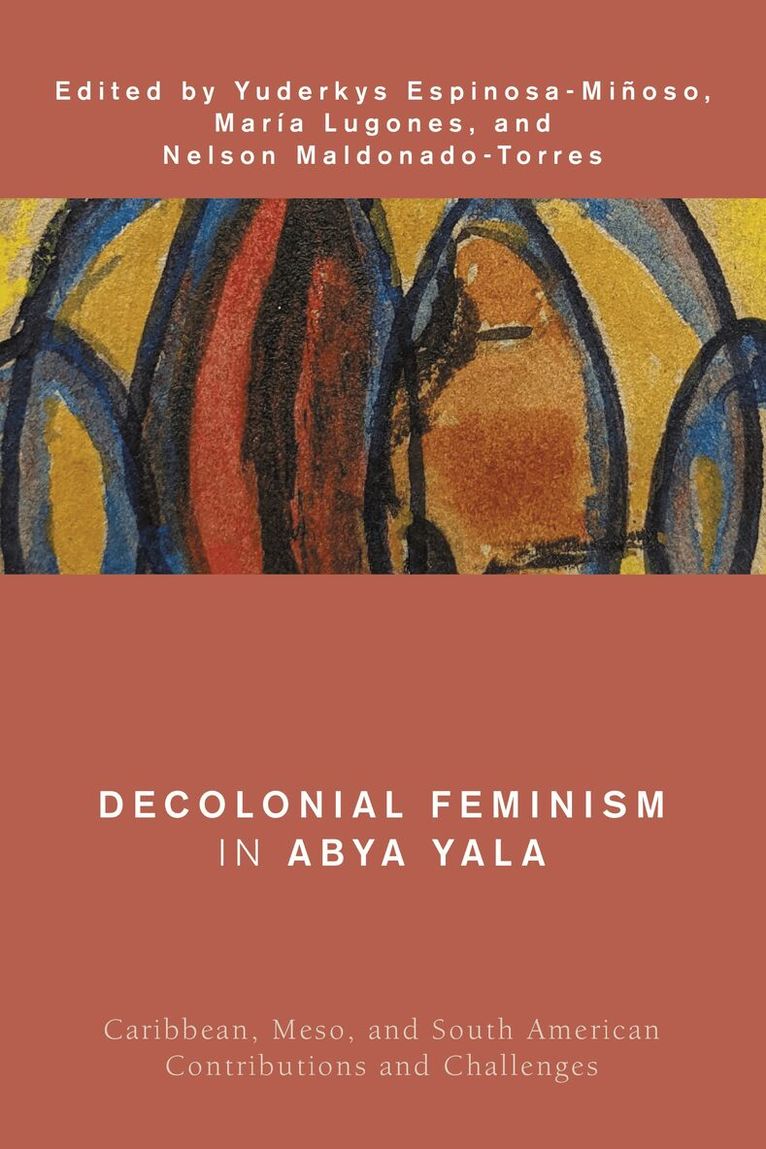
Decolonial Feminism in Abya Yala
Yuderkys Espinosa-Miñoso, María Lugones, Nelson Maldonado-Torres
Häftad, 2024
589 kr
Hoppa över listan


Du kanske också är intresserad av
Decolonial Feminism in Abya Yala
Yuderkys Espinosa-Miñoso, María Lugones, Nelson Maldonado-Torres
Inbunden, 2022
1 999 kr