
Biological Bases of Economic Behaviour
A Concise Introduction
Häftad, Engelska, 2015
509 kr
Beställningsvara. Skickas inom 10-15 vardagar. Fri frakt för medlemmar vid köp för minst 249 kr.
Human genetics has changed little over the past 20,000 years, but human economic behaviour has changed a lot. These changes are probably due to human cultural evolution. But studies of human hunter-gatherers, and of a variety of other animal species, show that their micro-economic behaviour is much the same. Whereas the standard economic analysis focuses on money, the biological approach brings time and energy into the analysis. Moreover, humans and other animals tested under laboratory conditions do not exhibit the complexity of the results of field studies. In other words, results obtained in the real world are not the same as those obtained in the laboratory. The Biological Bases of Economic Behaviour invites readers to approach micro-economics from a biological viewpoint, in a clear and introductory manner.
Produktinformation
- Utgivningsdatum2015-11-30
- Mått140 x 216 x 10 mm
- Vikt182 g
- FormatHäftad
- SpråkEngelska
- Antal sidor122
- Upplaga2016
- FörlagPalgrave Macmillan
- ISBN9781137568083
Tillhör följande kategorier
Hoppa över listan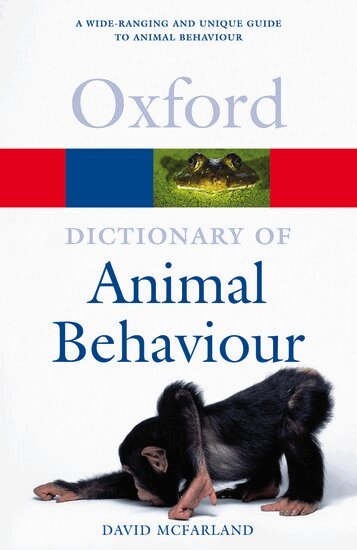
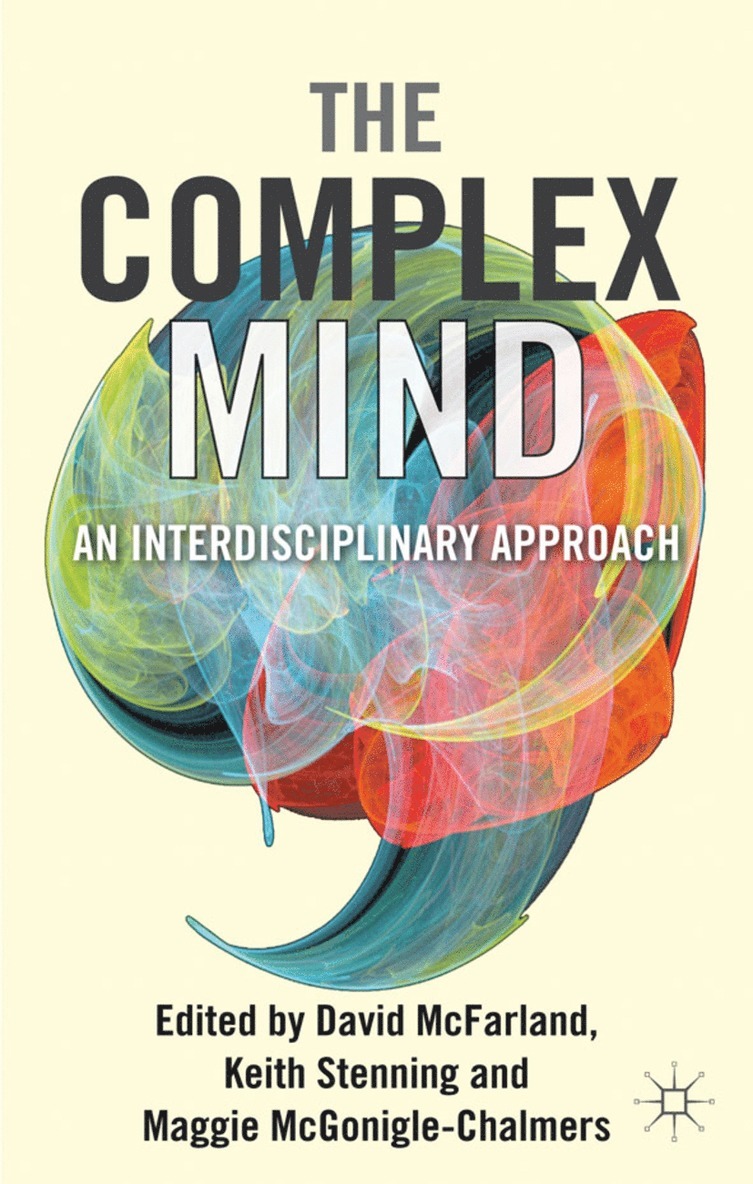
Mer från samma författare
Complex Mind
David McFarland, Keith Stenning, Maggie McGonigle, David McFarland, Keith Stenning
Inbunden, 2012
1 359 kr
Hoppa över listan
Du kanske också är intresserad av
Complex Mind
David McFarland, Keith Stenning, Maggie McGonigle, David McFarland, Keith Stenning
Inbunden, 2012
1 359 kr
- Nyhet
Del 1
