
Del i serien Penn State Series in the History of the Book
Biography of a Book
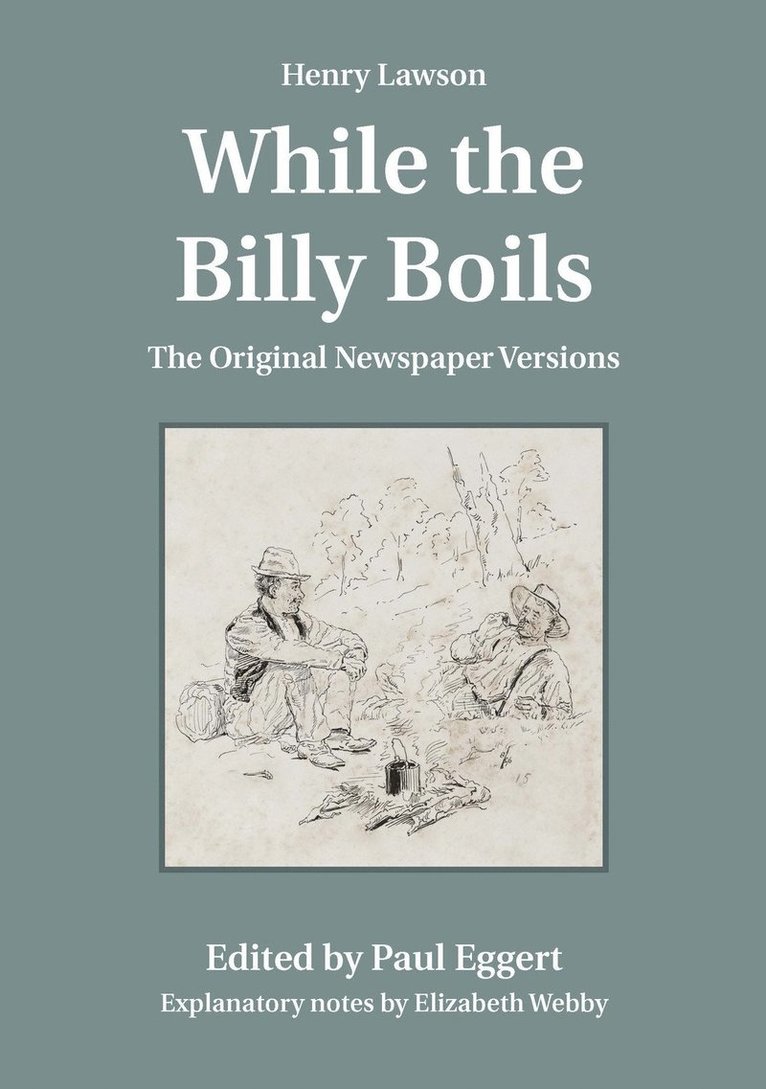
Henry Lawson's While the Billy Boils
Häftad, Engelska, 2013
999 kr
Beställningsvara. Skickas inom 3-6 vardagar. Fri frakt för medlemmar vid köp för minst 249 kr.
Finns i fler format (2)
Biography of a Book traces the life of an iconic Australian literary work in the lead-up to, and for a century after, its initial publication: Henry Lawson's 1896 collection While the Billy Boils. Paul Eggert follows Lawson's gradual development of a pared-back bush realism in the early 1890s, as he struggled to forge a career, writing short stories and sketches for the newspapers. Lawson’s famous collection came out at a decisive moment for the development of a fully professional Australian literary publishing industry, then in its infancy in Sydney. The volume’s editing, design, and production were collaborative events that changed the feel and nature of Lawson’s writing. He had to give ground on the order in which his stories were presented and even on their texts—especially the idiosyncratic wordings that helped breathe life into his characters.While the Billy Boils went on to be reprinted and repackaged countless times. Its production and reception histories act like a geological cross section, revealing the contours of successive cultural formations in Australia. In unraveling the life of Lawson’s classic work, Eggert’s book-historical approach challenges and clarifies established understandings of crucial moments in Australian literary history and of Lawson himself.
Produktinformation
- Utgivningsdatum2013-11-06
- Mått140 x 216 x 30 mm
- Vikt544 g
- FormatHäftad
- SpråkEngelska
- SeriePenn State Series in the History of the Book
- Antal sidor432
- FörlagPennsylvania State University Press
- ISBN9780271061979
Tillhör följande kategorier
Hoppa över listan



Mer från samma serie
Del 15
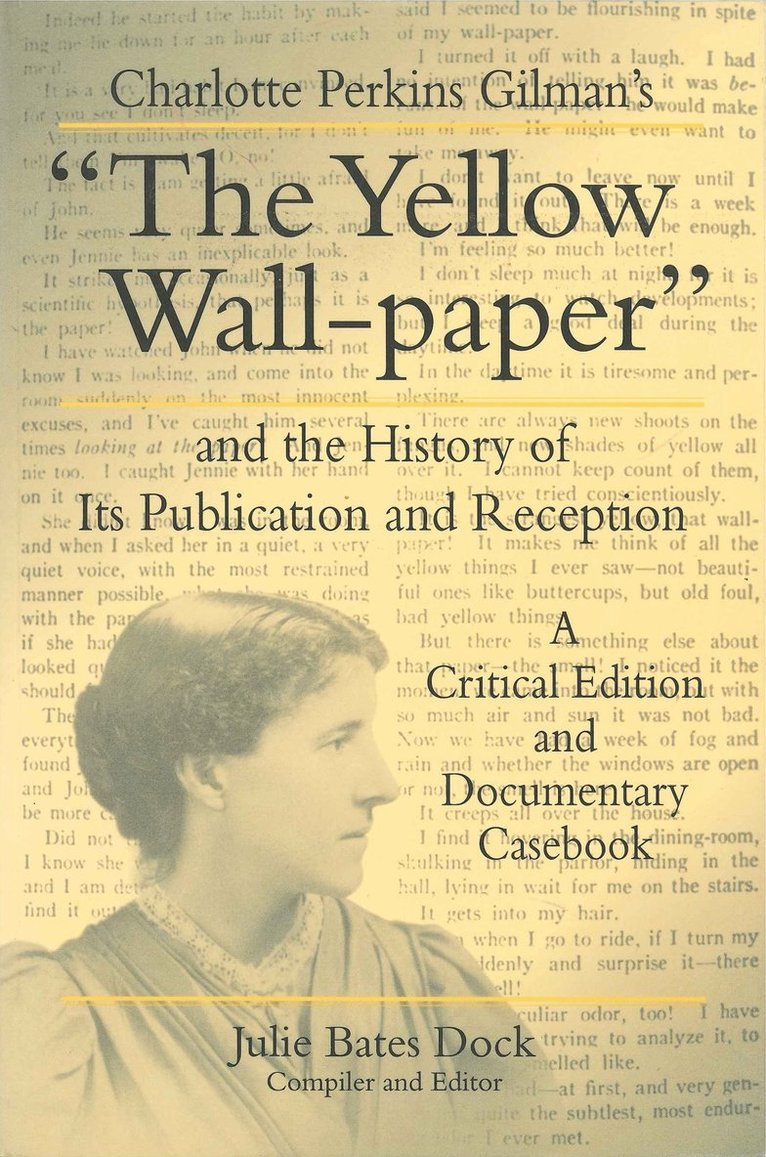
Charlotte Perkins Gilman's “The Yellow Wall-paper” and the History of Its Publication and Reception
Julie Bates Dock
Häftad, 1998
879 kr
Del 16
Del 16
Hoppa över listan





Du kanske också är intresserad av
Letters of Charles Harpur and his Circle
Paul Eggert, Chris Vening, Paul Eggert, Chris Vening
Häftad, 2024
579 kr