
- Nyhet
Beyond the Academic Pipeline for Asian Scholars
- Nyhet
The Power of Care, Healing, and Alternative Pathways in Language Education
Häftad, Engelska, 2026
869 kr
Beställningsvara. Skickas inom 10-15 vardagar. Fri frakt för medlemmar vid köp för minst 249 kr.
This book showcases and disrupts the academic pipeline for Asian and Asian-descent scholars who go through doctoral programs to their seniority in U.S. academia in Language Education. With a focus on care, mentorship, and collective healing for future Asian scholars in Language Education, the chapters in this book detail diverse experiences and strategies for overcoming inequity and power imbalance, with contributions from doctoral students and those on the tenure/tenured track or who choose alternative pathways beyond academia.Asian and Asian-descent TESOL and language scholars often face conflicts, struggles, and challenges, such as belonging, isolation, marginalization, exclusion, and institutional oppression without having agency, mentorship, and self-liberation during and after their doctoral programs in U.S-based academia. Chapters are grounded in critical, poststructural, feminist, decolonizing, and intersectional approaches to problematize and situate the interconnectedness of power, positioning, privilege/marginalization, dis/location, self-doubt, and well-being, and identities of Asian scholars in U.S.-based contexts. Additionally, contributions problematize what “Asianness” means and its relationship with other identities in academia for Asian scholars.This book offers on-the-ground and hands-on insights and practices of Asian TESOL and language scholars and serves as a foundational text for future doctoral programs to support marginalized populations in academia, especially Asian and Asian-descent students and scholars in Language Education (i.e., TESOL, Applied Linguistics, World Languages) and related fields.
Produktinformation
- Utgivningsdatum2026-07-30
- Mått152 x 229 x 18 mm
- Vikt410 g
- FormatHäftad
- SpråkEngelska
- Antal sidor204
- FörlagTaylor & Francis Ltd
- ISBN9781041032793
Tillhör följande kategorier
Hoppa över listan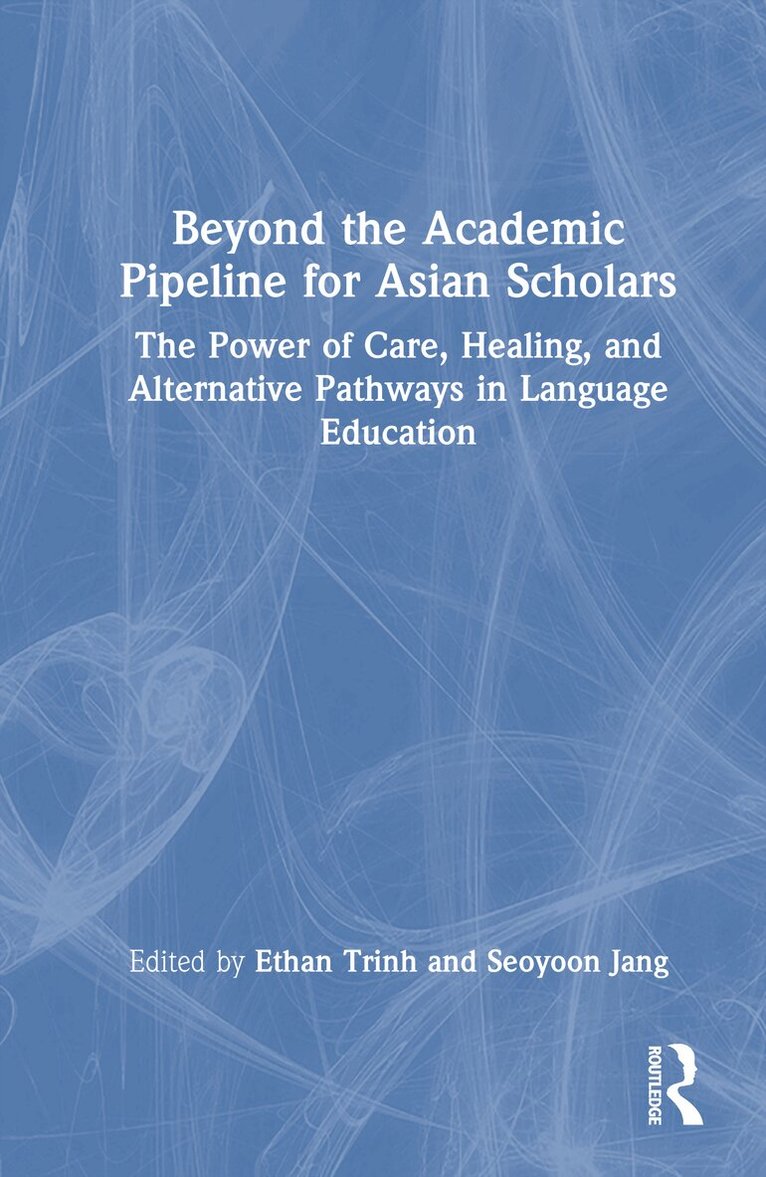


Du kanske också är intresserad av
Contemplating Pedagogy amid Gender and Sexuality Diversity in Contemporary Vietnam
Giang Nguyen Hoang Le, Fiona Blaikie, Ethan Trinh, Long Hoang Vu
Inbunden, 2026
3 079 kr
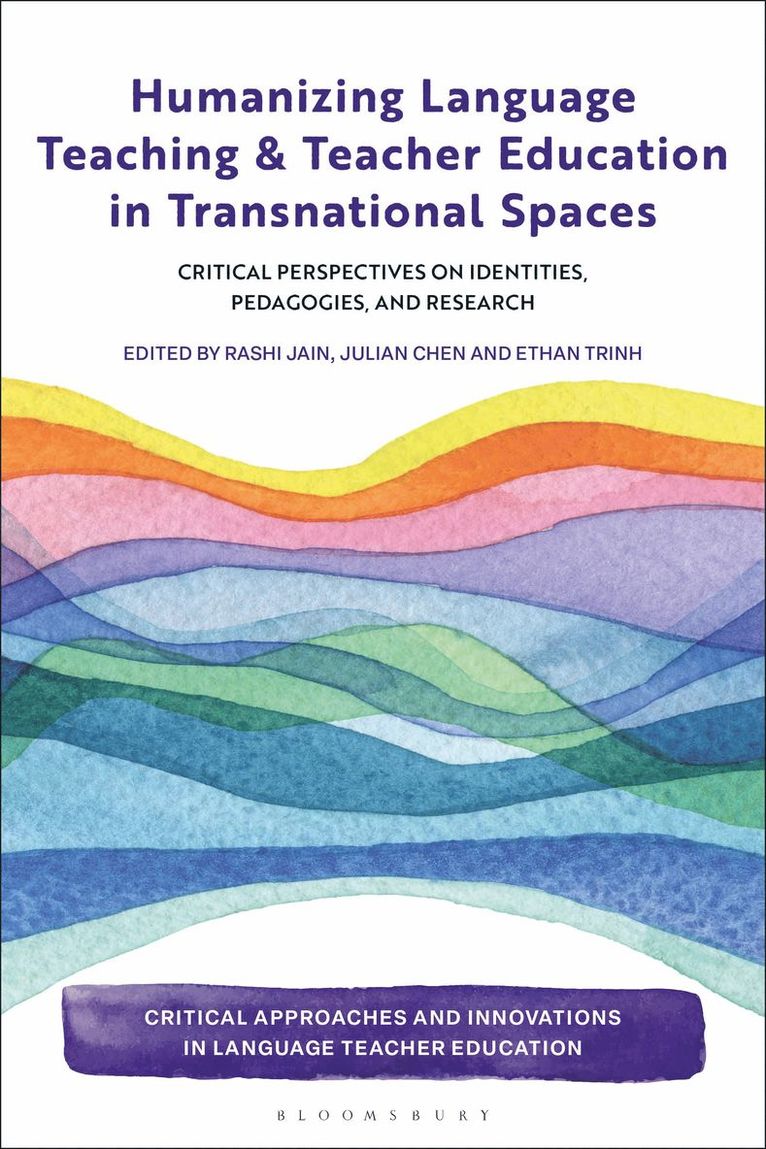
Humanizing Language Teaching and Teacher Education in Transnational Spaces
Rashi Jain, Julian Chen, Ethan Trinh
Inbunden, 2026
1 509 kr
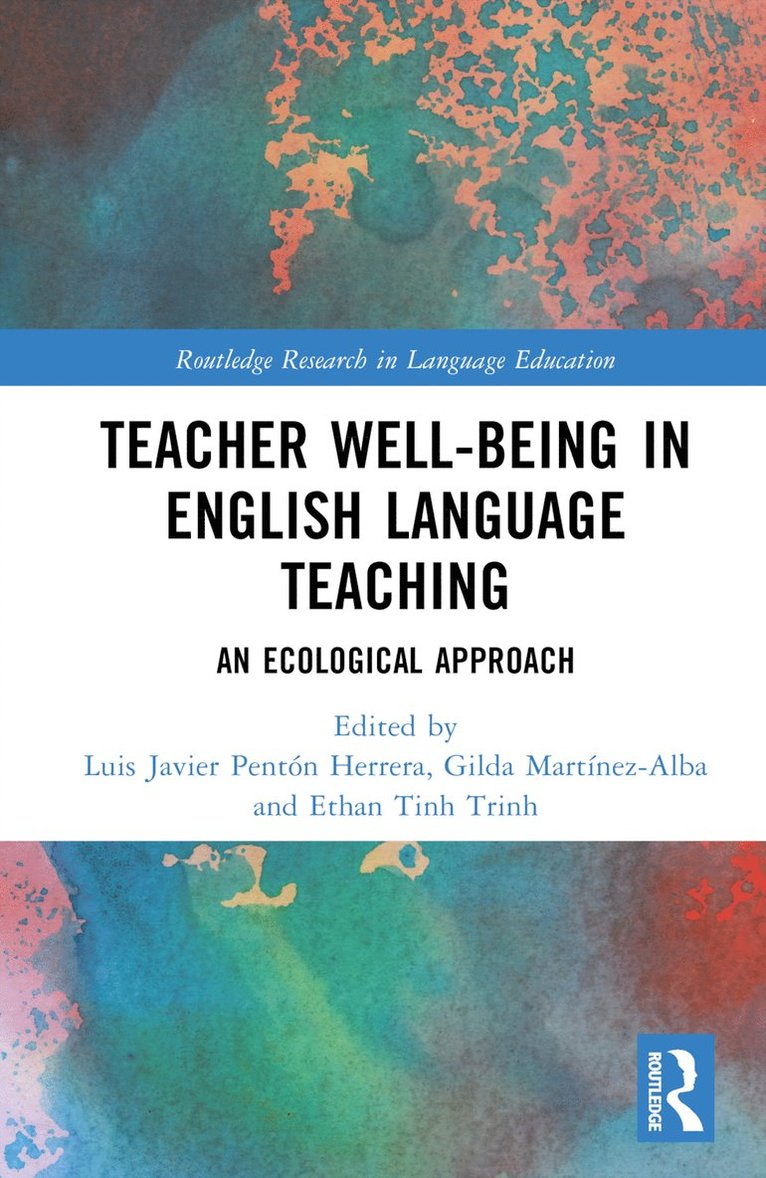
Teacher Well-Being in English Language Teaching
Luis Javier Pentón Herrera, Gilda Martínez-Alba, Ethan Trinh
Inbunden, 2022
2 609 kr
Multilingual Leadership in TESOL
Ethan Trinh, Luciana C. de Oliveira, Ali Fuad Selvi
Inbunden, 2024
3 169 kr
Doctoral Students’ Identities and Emotional Wellbeing in Applied Linguistics
Bedrettin Yazan, Ethan Trinh, Luis Javier Pentón Herrera
Häftad, 2024
789 kr
Teacher Well-Being in English Language Teaching
Luis Javier Pentón Herrera, Gilda Martínez-Alba, Ethan Trinh
Häftad, 2024
789 kr
Doctoral Students’ Identities and Emotional Wellbeing in Applied Linguistics
Bedrettin Yazan, Ethan Trinh, Luis Javier Pentón Herrera
Inbunden, 2023
2 609 kr
- Nyhet
Empowered Learning Through International Virtual Exchange
Ethan Trinh, Yali Zhao, Anthony F. Lemieux
Inbunden, 2026
3 079 kr