
Del i serien Global South Asia
Banaras Reconstructed
Architecture and Sacred Space in a Hindu Holy City
Häftad, Engelska, 2017
689 kr
Beställningsvara. Skickas inom 5-8 vardagar. Fri frakt för medlemmar vid köp för minst 249 kr.
Finns i fler format (1)
Between the late sixteenth and early twentieth centuries, Banaras, the iconic Hindu center in northern India that is often described as the oldest living city in the world, was reconstructed materially as well as imaginatively, and embellished with temples, monasteries, mansions, and ghats (riverfront fortress-palaces). Banaras’s refurbished sacred landscape became the subject of pilgrimage maps and its spectacular riverfront was depicted in panoramas and described in travelogues.In Banaras Reconstructed, Madhuri Desai examines the confluences, as well as the tensions, that have shaped this complex and remarkable city. In so doing, she raises issues central to historical as well as contemporary Indian identity and delves into larger questions about religious urban environments in South Asia.
Produktinformation
- Utgivningsdatum2017-06-27
- Mått178 x 254 x 23 mm
- Vikt658 g
- FormatHäftad
- SpråkEngelska
- SerieGlobal South Asia
- Antal sidor304
- FörlagUniversity of Washington Press
- ISBN9780295741994
- UtmärkelserWinner of Alice Davis Hitchcock Award 2019 (United States)
Tillhör följande kategorier
Hoppa över listan

Mer från samma serie
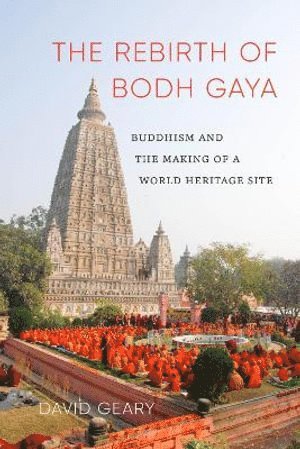
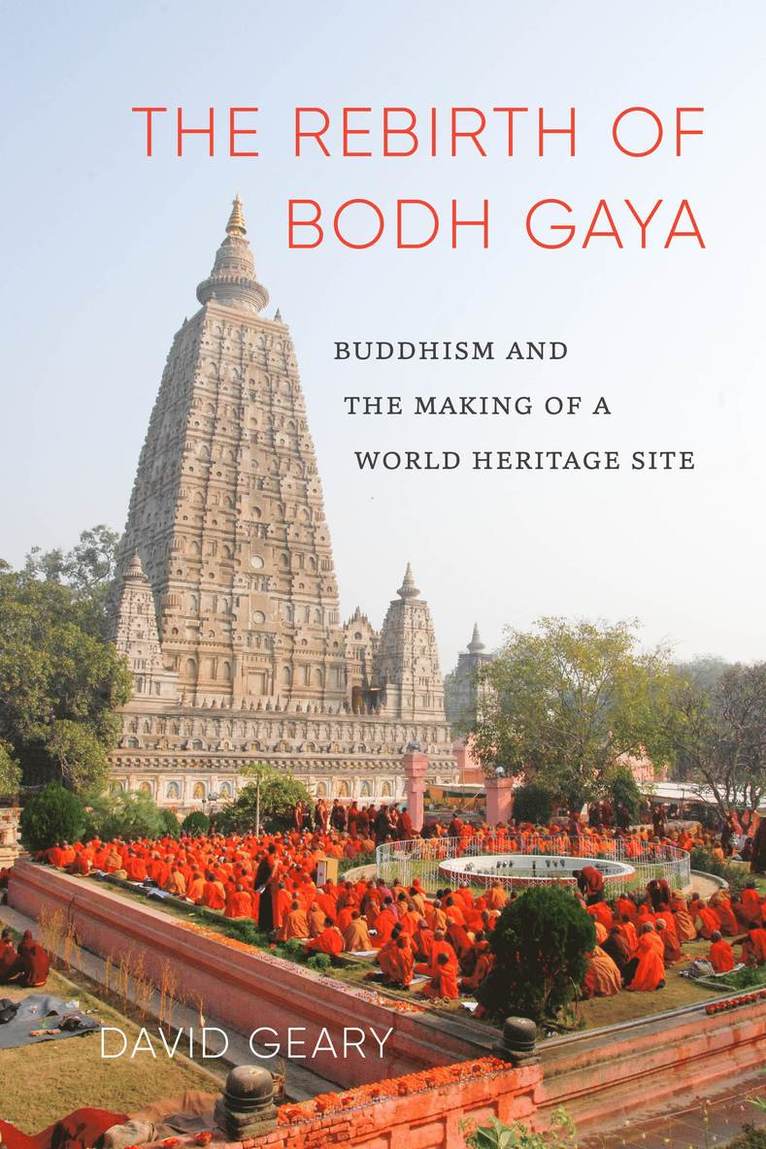
Rebirth of Bodh Gaya
David Geary, K. Sivaramakrishnan, Padma Kaimal, Anand A Yang
Inbunden, 2017
2 409 kr
Privileged Minorities
Sonja Thomas, K. Sivaramakrishnan, Padma Kaimal, Anand A Yang
Häftad, 2018
689 kr
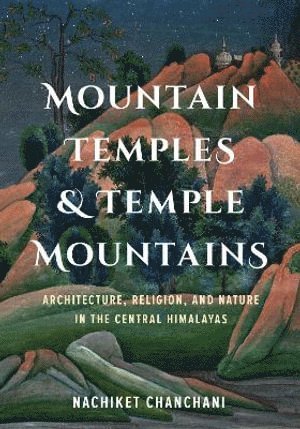
Mountain Temples and Temple Mountains
Nachiket Chanchani, Padma Kaimal, K. Sivaramakrishnan, Anand A Yang
Inbunden, 2019
1 699 kr