
Artificial Intelligence and the Media
Reconsidering Rights and Responsibilities
Inbunden, Engelska, 2022
2 379 kr
Beställningsvara. Skickas inom 5-8 vardagar. Fri frakt för medlemmar vid köp för minst 249 kr.
This timely book presents a detailed analysis of the role of law and regulation in the utilisation of Artificial Intelligence (AI) in the media sector. As well as contributing to the wider discussion on law and AI, the book also digs deeper by exploring pressing issues at the intersections of AI, media, and the law. Chapters critically re-examine various rights and responsibilities from the perspectives of incentives for accountable utilisation of AI in the industry.Featuring chapters from leading scholars in the field, Artificial Intelligence and the Media provides a timely and in-depth research-based contribution to complex themes - especially at the interface of new technology (including AI) with media and regulation. Analysing both legislative and ethical solutions, chapters explore what “AI” and “accountability” mean in terms of media practices, principles, and power relations, as well as how to address the AI revolution with informed law and policy in order to incentivise accountable utilisation of AI and to reduce negative societal impacts.Offering ideas for further research in the area, this book is key reading for academics and researchers in the fields of information and media law, regulation, and technology law. It may also interest media law practitioners, with research-based guidance for everyday practices and tools to prepare for future developments in the area.
Produktinformation
- Utgivningsdatum2022-02-22
- Mått230 x 20 x 160 mm
- Vikt620 g
- FormatInbunden
- SpråkEngelska
- FörlagEdward Elgar Publishing Ltd
- ISBN9781839109966
Tillhör följande kategorier
Hoppa över listan






Du kanske också är intresserad av
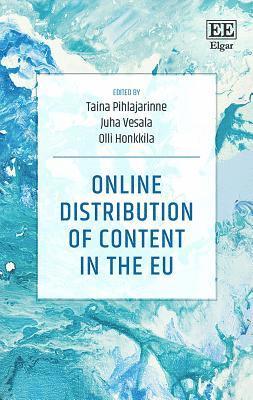
Online Distribution of Content in the EU
Taina Pihlajarinne, Juha Vesala, Olli Honkkila
Inbunden, 2019
2 389 kr
Intellectual Property Rights in the Post Pandemic World
Taina Pihlajarinne, Jukka Mähönen, Pratyush N. Upreti
Inbunden, 2023
2 849 kr
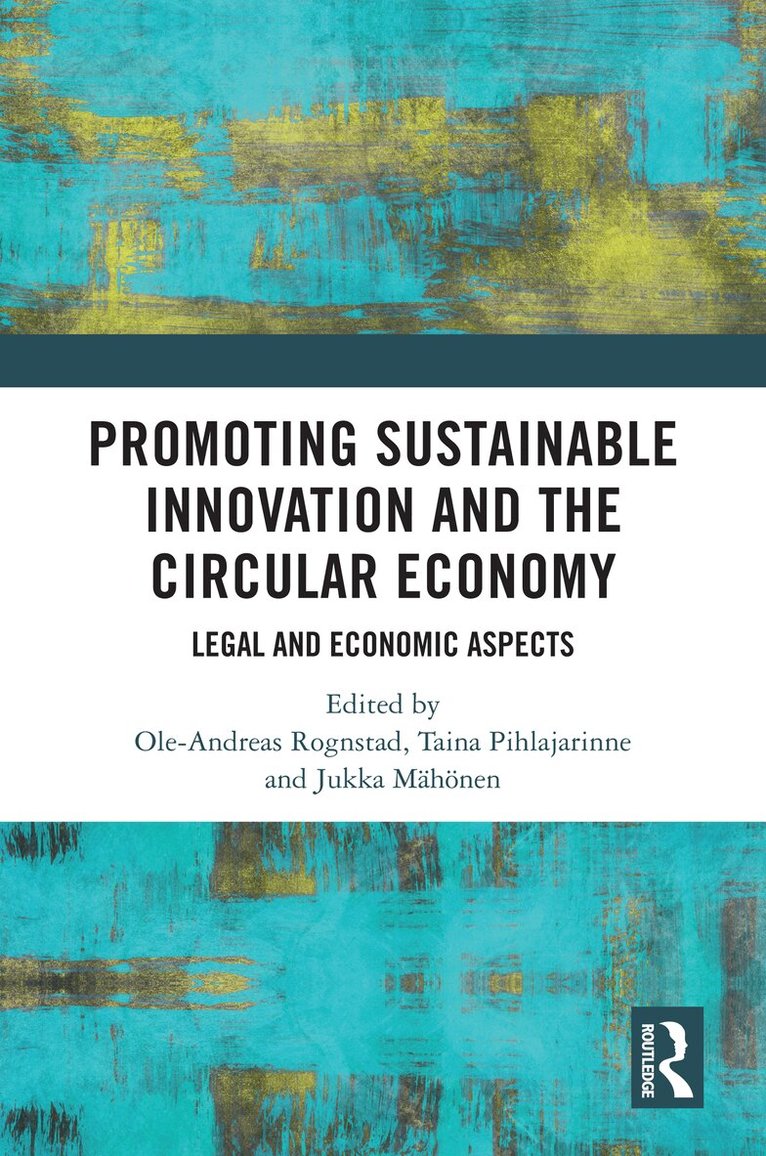
Promoting Sustainable Innovation and the Circular Economy
Ole-Andreas Rognstad, Taina Pihlajarinne, Jukka Mähönen
Inbunden, 2024
2 729 kr
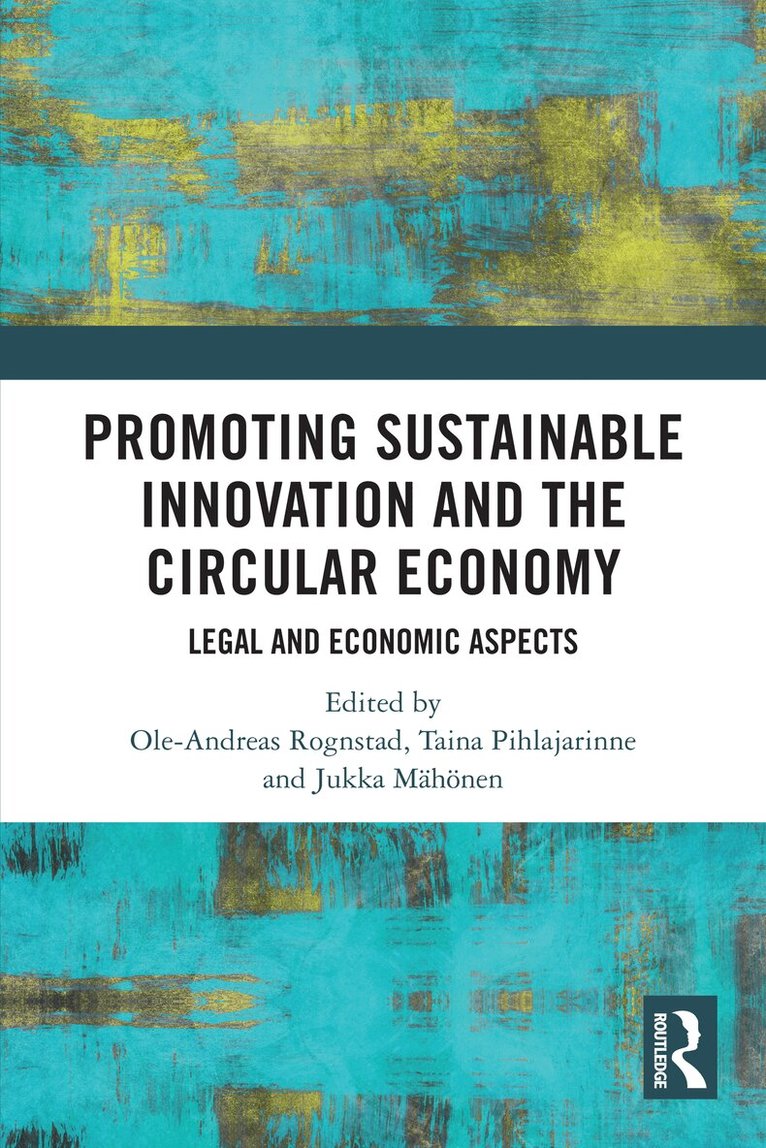
Promoting Sustainable Innovation and the Circular Economy
Ole-Andreas Rognstad, Taina Pihlajarinne, Jukka Mähönen
Häftad, 2026
829 kr
- Nyhet
Del 3
- Nyhet
Del 11
- Nyhet
Del 6
- Nyhet
Del 4
Del 3