
Vi hittar inte den utgåva du söker efter, kanske funkar den här lika bra?
Art of Interactive Teaching
Listening, Responding, Questioning
Häftad, Engelska, 2017
719 kr
Beställningsvara. Skickas inom 10-15 vardagar. Fri frakt för medlemmar vid köp för minst 249 kr.
Finns i fler format (1)
In this book, Selma Wassermann, international expert on classroom interactions, sets the stage for the relevance of the interactive teaching method, provides data and classroom examples that support its effectiveness at all student learning levels and in different subject areas, and offers detailed and specific help for teachers who are considering embarking on this approach to teaching. Coverage includes "teaching to the big ideas," preparing students, and the basics of developing good listening, responding, and questioning skills in an interactive discussion. A chapter on learning to become reflective practitioners deals with how teachers may become more aware of what they are saying and in better control of framing responses and questions in the art of interactive teaching. The book draws from the author’s long experience and study of interactive teaching using the case method rooted in the Harvard Business School’s approach to large class instruction.
Produktinformation
- Utgivningsdatum2017-06-15
- Mått152 x 229 x 13 mm
- Vikt182 g
- FormatHäftad
- SpråkEngelska
- Antal sidor112
- FörlagTaylor & Francis Ltd
- ISBN9781138041172
Tillhör följande kategorier
Hoppa över listan
Mer från samma författare
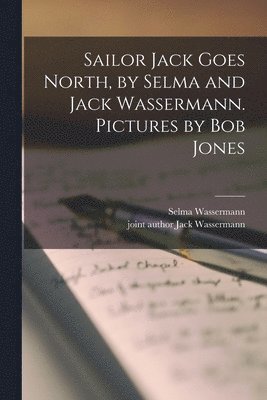
Sailor Jack Goes North, by Selma and Jack Wassermann. Pictures by Bob Jones
Selma Wassermann
Inbunden, 2021
579 kr
Sailor Jack Goes North, by Selma and Jack Wassermann. Pictures by Bob Jones
Selma Wassermann
Häftad, 2021
379 kr
Hoppa över listan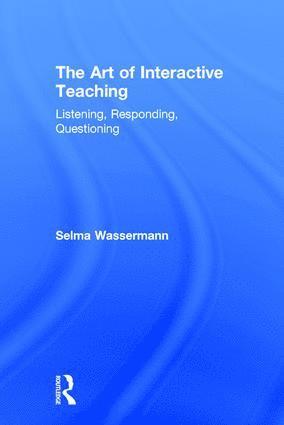


Du kanske också är intresserad av
Sailor Jack Goes North, by Selma and Jack Wassermann. Pictures by Bob Jones
Selma Wassermann
Häftad, 2021
379 kr