
Architecture and Landscape in Medieval Anatolia, 1100-1500
Inbunden, Engelska, 2017
1 799 kr
Beställningsvara. Skickas inom 11-20 vardagar. Fri frakt för medlemmar vid köp för minst 249 kr.
Finns i fler format (1)
Anatolia was home to a large number of polities in the medieval period. Given its location at the geographical and chronological juncture between Byzantines and the Ottomans, its story tends to be read through the Seljuk experience. This obscures the multiple experiences and spaces of Anatolia under the Byzantine empire, Turko-Muslim dynasties contemporary to the Seljuks, the Mongol Ilkhanids, and the various beyliks of eastern and western Anatolia. This book looks beyond political structures and towards a reconsideration of the interactions between the rural and the urban; an analysis of the relationships between architecture, culture and power; and an examination of the region’s multiple geographies. In order to expand historiographical perspectives it draws on a wide variety of sources (architectural, artistic, documentary and literary), including texts composed in several languages (Arabic, Armenian, Byzantine Greek, Persian and Turkish). Original in its coverage of this period from the perspective of multiple polities, religions and languages, this volume is also the first to truly embrace the cultural complexity that was inherent in the reality of daily life in medieval Anatolia and surrounding regions.
Produktinformation
- Utgivningsdatum2017-03-02
- Mått172 x 244 x 24 mm
- Vikt789 g
- FormatInbunden
- SpråkEngelska
- Antal sidor312
- FörlagEdinburgh University Press
- ISBN9781474411295
Tillhör följande kategorier
Hoppa över listan
Mer från samma författare
Medieval Textiles across Eurasia, c. 300-1400
Patricia Blessing, Elizabeth Dospěl Williams, Eiren L. Shea
Häftad, 2023
529 kr
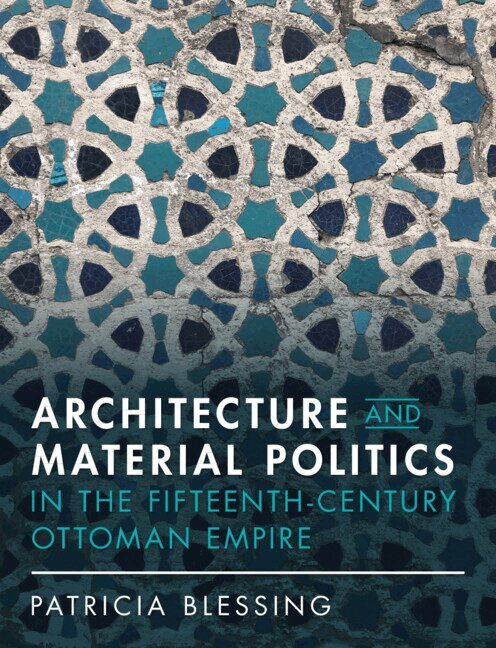
Architecture and Material Politics in the Fifteenth-century Ottoman Empire
Patricia Blessing
Inbunden, 2022
2 339 kr
Del 10
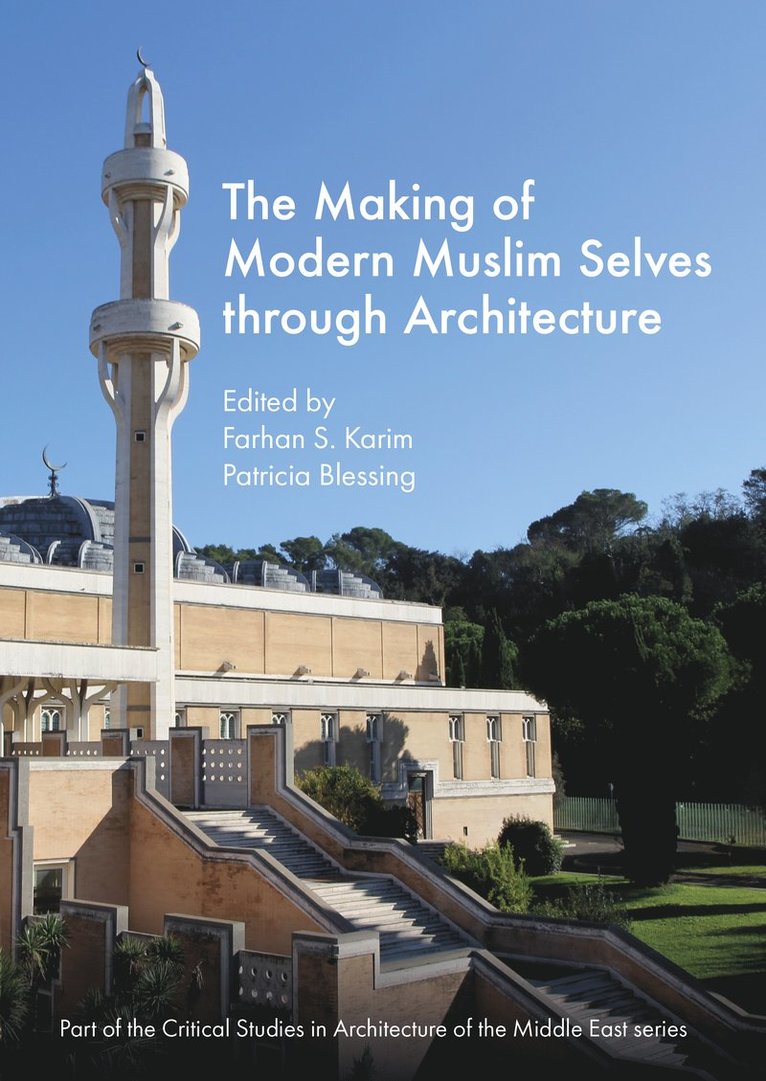
Making of Modern Muslim Selves through Architecture
Farhan S. Karim, Patricia Blessing
Inbunden, 2024
2 159 kr
Hoppa över listan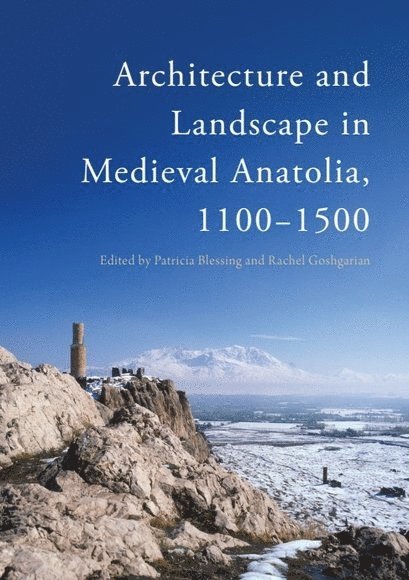

Du kanske också är intresserad av
Architecture and Landscape in Medieval Anatolia, 1100-1500
Patricia Blessing, Rachel Goshgarian
Häftad, 2018
699 kr
Architecture and Material Politics in the Fifteenth-century Ottoman Empire
Patricia Blessing
Inbunden, 2022
2 339 kr
Medieval Textiles across Eurasia, c. 300-1400
Patricia Blessing, Elizabeth Dospěl Williams, Eiren L. Shea
Häftad, 2023
529 kr
Del 10
Making of Modern Muslim Selves through Architecture
Farhan S. Karim, Patricia Blessing
Inbunden, 2024
2 159 kr