
Del i serien Arc Medievalist
Antiracist Medievalisms
From “Yellow Peril” to Black Lives Matter
Inbunden, Engelska, 2021
2 829 kr
Beställningsvara. Skickas inom 5-8 vardagar. Fri frakt för medlemmar vid köp för minst 249 kr.
Finns i fler format (1)
How do marginalized communities across the globe use the medieval past to combat racism, educate the public, and create a just world? Jonathan Hsy advances urgent academic and public conversations about race and appropriations of the medieval past in popular culture and the arts. Examining poetry, fiction, journalism, and performances, Hsy shows how cultural icons such as Frederick Douglass, Wong Chin Foo, Alice Dunbar-Nelson, and Sui Sin Far reinvented medieval traditions to promote social change. Contemporary Asian, Black, Indigenous, Latinx, and multiracial artists embrace diverse pasts to build better futures. “Makes the crucial move of tying medievalism studies readings to social and racial justice work explicitly … innovative and greatly needed in the field.” Seeta Chaganti, author of Strange Footing“A major accomplishment that belongs on the shelves of every person who believes in antiracism.” Geraldine Heng, author of The Invention of Race in the European Middle Ages
Produktinformation
- Utgivningsdatum2021-04-30
- Mått152 x 229 x 15 mm
- Vikt363 g
- FormatInbunden
- SpråkEngelska
- SerieArc Medievalist
- Antal sidor170
- FörlagArc Humanities Press
- ISBN9781641893145
Tillhör följande kategorier
Hoppa över listan
Mer från samma författare
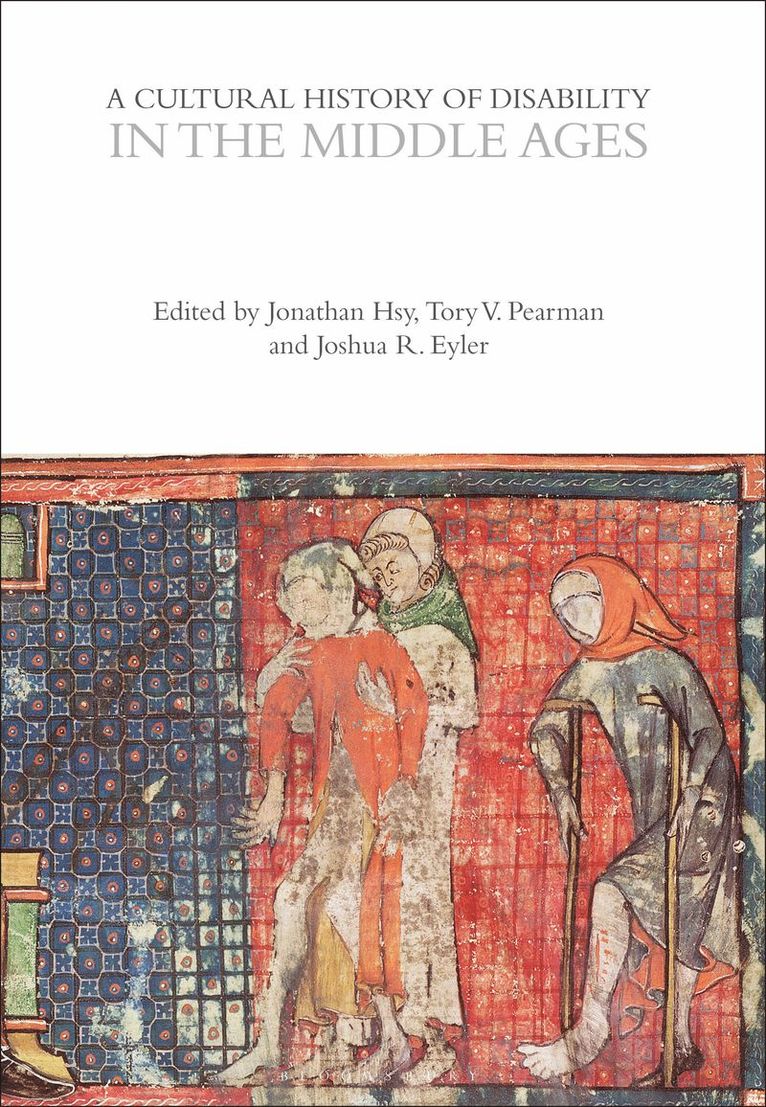
Cultural History of Disability in the Middle Ages
Jonathan Hsy, Tory V. Pearman, Joshua R. Eyler
Inbunden, 2023
1 679 kr
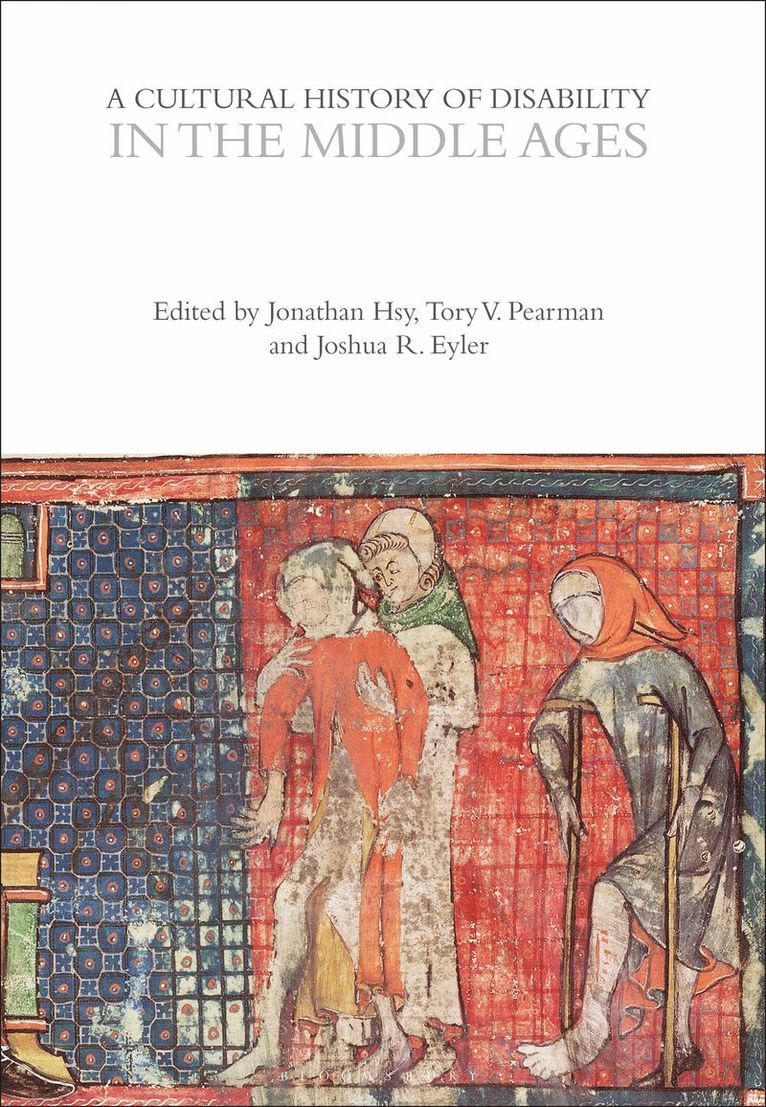
Cultural History of Disability in the Middle Ages
Jonathan Hsy, Tory V. Pearman, Joshua R. Eyler
Häftad, 2024
569 kr
Hoppa över listan





Du kanske också är intresserad av
Cultural History of Disability in the Middle Ages
Jonathan Hsy, Tory V. Pearman, Joshua R. Eyler
Häftad, 2024
569 kr
Cultural History of Disability in the Middle Ages
Jonathan Hsy, Tory V. Pearman, Joshua R. Eyler
Inbunden, 2023
1 679 kr