
Anthropological Inquiry into Confucianism
Ritual, Emotion, and Rational Principle
Inbunden, Engelska, 2022
1 449 kr
Beställningsvara. Skickas inom 10-15 vardagar. Fri frakt för medlemmar vid köp för minst 249 kr.
Finns i fler format (1)
An Anthropological Inquiry into Confucianism provides a chronological, historicized reappraisal of Confucianism as a belief system and a way of life that revolves around three key concepts: ritual (Li), emotion (qing), and rational principle (li). Instead of examining all pertinent concepts of Confucianism, the book focuses on how Confucian thinkers grappled with these three words and tried to balance them throughout multiple dynasties and by polemics an practice performing rites in daily life. Informed by the theory and perspectives of anthropology, Guo Wu revisits the origin of Confucianism and treats it as part of the legacy of pre-textual worshipping and funerary rites which are incorporated, recorded, and interpreted by Confucians. An anthropological angle continues to flesh out the extant Confucian classics by reinterpreting the parts concerning the human-human, human-animal, and human-sacred objects relations. Modern anthropological studies are referenced to showed how Confucian ritualism permeated to the lifeworld of Chinese villages since the Song dynasty and revived in Ming-Qing dynasties along with a resurgent interest in the expression of human emotions, which had an inherent tension with (Heavenly) rational principle. The book concludes that the Confucian balancing of the triad continues into the 21st century along with its revival in China.
Produktinformation
- Utgivningsdatum2022-03-24
- Mått161 x 228 x 19 mm
- Vikt454 g
- FormatInbunden
- SpråkEngelska
- Antal sidor166
- FörlagBloomsbury Publishing Plc
- ISBN9781793654311
Tillhör följande kategorier
Hoppa över listan

Mer från samma författare
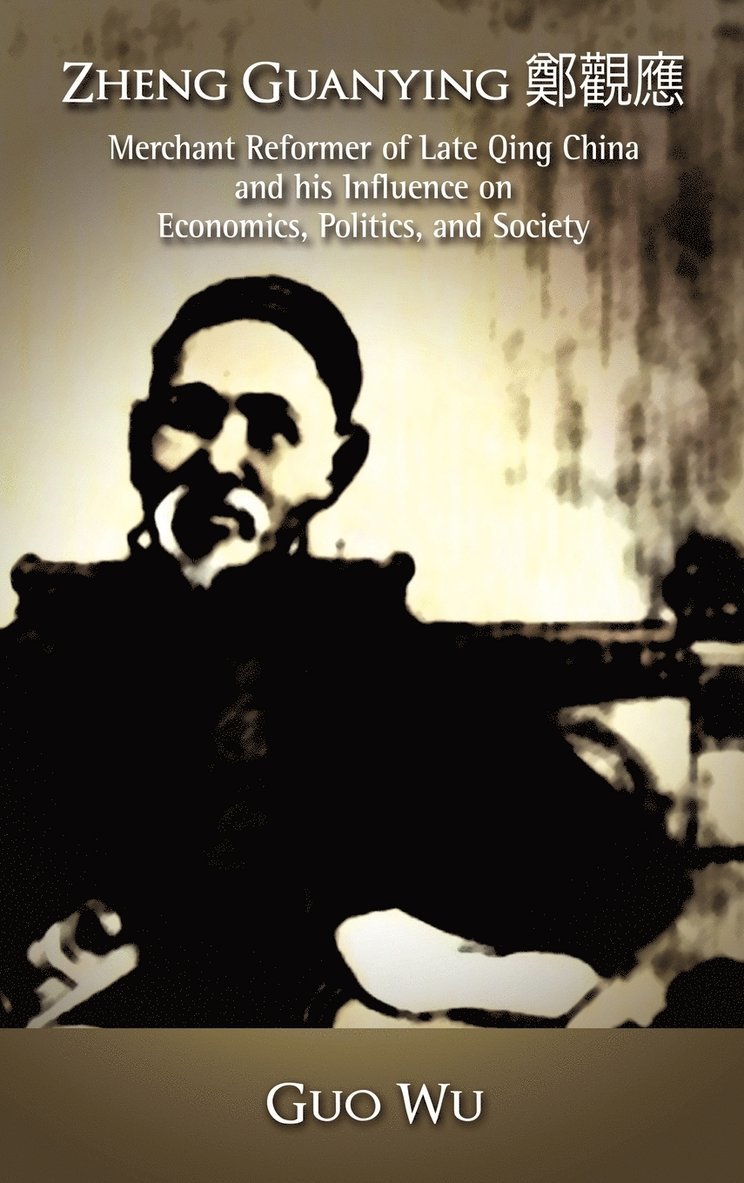
Zheng Guanying, Merchant Reformer of Late Qing China and His Influence on Economics, Politics, and Society
Guo Wu
Inbunden, 2010
1 849 kr
Archaeological Research on the Societies of Late Prehistoric Xinjiang, Vol 1
Guo Wu
Inbunden, 2022
2 059 kr
Archaeological Research on the Societies of Late Prehistoric Xinjiang, Vol 1
Guo Wu
Häftad, 2023
2 059 kr
Archaeological Research on the Societies of Late Prehistoric Xinjiang, Vol 2
Guo Wu
Inbunden, 2022
1 919 kr
Archaeological Research on the Societies of Late Prehistoric Xinjiang, Vol 2
Guo Wu
Häftad, 2023
1 919 kr
Hoppa över listan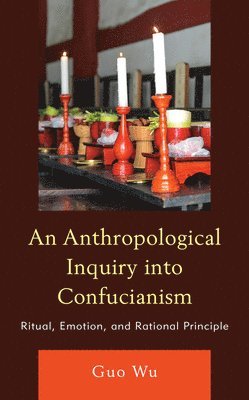

Du kanske också är intresserad av
Archaeological Research on the Societies of Late Prehistoric Xinjiang, Vol 2
Guo Wu
Inbunden, 2022
1 919 kr
Archaeological Research on the Societies of Late Prehistoric Xinjiang, Vol 1
Guo Wu
Inbunden, 2022
2 059 kr
Zheng Guanying, Merchant Reformer of Late Qing China and His Influence on Economics, Politics, and Society
Guo Wu
Inbunden, 2010
1 849 kr
Archaeological Research on the Societies of Late Prehistoric Xinjiang, Vol 2
Guo Wu
Häftad, 2023
1 919 kr
Archaeological Research on the Societies of Late Prehistoric Xinjiang, Vol 1
Guo Wu
Häftad, 2023
2 059 kr
- Nyhet
Del 3