
Del i serien Anniversary Collection
Ancient Marbles to American Shores
Classical Archaeology in the United States
Inbunden, Engelska, 1998
1 279 kr
Beställningsvara. Skickas inom 10-15 vardagar. Fri frakt för medlemmar vid köp för minst 249 kr.
In Ancient Marbles to American Shores, Stephen L. Dyson uncovers the history of classical archaeology in the United States by exploring the people and programs that gave birth to archaeology as a discipline in this country. He puts aside the common formula of chronicling great digs, great discoveries, and great men in favor of a cultural, ideological, and institutional history of the subject.The book explores the ways American contact with the monuments of Greece and Rome affected the national consciousness. It discusses how the spread of classical style laid the groundwork for the development of the discipline after the Civil War and examines the period before World War I, when most of the institutions that led to the establishment of the discipline, as well as the first generation of American classical archaeologists, were created. It looks at the role classical archaeology played in the development of the American art museum since the later nineteenth century and considers changes in American classical archaeology from World War II to the mid-1970s.Filling the void of information on the history of classical archaeology in the United States, this lively book is a valuable contribution to literature on a subject which is enjoying ever-increasing interest and attention.
Produktinformation
- Utgivningsdatum1998-09-29
- Mått155 x 235 x 24 mm
- Vikt662 g
- FormatInbunden
- SpråkEngelska
- SerieAnniversary Collection
- Antal sidor320
- FörlagUniversity of Pennsylvania Press
- ISBN9780812234466
Tillhör följande kategorier
Hoppa över listan


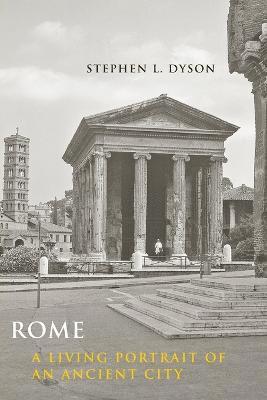

Mer från samma författare
Archaeology, Ideology, and Urbanism in Rome from the Grand Tour to Berlusconi
Stephen L. Dyson
Inbunden, 2019
2 339 kr
Del 187
Hoppa över listan


Mer från samma serie
Economic Report on the Philadelphia Metropolitan Area, 1985
Anita A. Summers, Thomas F. Luce
Häftad, 1987
429 kr
Economic Development Within the Philadelphia Metropolitan Area
Anita A. Summers, Thomas F. Luce
Inbunden, 1986
1 239 kr
Hoppa över listan
Du kanske också är intresserad av
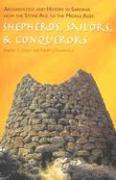
Archaeology and History in Sardinia from the Sto – Shepherds, Sailors, and Conquerors
Stephen L. Dyson, Robert J. Rowla Jr.
Inbunden, 2008
1 029 kr
Del 187