
Ancient Greeks on the Human Condition
Themes in the Writings of Homer, Aristophanes, Euripides and Thucydides
Häftad, Engelska, 2021
969 kr
Beställningsvara. Skickas inom 5-8 vardagar. Fri frakt för medlemmar vid köp för minst 249 kr.
This book examines the writings of four ancient Greeks-Homer, Thucydides, Euripides, and Aristophanes. Each of these four individuals represents a different approach toward the human condition, ranging from the heroic and tragic to the comic and absurd. This book focuses on how the human condition can best be understood within the framework of these four perspectives by examining the major contributions of these Greek writers, whether in the form of epic (Homer's Iliad), history (Thucydides' History of the Peloponnesian War), or drama (the plays of Euripides and Aristophanes). These various perceptions of Greek thought illuminate our understanding of what it means to be fully human. By focusing on the concepts of the heroic, tragic, comic, and absurd, we can see how these ancient Greek authors still provide key insights for us today as they clarify those timeless features that define the human condition.
Produktinformation
- Utgivningsdatum2021-08-19
- Mått152 x 229 x 11 mm
- Vikt277 g
- FormatHäftad
- SpråkEngelska
- Antal sidor206
- FörlagMcFarland & Co Inc
- ISBN9781476675787
Tillhör följande kategorier
Hoppa över listan


Mer från samma författare
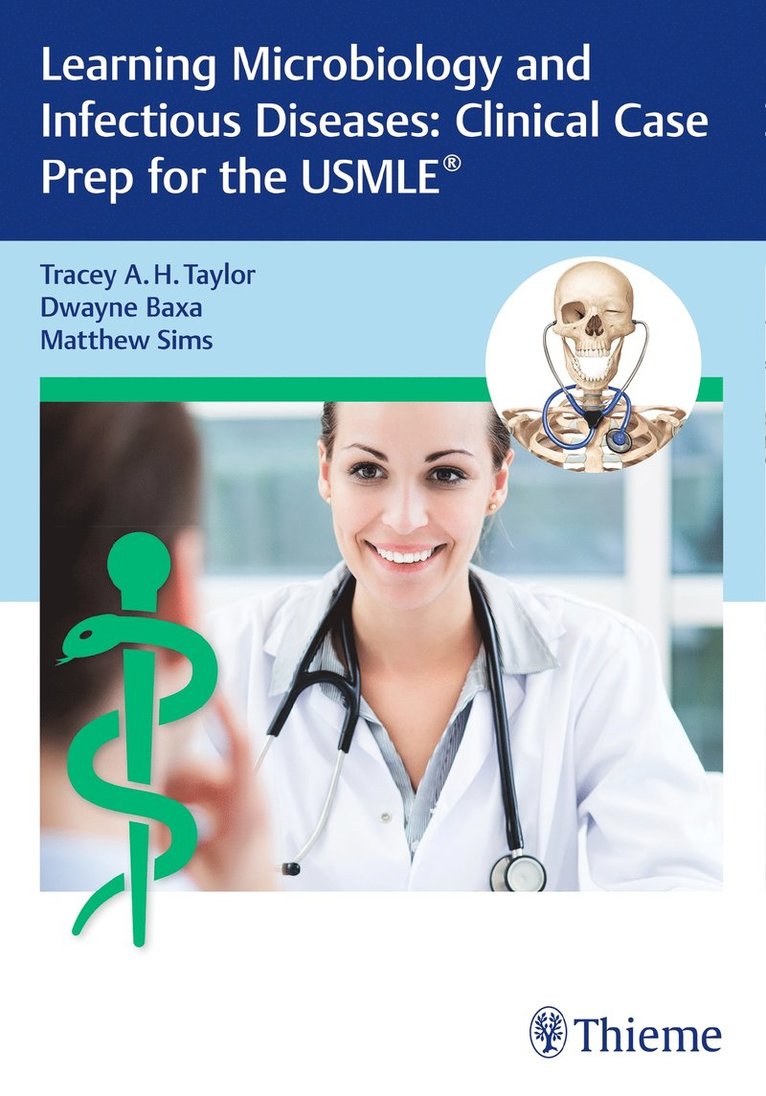
Learning Microbiology and Infectious Diseases: Clinical Case Prep for the USMLE®
Tracey A. H. Taylor, Dwayne Baxa, Matthew Sims
Häftad, 2020
1 069 kr
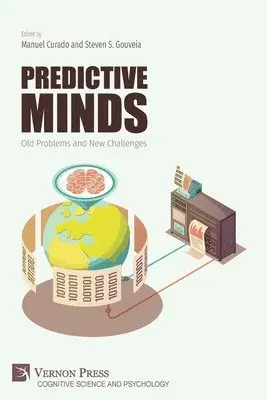
Predictive Minds: Old Problems and New Challenges
Wanja Wiese, Thomas Metzinger, Valtteri Arstila, Susanne Uusitalo, Jarno Tuominen, Nicolás Lori, Miguel Pais-Vieira, Matthew Sims, Mark Miller, Manuel Curado, José M. Araya, Jorge Gonçalves, Jona Förster, João Fonseca, Jelena Markovic, Dina Mendonça, Arthur Schwaninger, Manuel Curado, Steven S. Gouveia
Inbunden, 2023
1 729 kr
Predictive Minds: Old Problems and New Challenges
Wanja Wiese, Thomas Metzinger, Valtteri Arstila, Susanne Uusitalo, Jarno Tuominen, Nicolás Lori, Miguel Pais-Vieira, Matthew Sims, Mark Miller, Manuel Curado, José M. Araya, Jorge Gonçalves, Jona Förster, João Fonseca, Jelena Markovic, Dina Mendonça, Arthur Schwaninger, Manuel Curado, Steven S. Gouveia
Häftad, 2024
989 kr
Hoppa över listan

Du kanske också är intresserad av
Predictive Minds: Old Problems and New Challenges
Wanja Wiese, Thomas Metzinger, Valtteri Arstila, Susanne Uusitalo, Jarno Tuominen, Nicolás Lori, Miguel Pais-Vieira, Matthew Sims, Mark Miller, Manuel Curado, José M. Araya, Jorge Gonçalves, Jona Förster, João Fonseca, Jelena Markovic, Dina Mendonça, Arthur Schwaninger, Manuel Curado, Steven S. Gouveia
Inbunden, 2023
1 729 kr
Learning Microbiology and Infectious Diseases: Clinical Case Prep for the USMLE®
Tracey A. H. Taylor, Dwayne Baxa, Matthew Sims
Häftad, 2020
1 069 kr
Predictive Minds: Old Problems and New Challenges
Wanja Wiese, Thomas Metzinger, Valtteri Arstila, Susanne Uusitalo, Jarno Tuominen, Nicolás Lori, Miguel Pais-Vieira, Matthew Sims, Mark Miller, Manuel Curado, José M. Araya, Jorge Gonçalves, Jona Förster, João Fonseca, Jelena Markovic, Dina Mendonça, Arthur Schwaninger, Manuel Curado, Steven S. Gouveia
Häftad, 2024
989 kr
Omvårdnadens grunder - paket
Sofia Almerud, Annica Backman, Anna-Karin Edberg, Anna Ehrenberg, My Engström, Katarina Göransson, Lena Marmstål Hammar, Stefan Nilsson, Lars Wallin, Helle Wijk, Joakim Öhlén, Lilas Ali, Anette Alvariza, Ann-Christine Andersson, Pia Andersson, Anna Anåker, Charlotta van Eggermont Arwidson, Margareta Asp, Åsa Audulv, Malin Axelsson, Mariette Bengtsson, Eva Benzein, Lena Berg, Monica Bergqvist, Eva-Karin Bergström, Ida Björkman, Catrin Björvell, Angela Bång, Carina Bååth, Josefin Bäckström, Karin Bölenius, David Edvardsson, Rakel Eklund, Inger Ekman, Mirjam Ekstedt, Ann Catrine Eldh, Karin Enskär, Sofia Erestam, Anneli Eriksson, Henrik Eriksson, Marie Ernsth Bravell, Jan Florin, Anna Forsberg, Henrietta Forsman, Anette Forss, Mio Fredriksson, Febe Friberg, Maria Grandahl, Tanja Gustafsson, Agneta Gånemo, Elizabeth Hanson, Malin Hansson, Amanda Hellström, Ingela Henoch, Inger Jansson, Maria Jirwe, Lena Johansson, Pauline Johansson, Unn-Britt Johansson, Birgitta Kerstis, Ann-Sofie Källberg, Ulrika Källman, Anita Kärner Köhler, Cecilia Larsdotter, Margret Lepp, Maria Lindström Nilsson, Mikael Lundmark, Anneli Löf, Lennart Magnusson, Catharina Melander, Jenny Milton, Beata Molin, Annika Nordin, Maria Norinder, Sepideh Olausson, Carina Persson, Kerstin Prignitz Sluys, Josefin Rahmqvist, Birgit Holritz Rasmussen, Anneli Ringblom, Karin C. Ringsberg, Ann Rudman, Ann-Marie Rydholm Hedman, Silje Rysst, Lars Sandman, Regina Santamäki Fischer, Britt-Inger Saveman, Johanna Sjömar, Karin Stenzelius, Anna Strömberg, Annelie J. Sundler, Märtha Sund Levander, Kristina Svantesson, Anna Swall, Susanne Syrén, Pia Tingström, Johanna Ulfvarson, Sara Wallström, Albert Westergren, Lena Wiklund Gustin, Ulrika Winblad
Häftad, 2025
1 569 kr