
Anthropology of War
Views from the Frontline
Häftad, Engelska, 2008
589 kr
Beställningsvara. Skickas inom 5-8 vardagar. Fri frakt för medlemmar vid köp för minst 249 kr.
Finns i fler format (1)
As we move deeper into the twenty-first century, power, lethal force, and injustice continue to explode violently into war, and the prospects for lasting peace look even bleaker. The horrors of modern warfare - the death, dehumanization, and destruction of social and material infrastructures - have done little to bring an end to armed conflict.In this volume, leading chroniclers of war provide thoughtful and powerful essays that reflect on their ethnographic work at the frontlines. The contributors recount not only what they have seen and heard in war zones but also what is being read, studied, analyzed and remembered in such diverse locations as Colombia and Guatemala, Israel and Palestine, Iraq, Afghanistan, and Haiti. In detailed reports from the field, they reflect on the important issue of “accountability” and offer explanations to discern causes, patterns, and practices of war. Through this unique lens, the contributors provide the insight and analysis needed for a deeper understanding of one of the greatest issues of our times.Contributors:Avram Bornstein, Paul E. Farmer, R. Brian Ferguson, Lesley Gill, Beatriz Manz, Carolyn Nordstrom, Stephen Reyna, Jose N. Vasquez
Produktinformation
- Utgivningsdatum2008-10-01
- Mått152 x 229 x 17 mm
- Vikt281 g
- FormatHäftad
- SpråkEngelska
- Antal sidor204
- FörlagBerghahn Books
- ISBN9781845456221
Tillhör följande kategorier
Hoppa över listan




Mer från samma författare
Anthropology off the Shelf
WATERSTON, Vesperi, Alisse Waterston, Maria D. Vesperi
Inbunden, 2009
1 479 kr
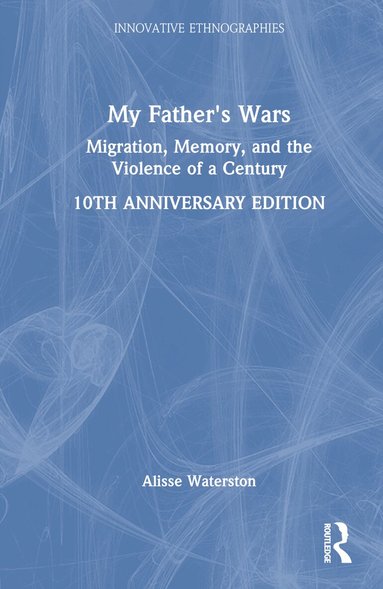
My Father's Wars: Migration, Memory, and the Violence of a Century
Alisse Waterston
Inbunden, 2013
2 159 kr
My Father's Wars: Migration, Memory, and the Violence of a Century
Alisse Waterston
Häftad, 2013
519 kr
Hoppa över listan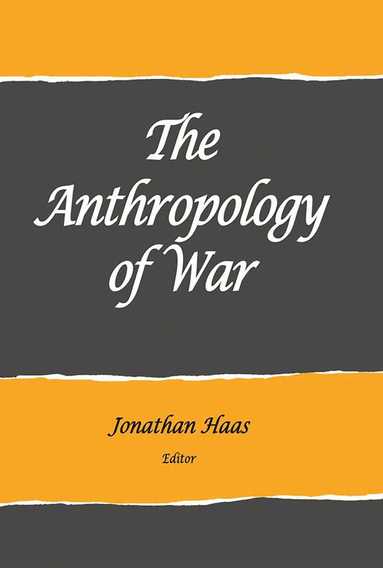
Du kanske också är intresserad av
My Father's Wars: Migration, Memory, and the Violence of a Century
Alisse Waterston
Inbunden, 2013
2 159 kr
Anthropology off the Shelf
WATERSTON, Vesperi, Alisse Waterston, Maria D. Vesperi
Inbunden, 2009
1 479 kr
My Father's Wars: Migration, Memory, and the Violence of a Century
Alisse Waterston
Häftad, 2013
519 kr