
Del i serien Slaveries since Emancipation
American Slavery, American Imperialism
US Perceptions of Global Servitude, 1870-1914
Häftad, Engelska, 2023
489 kr
Skickas . Fri frakt för medlemmar vid köp för minst 249 kr.
Finns i fler format (1)
Slavery casts a long shadow over American history; despite the cataclysmic changes of the Civil War and emancipation, the United States carried antebellum notions of slavery into its imperial expansion at the turn of the twentieth-century. African American, Chinese and other immigrant labourers were exploited in the name of domestic economic development, and overseas, local populations were made into colonial subjects of America. How did the U.S. deal with the paradox of presenting itself as a global power which abhorred slavery, while at the same time failing to deal with forced labour at home? Catherine Armstrong argues that this was done with rhetorical manoeuvres around the definition of slavery. Drawing primarily on representations of slavery in American print culture, this study charts how definitions and depictions of slavery both changed and stayed the same as the nation became a prominent actor on the world stage. In doing so, Armstrong challenges the idea that slavery is a merely historical problem, and shows its relevance in the contemporary world.
Produktinformation
- Utgivningsdatum2023-06-22
- Mått150 x 230 x 20 mm
- Vikt463 g
- FormatHäftad
- SpråkEngelska
- SerieSlaveries since Emancipation
- Antal sidor298
- FörlagCambridge University Press
- ISBN9781108701914
Tillhör följande kategorier
Hoppa över listan
Mer från samma författare
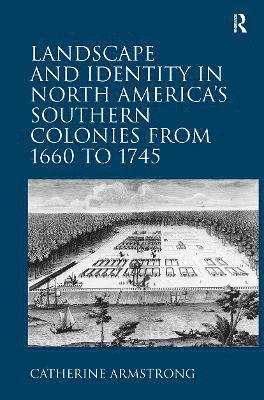
Landscape and Identity in North America's Southern Colonies from 1660 to 1745
Catherine Armstrong
Häftad, 2024
959 kr
Landscape and Identity in North America's Southern Colonies from 1660 to 1745
Catherine Armstrong
Inbunden, 2013
2 249 kr
Hoppa över listan
Du kanske också är intresserad av
Landscape and Identity in North America's Southern Colonies from 1660 to 1745
Catherine Armstrong
Inbunden, 2013
2 249 kr
Del 7
Landscape and Identity in North America's Southern Colonies from 1660 to 1745
Catherine Armstrong
Häftad, 2024
959 kr