
Del i serien Indiana University Press (IPS)
Alternative Globalizations
Eastern Europe and the Postcolonial World
Inbunden, Engelska, 2020
1 499 kr
Beställningsvara. Skickas inom 5-8 vardagar. Fri frakt för medlemmar vid köp för minst 249 kr.
Finns i fler format (1)
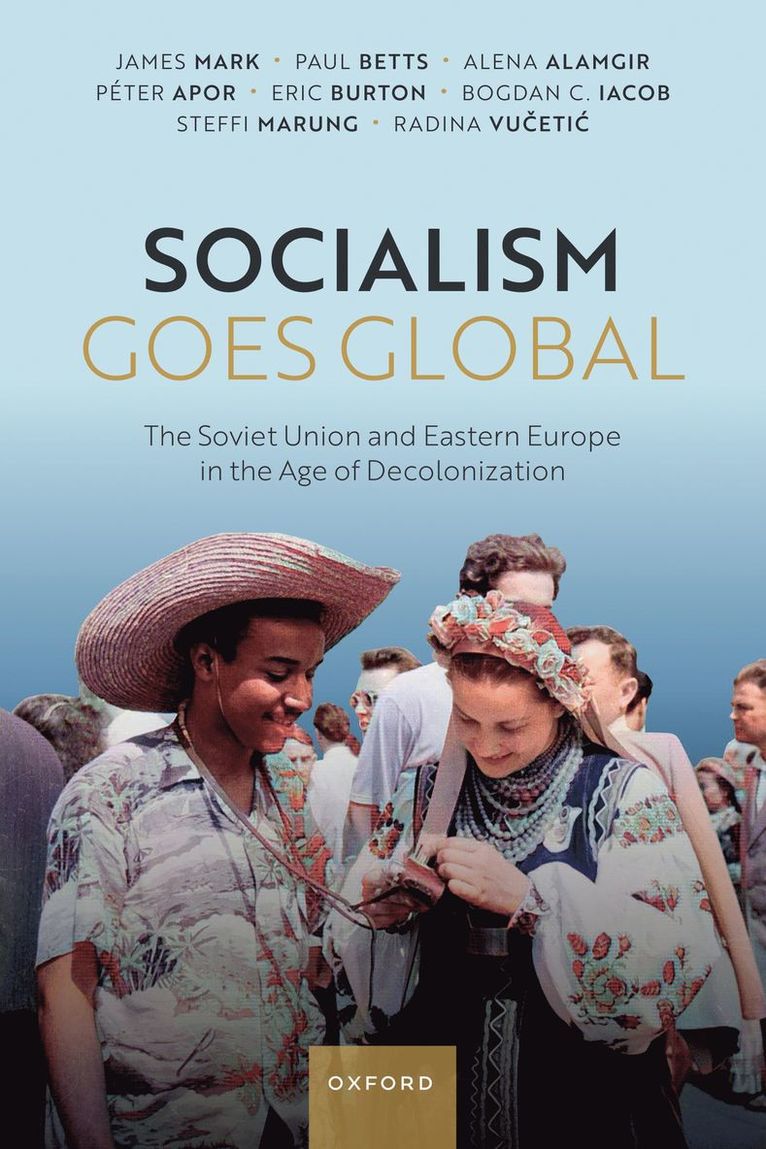
Globalization has become synonymous with the seemingly unfettered spread of capitalist multinationals, but this focus on the West and western economies ignores the wide variety of globalizing projects that sprang up in the socialist world as a consequence of the end of the European empires. This collection is the first to explore alternative forms of globalization across the socialist world during the Cold War. Gathering the work of established and upcoming scholars of the Soviet Union, Eastern Europe, and China, Alternative Globalizations addresses the new relationships and interconnections which emerged between a decolonizing world in the postwar period and an increasingly internationalist eastern bloc after the death of Stalin. In many cases, the legacies of these former globalizing impulses from the socialist world still exist today. Divided into four sections, the works gathered examine the economic, political, developmental, and cultural aspects of this exchange. In doing so, the authors break new ground in exploring this understudied history of globalization and provide a multifaceted study of an increasing postwar interconnectedness across a socialist world.
Produktinformation
- Utgivningsdatum2020-02-11
- Mått152 x 229 x 25 mm
- Vikt689 g
- FormatInbunden
- SpråkEngelska
- SerieIndiana University Press (IPS)
- Antal sidor352
- FörlagIndiana University Press
- ISBN9780253046505
Tillhör följande kategorier
Hoppa över listan








Mer från samma författare
Physical Properties of Polymers
James Mark, Kia Ngai, William Graessley, Leo Mandelkern, Edward Samulski, Jack Koenig, George Wignall
Häftad, 2004
1 709 kr
Del 59
Del 59