
Del i serien Jewish Literature and Culture
Aharon Appelfeld's Fiction
Acknowledging the Holocaust
Inbunden, Engelska, 2005
679 kr
Beställningsvara. Skickas inom 10-15 vardagar. Fri frakt för medlemmar vid köp för minst 249 kr.
How can a fictional text adequately or meaningfully represent the events of the Holocaust? Drawing on philosopher Stanley Cavell's ideas about "acknowledgment" as a respectful attentiveness to the world, Emily Miller Budick develops a penetrating philosophical analysis of major works by internationally prominent Israeli writer Aharon Appelfeld. Through sensitive discussions of the novels Badenheim 1939, The Iron Tracks, The Age of Wonders, and Tzili, and the autobiographical work The Story of My Life, Budick reveals the compelling art with which Appelfeld renders the sights, sensations, and experiences of European Jewish life preceding, during, and after the Second World War. She argues that it is through acknowledging the incompleteness of our knowledge and understanding of the catastrophe that Appelfeld's fiction produces not only its stunning aesthetic power but its affirmation and faith in both the human and the divine. This beautifully written book provides a moving introduction to the work of an important and powerful writer and an enlightening meditation on how fictional texts deepen our understanding of historical events.Jewish Literature and Culture—Alvin H. Rosenfeld, editor
Produktinformation
- Utgivningsdatum2005-01-17
- Mått156 x 235 x 21 mm
- Vikt499 g
- FormatInbunden
- SpråkEngelska
- SerieJewish Literature and Culture
- Antal sidor224
- FörlagIndiana University Press
- ISBN9780253344922
Tillhör följande kategorier
Hoppa över listan
Mer från samma författare
Del 120
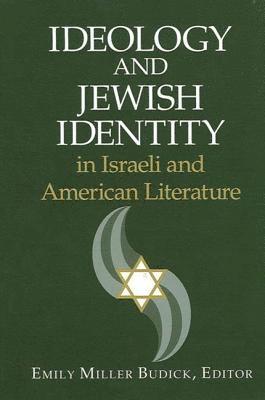
Ideology and Jewish Identity in Israeli and American Literature
Emily Miller Budick
Inbunden, 2001
1 609 kr
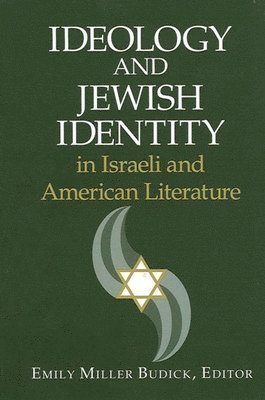
Ideology and Jewish Identity in Israeli and American Literature
Emily Miller Budick
Häftad, 2001
579 kr