
Del i serien Elements of Philosophy
Aesthetics and the Philosophy of Art
An Introduction
Inbunden, Engelska, 2010
2 179 kr
Beställningsvara. Skickas inom 10-15 vardagar. Fri frakt för medlemmar vid köp för minst 249 kr.
Finns i fler format (1)
Praised in its original edition for its up-to-date, rigorous presentation of current debates and for the clarity of its presentation, Robert Stecker's new edition of Aesthetics and the Philosophy of Art preserves the major themes and conclusions of the original, while expanding its content, providing new features, and enhancing accessibility. Stecker introduces students to the history and evolution of aesthetics, and also makes an important distinction between aesthetics and philosophy of art. While aesthetics is the study of value, philosophy of art deals with a much wider array of questions including issues in metaphysics, epistemology, the philosophy of mind, as well value theory. Described as a "remarkably unified introduction to many contemporary debates in aesthetics and the philosophy of art," Stecker specializes in sympathetically laying bear the play of argument that emerges as competing views on a topic engage each other. This book does not simply present a controversy in its current state of play, but instead demonstrates a philosophical mind at work helping to advance the issue toward a solution.
Produktinformation
- Utgivningsdatum2010-02-16
- Mått162 x 241 x 25 mm
- Vikt628 g
- FormatInbunden
- SpråkEngelska
- SerieElements of Philosophy
- Antal sidor328
- Upplaga2
- FörlagBloomsbury Publishing Plc
- ISBN9780742564107
Tillhör följande kategorier
Hoppa över listan





Mer från samma författare
Del 7
Del 67
Companion to Aesthetics
Stephen Davies, Stephen Davies, Kathleen Marie Higgins, Robert Hopkins, Robert Stecker, David E. Cooper
Inbunden, 2009
729 kr
Hoppa över listan







Mer från samma serie
Rowman & Littlefield Handbook for Critical Thinking
Noel Hendrickson, Kirk Amant, William Hawk, William O'Meara, Daniel Flage
Häftad, 2008
479 kr
Hoppa över listan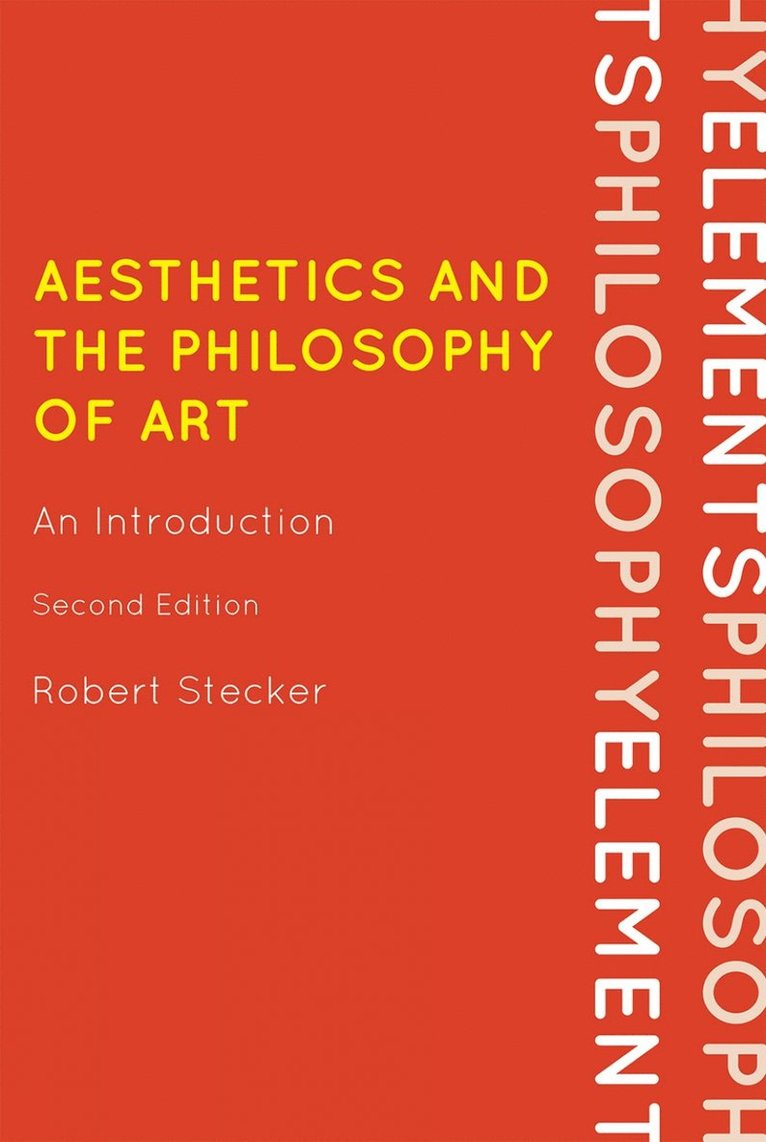
Du kanske också är intresserad av
Del 67
Companion to Aesthetics
Stephen Davies, Stephen Davies, Kathleen Marie Higgins, Robert Hopkins, Robert Stecker, David E. Cooper
Inbunden, 2009
729 kr
Del 7