
Del i serien Transculturalisms, 1400-1700
Writing a New France, 1604-1632
Empire and Early Modern French Identity
Inbunden, Engelska, 2009
4 039 kr
Beställningsvara. Skickas inom 10-15 vardagar. Fri frakt för medlemmar vid köp för minst 249 kr.
The focus of this study is the exciting period of French overseas exploration directly following the stagnation caused by the Wars of Religion. The book examines the early period of French involvement in Northeastern America through readings of key texts, principally travel and missionary accounts. Among the works examined are travel writings by Marc Lescarbot (Histoire de la Nouvelle-France) and Samuel de Champlain (Voyages), and missionary works by Gabriel Sagard (Dictionnaire de la Langue Huronne, Histoire du Canada), Jean de Brébeuf, and Paul le Jeune (early Relations de Jésuites). Through a careful examination of these texts, the author discerns a French "rewriting of the self" in relation to the American other, represented by both land and people. America, Brazeau argues, allowed a consolidation of past markers of identity, and forced a radical rereading of others, due to the difficulties presented by the Canadian wilderness and its natives. Writing a New France, 1604-1632 sheds fresh light on a significant moment in French colonial history while providing an innovative contribution to the understanding of early modern French identity and cultural contact.
Produktinformation
- Utgivningsdatum2009-10-28
- Mått156 x 234 x undefined mm
- Vikt453 g
- FormatInbunden
- SpråkEngelska
- SerieTransculturalisms, 1400-1700
- Antal sidor142
- FörlagTaylor & Francis Ltd
- ISBN9780754661122
Tillhör följande kategorier
Hoppa över listan
Mer från samma serie
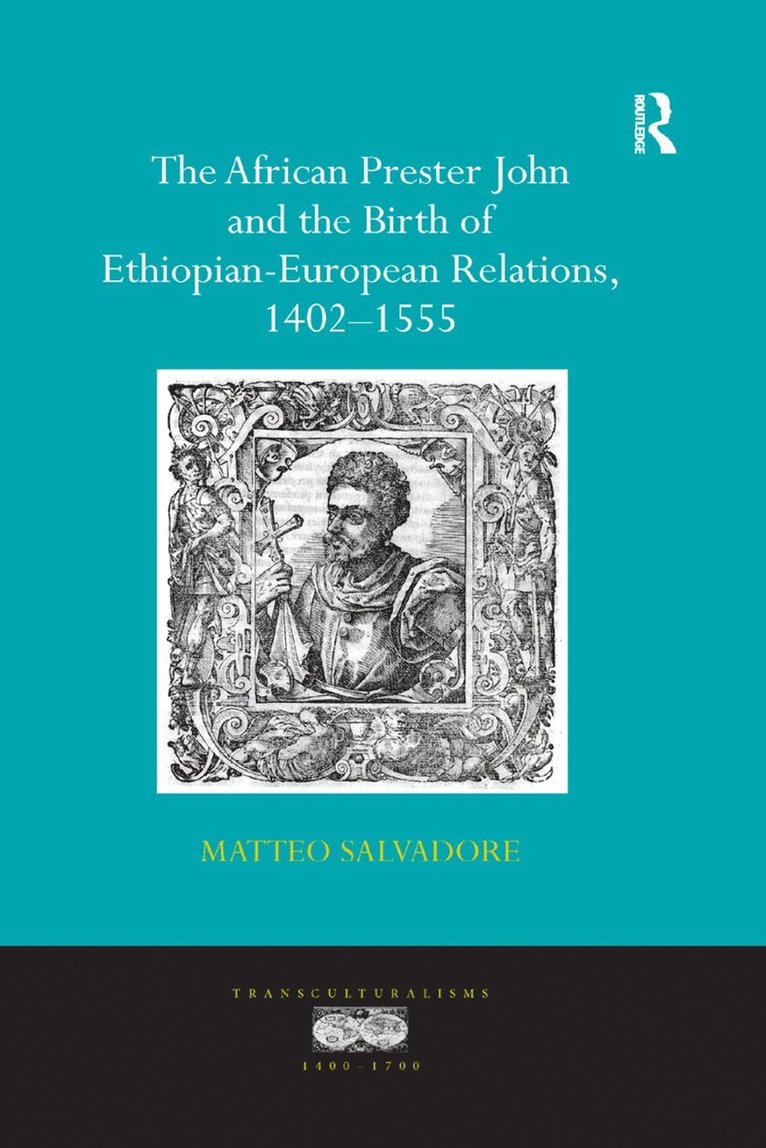
African Prester John and the Birth of Ethiopian-European Relations, 1402-1555
Matteo Salvadore
Häftad, 2019
899 kr
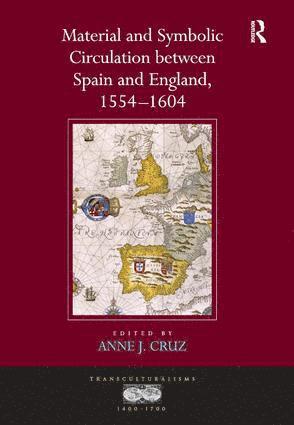
Material and Symbolic Circulation between Spain and England, 1554–1604
Anne J. Cruz
Inbunden, 2008
3 699 kr
Hoppa över listan

Du kanske också är intresserad av
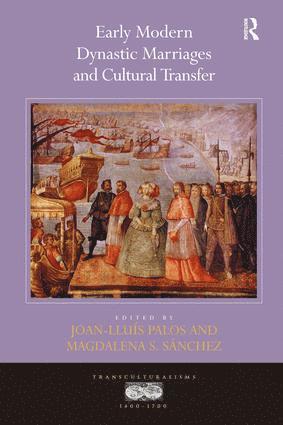
Early Modern Dynastic Marriages and Cultural Transfer
Joan-Lluis Palos, Magdalena S. Sanchez
Inbunden, 2015
3 619 kr
Literatures of Exile in the English Revolution and its Aftermath, 1640-1690
a foreword by Lisa Jardine, Philip Major
Inbunden, 2010
3 699 kr
Early Modern Encounters with the Islamic East
Sabine Schülting, Sabine Lucia Müller, Ralf Hertel
Häftad, 2016
1 359 kr
Seeing Across Cultures in the Early Modern World
Dana Leibsohn, Jeanette Favrot Peterson
Häftad, 2016
1 219 kr
African Prester John and the Birth of Ethiopian-European Relations, 1402-1555
Matteo Salvadore
Häftad, 2019
899 kr