
Del i serien Visions of Politics 3 Volume Hardback Set
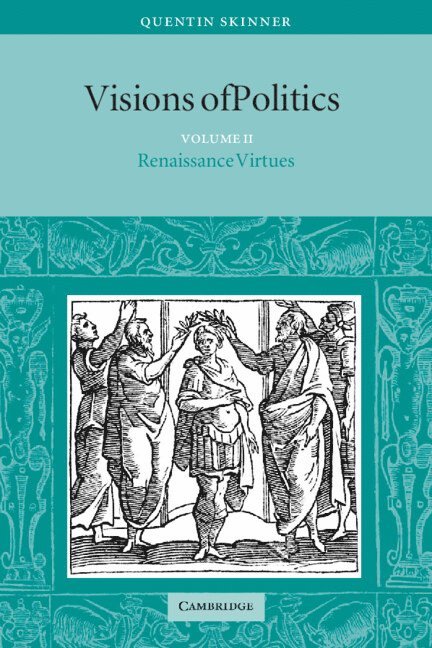
Visions of Politics
Inbunden, Engelska, 2002
1 799 kr
Skickas . Fri frakt för medlemmar vid köp för minst 249 kr.
Finns i fler format (4)
The third of three volumes of essays by Quentin Skinner, one of the world's leading intellectual historians. This collection includes some of his most important essays on Thomas Hobbes, each of which has been carefully revised for publication in this form. In a series of writings spanning the past four decades Professor Skinner examines, with his customary perspicuity, the evolution and character of Hobbes's political thought. An indispensable work in its own right, this volume also serves as a demonstration of those methodological theories propounded in Volume I, and as an appositional commentary on the Renaissance values of civic virtue treated in Volume II. All of Professor Skinner's work is characterised by philosophical power, limpid clarity, and elegance of exposition; these essays, many of which are now recognised classics, provide a fascinating and convenient digest of the development of his thought. Professer Skinner has been awarded the Balzan Prize Life Time Achievement Award for Political Thought, History and Theory. Full details of this award can be found at http://www.balzan.it/News_eng.aspx?ID=2474
Produktinformation
- Utgivningsdatum2002-08-29
- Mått162 x 236 x 32 mm
- Vikt787 g
- FormatInbunden
- SpråkEngelska
- SerieVisions of Politics 3 Volume Hardback Set
- Antal sidor406
- FörlagCambridge University Press
- ISBN9780521813686
- UtmärkelserDavid Easton Award - Foundation of Political Theory Section of the American Political Science Association 2007
Tillhör följande kategorier
Hoppa över listan






Mer från samma författare
Thomas Hobbes: Writings on Common Law and Hereditary Right
Thomas Hobbes, T. Hobbes, Alan Cromartie, Quentin Skinner
Inbunden, 2005
3 869 kr
Thomas Hobbes: Writings on Common Law and Hereditary Right
Alan Cromartie, Quentin Skinner
Häftad, 2008
999 kr
Del 21
Interpretation and Meaning in the Renaissance
Ian Maclean, Quentin Skinner, James Tully
Häftad, 2005
949 kr
Del 63
Del 53
Del 55
The Development of Durkheim's Social Realism
Robert Alun Jones, Quentin Skinner, Lorraine Daston
Häftad, 2005
1 079 kr
Hoppa över listan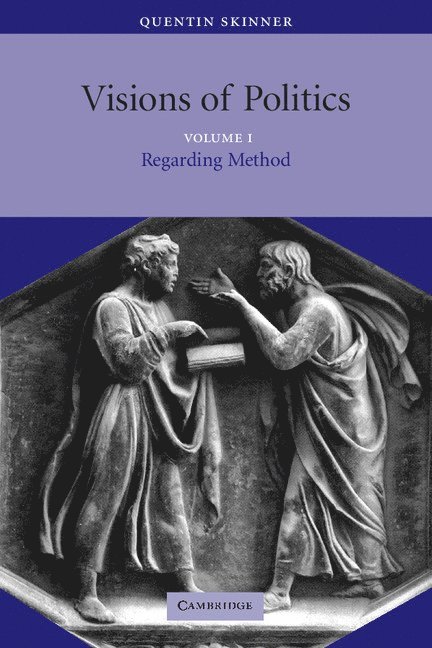








Du kanske också är intresserad av
- Nyhet
Del 3
- Nyhet
Del 11
- Nyhet
Del 1
- Nyhet
Del 4
- Nyhet
Del 4