
Urban Renewal and Resistance
Race, Space, and the City in the Late Twentieth to the Early Twenty-First Century
Häftad, Engelska, 2018
799 kr
Beställningsvara. Skickas inom 10-15 vardagar. Fri frakt för medlemmar vid köp för minst 249 kr.
Finns i fler format (1)
Urban Renewal and Resistance: Race, Space, and the City in the Late Twentieth to Early Twenty-First Century examines how urban spaces are rhetorically constructed through discourses that variously justify or resist processes of urban growth and renewal. This book combines insights from critical geography, urban studies, and communication to explore how urban spaces, like Detroit and Harlem, are rhetorically structured through neoliberal discourses that mask the racialized nature of housing and health in American cities. The analysis focuses on city planning documents, web sites, media accounts, and draws on insights from personal interviews in order to pull together a story of city growth and its consequences, while keeping an eye on the ways city residents continue to confront and resist control over their communities through counter-narratives that challenge geographies of injustice. Recommended for scholars of communication studies, journalism, sociology, geography, and political science.
Produktinformation
- Utgivningsdatum2018-05-17
- Mått152 x 219 x 16 mm
- Vikt318 g
- FormatHäftad
- SpråkEngelska
- Antal sidor202
- FörlagBloomsbury Publishing Plc
- ISBN9780739193839
- UtmärkelserWinner of NCA Diamond Anniversary Book Award 2017
Tillhör följande kategorier
Hoppa över listan
Mer från samma författare
Race and Hegemonic Struggle in the United States
Michael G. Lacy, Mary E. Triece
Inbunden, 2014
2 029 kr
Hoppa över listan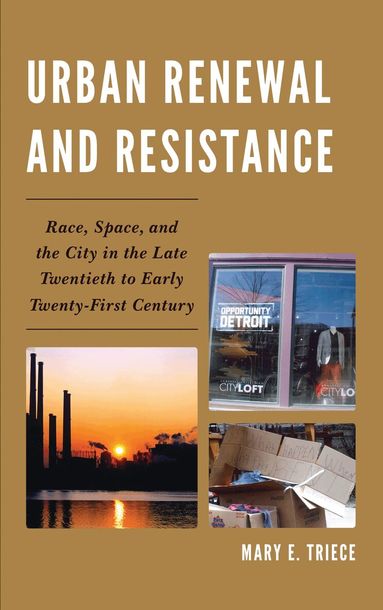
Du kanske också är intresserad av
Race and Hegemonic Struggle in the United States
Michael G. Lacy, Mary E. Triece
Inbunden, 2014
2 029 kr