
- Nyhet
Del i serien South Asian Literature in Focus
Travelling Texts
- Nyhet
Translating Nineteenth-Century European Classics into Indian Languages
Inbunden, Engelska, 2026
3 689 kr
Beställningsvara. Skickas inom 10-15 vardagar. Fri frakt för medlemmar vid köp för minst 249 kr.
The volume examines the colonial ethnography of translating nineteenth century European classics into languages of South Asia through the lens of modernity and knowledge production. It engages with the idea of texts often circulating outside their contexts and thereby provoking debates of purely local and indigenous significance. The chapters in the volume unravel the complex transcultural identities of South Asian existence by inscribing translation studies in the conceptual framework of decolonisation. The volume will be of great interest to scholars and researchers of South Asian studies, literary and cultural studies, postcolonial studies, and translation studies.
Produktinformation
- Utgivningsdatum2026-10-12
- Mått156 x 234 x undefined mm
- Vikt730 g
- FormatInbunden
- SpråkEngelska
- SerieSouth Asian Literature in Focus
- Antal sidor290
- FörlagTaylor & Francis Ltd
- ISBN9781032853017
Tillhör följande kategorier
Hoppa över listan





Mer från samma serie
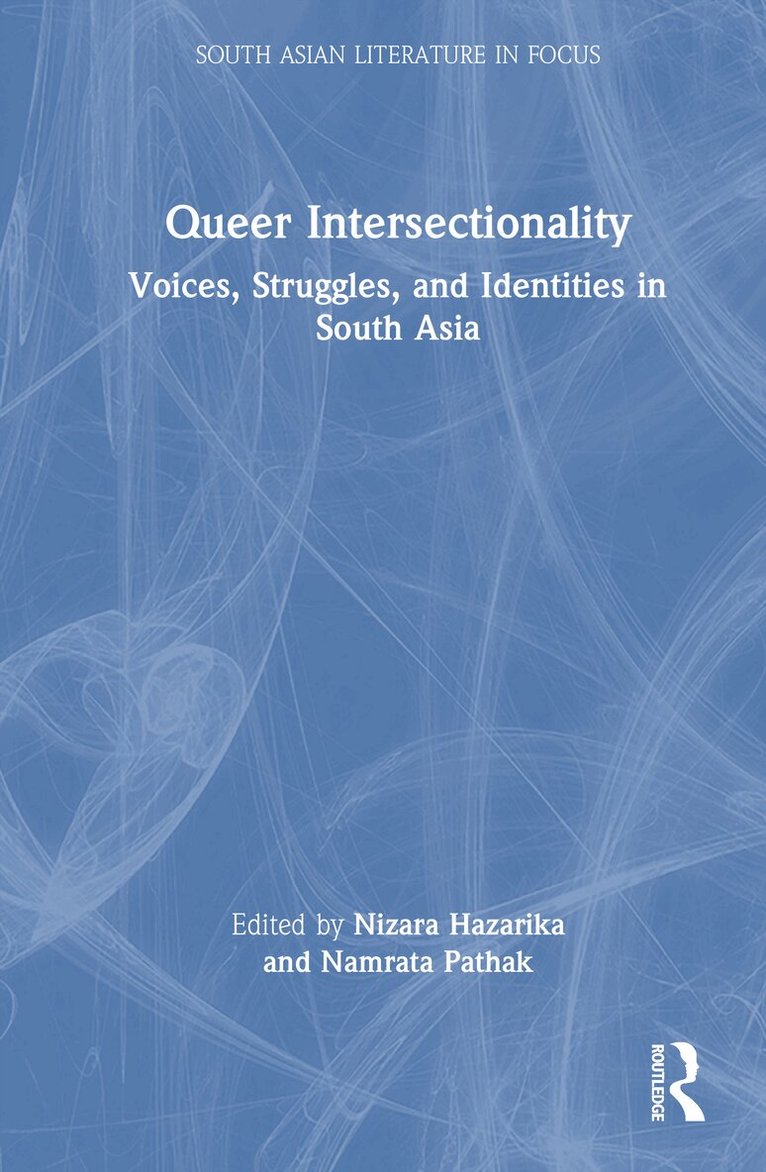
Nation and Nationalism in South Asian Literature
Goutam Karmakar, Nukhbah Taj Langah
Inbunden, 2026
3 689 kr
- Nyhet
- Nyhet
- Nyhet
Hoppa över listan


Du kanske också är intresserad av
Vain Talent? The Question of Female Artistry in the Life and Work of Anne Brontë
Samantha Crain, Francisco José Cortés Vieco, Yagmur Sönmez Demir, Savannah Dockins, K. Subramanyam, Katie Smith, Taten Shirley, Taten Shirley
Inbunden, 2025
1 969 kr
Nation and Nationalism in South Asian Literature
Goutam Karmakar, Nukhbah Taj Langah
Inbunden, 2026
3 689 kr
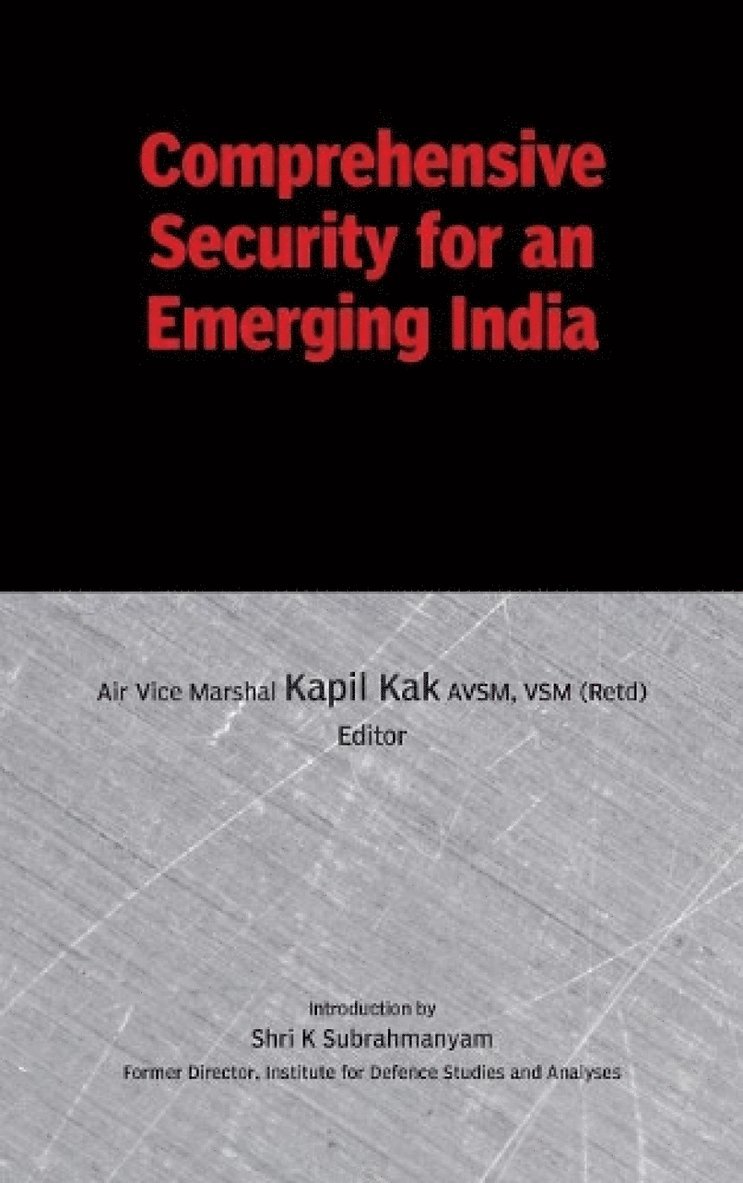
Comprehensive Security for an Emerging India
K. Subramanyam, Kapil Kak, Kapil Kak
Inbunden, 2010
1 109 kr
Vain Talent? The Question of Female Artistry in the Life and Work of Anne Brontë
Samantha Crain, Francisco José Cortés Vieco, Yagmur Sönmez Demir, Savannah Dockins, K. Subramanyam, Katie Smith, Taten Shirley, Taten Shirley
Häftad, 2025
1 289 kr
- Nyhet
Del 3
- Nyhet
- Nyhet